The Most Widely Used Browser in the Dominican Republic
It was nine in the morning, and Martin was about to present his project to the client. Only 30 minutes were left to wrap up the long-awaited project, after six months of hard work. Martin, —cautious above all, brought his own computer to present the site he had developed in the best possible conditions. Unfortunately, the owner of the company…
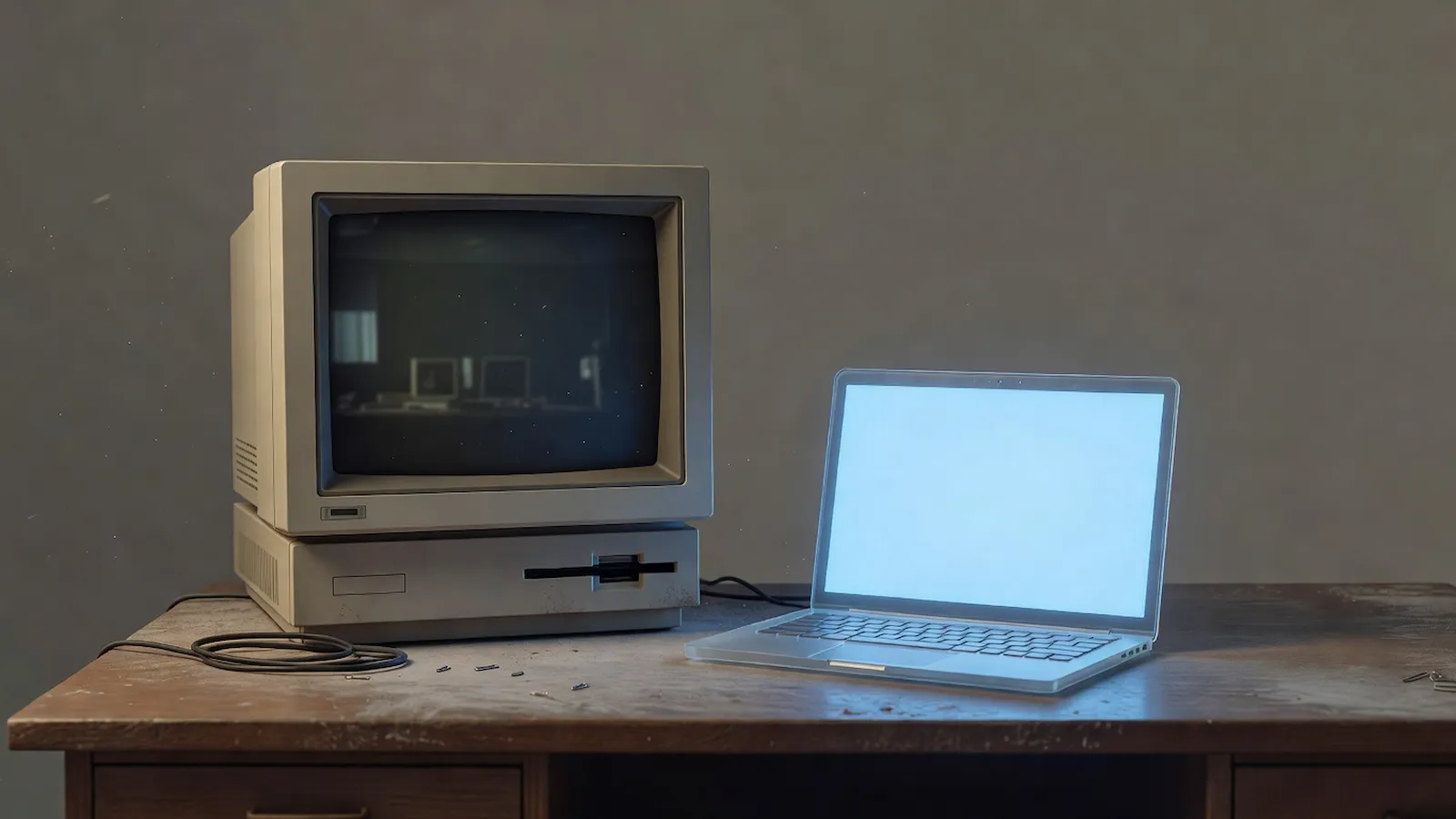
It was nine in the morning, and Martin was about to present his project to the client. Only 30 minutes remained to wrap up the long-awaited project, after six months of hard work.
Martin, —cautious above all, brought his computer to present the site he had developed under the best possible conditions. Unfortunately, the owner of the company that had hired Martin's services wanted to see the long-awaited project on his own PC.
A cold sweat ran down Martin's back. The business owner's PC looked like it hadn't been updated since 2005. Indeed, it had a browser so outdated (for security reasons) that the presentation was doomed to fail.
Two months later, Martin was still busy with browser compatibility problems, because his client refused to accept a window suggesting an update, let alone error messages on his site.
A story lived by many in the digital industry in the Dominican Republic.
The most terrible paradigm
Mastery of a browser technology is «top of mind» for clients. As we saw in the brief story about Martin, each company builds its view of the Internet and its standards according to the technology it handles internally day to day.
The reality —to be frank, is that browsers like IE (Internet Explorer) are already a reference point in our local industry. What is worrying is that even within formal organizations that still use Windows XP and that have a policy of zero browser updates, IE is king.
The most used browser in the Dominican Republic
To avoid passions running high, let's look at which browsers are most used in our country and which is the true king —according to statcounter.com. We take the full year 2012 as our reference.
- Chrome 58.77%
- Firefox 19.62%
- IE 16.4%
- Safari 3.54%
- Opera 1.17%
- Others 0.5%
If we look at the figures, Chrome is the King Browser in our country. To put it in technological terms, browsers based on WebKit (Chrome, Safari) and Gecko (Firefox) — opera will soon use webkit*, represent a 81.93%. This means that the 18% of its users may be using other browsers.
These figures help focus the development of a digital ecosystem with better planning. At the same time, they show that we must consider the impact of the «second screen», such as tablets, iPads and smartphones, which have helped displace Internet Explorer technology.
But we must be careful with perceptions —that help build unshakeable paradigms, since the operating system most used to browse the Internet in the Dominican Republic is Windows, with a 90.52%, distributed among Windows XP (47.97%) and Windows 7 (42.55%) respectively. At the end of the road, what remains is MacOSX (3.83%) —sorry Mac fans, Windows Vista (3.12%) and iOS (0.97%).
This tells us clearly that Windows users are choosing to use other browsers. Here is the distribution of Internet Explorer itself across its known versions:
- IE 8.0 — 7.51%
- IE 9.0 — 6.9%
- IE 7.0 — 1.05%
- IE 6.0 — 0.86%
If we look closely at the numbers, the IE 9.0 remains «the WebKit-compatible browser» still isn't the leader among the versions of this technology; notice that the IE10 doesn't even appear on the list with notable figures.
Let me repeat: for any digital project free of compatibility delays, the browsers 6.0, 7.0 and 8.0 are Zombies that you should eliminate first. Don't let them turn up at the end —like in any bad movie, for no reason at all.
If the world has changed, then promote change
Here are a few tips that may prove useful in this market:
- Help your clients understand how focusing on an older technology can cost them audience.
- Browsehappy.com is your best friend. Set up browser update pages —protect your clients from a bad experience, offer the latest.
- Keep monitoring which versions are most used in your market; this can help you offer better support or detect incompatibilities between versions.
- Show examples of incompatibility; for instance, Facebook tells users of IE6 and IE7 that those browsers are not safe for accessing the social network.
- Internationally, the development industry provides neither services nor support for IE6 and IE7; don't try to be a hero, and avoid selling this kind of compatibility.
We will address other paradigms of the digital industry in future installments.
*= Thanks to @Nehemoth for the clarification. Long live #crowdsourcing.