CES 2015: A glimpse into the digital future
The multimillion-dollar investments of television networks, film studios, video game firms and the web 2.0, and real-time data from “the cloud”, are not just relevant; they are today's decisions.
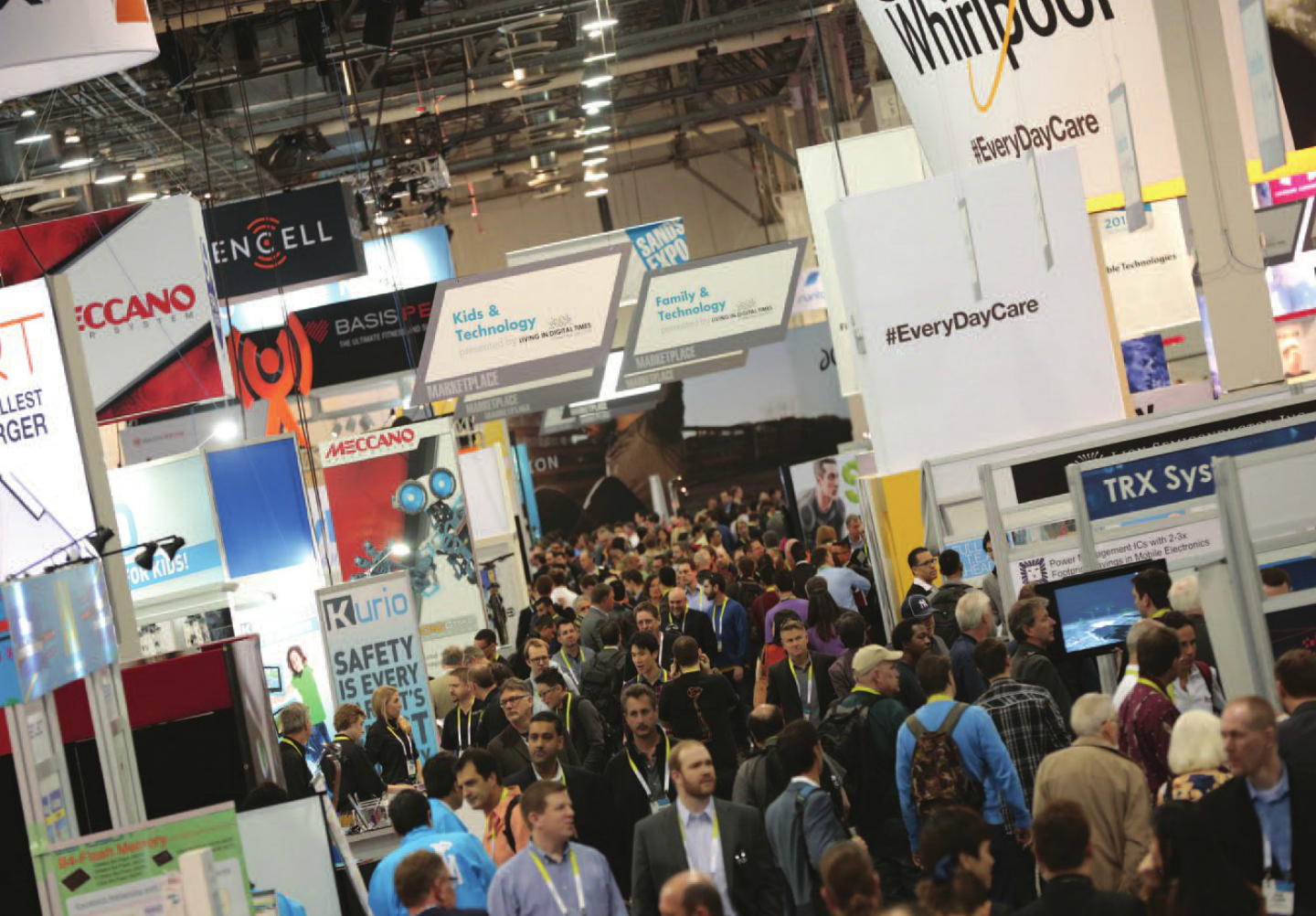
The multimillion-dollar investments by television networks, film studios, video game firms and the web 2.0, and real-time data from “the cloud” are not only relevant; today they are decisions.
It is all a matter of seeing the panorama -The Big Picture, as they would say here in Las Vegas-.
The panels at the International Consumer Electronics Show in Las Vegas, Nevada, spoke clearly about how companies are embracing the Big Data trend, but they pointed out that companies are not taking precautions to avoid unnecessary spending on infrastructure in order to really get to know their customers.
According to analysts, Health Care, Home Appliances and Automotive are this year's growth industries. Connectivity helps consumers receive all the information they need at the right time and place.
Big Data, the center of CES
What we can define as the “social era” has been surpassed, because it helped us understand the true purpose of digital marketing: data. Big Data has driven the model of data processing and analysis to achieve greater effectiveness.
An excellent example is Starbucks, which not only has a social community but also a multi-device relationship with its customers. A very marked trend during the event and the exhibitions is Mass Personalization, where Netflix is one of the examples that comes to the surface: scaling a personalized experience at a low price; this can only be done with technology and data.
To understand Big Data, you need to keep in mind how data is divided:
- Public data, which is available on the internet. Users and organizations legally agreed to share it publicly.
- Proprietary data, which sits inside the organization. It is usually profiled as the CRM.
- Purchased data, lists that third parties can provide. It is usually public data that has previously been processed and classified.
Richard Maraschi, of IBM, reminded attendees during the event that data can help uncover new needs. With this perspective, companies can begin to build better profiles for their product strategies. They can refine market segments and affinity categories to be more effective. It is now possible to focus resources with little risk.
All the variety we have seen at CES 2015 points to connected products in line with the Internet of Things trend, for example: cars that come from the factory with operating systems such as QNX (from Blackberry), Android and Apple CarPlay. Companies now seek to connect every person, business, city and country.
According to the experts, connectivity is people.
Context is the new trend
This brings a revolution for the media: the information they deliver is increasingly contextual. Some messages are more precise than others, but the personalization of news, comments, programming, advertising and e-commerce is the north star of that industry. It is a fascinating mix of analytics, content, media and advertising.
This is where what is called “contextual marketing” occurs, when marketing messages are delivered to the audience on the device, place and moment that are right.
Technology has advanced -thanks to the smartphone revolution-, and it is now possible to detect consumers' position, where they are, in order to offer them relevant information and recommendations, such as alternatives to what they are doing at that moment.
Every piece of content that manages to leave the first screen (television) and runs an interaction strategy on the second (whether as an app, website or social media) has managed to discover, thanks to data, the best way to produce for and monetize its audiences.
A big surprise at CES 2015 is the presentation of NETFLIX as a service within the cable operator DISH. This is an example of how an online service built around Mass Personalization integrates seamlessly into a traditional operator. In short, instead of dying, the traditional industry has used a holistic approach to revitalize its businesses. Another example is how COMCAST is now a “Cloud Computing” company when it was traditionally a “cable company”.
Privacy as a constant concern
The constant concern about privacy came up. It is the critical point for Big Data and the Internet of Things. It is a conversation that has been delayed; industry players and government have to reach an agreement.
Privacy is taken into account when a “connected home” is promoted, but that is an old concept. For CISCO, ORACLE and BOSCH, the future is the “Connected City”, something we will have in Latin America a long time from now.
CES 2015 did not bring relevant changes in technical innovation, but rather a better approach to how technology is used, with a more technical kind of marketing in sight and a dilemma, not yet defined, over the interface users will have to control their privacy.
Large companies are aligning, talking about standards, and so are the worlds of advertising, film and television. What remains is for professionals and everyday citizens to embrace this trend and add more technical training to their résumés, so they can board this train we call the future.
Published in Revista Bohío 184, February 2015.