CES 2015, tomorrow is HERE and NOW
For a week, more than 3,600 exhibitors from the most powerful companies gathered at CES 2015 to present a range of innovations that are shaping and advancing the technologies of the future.
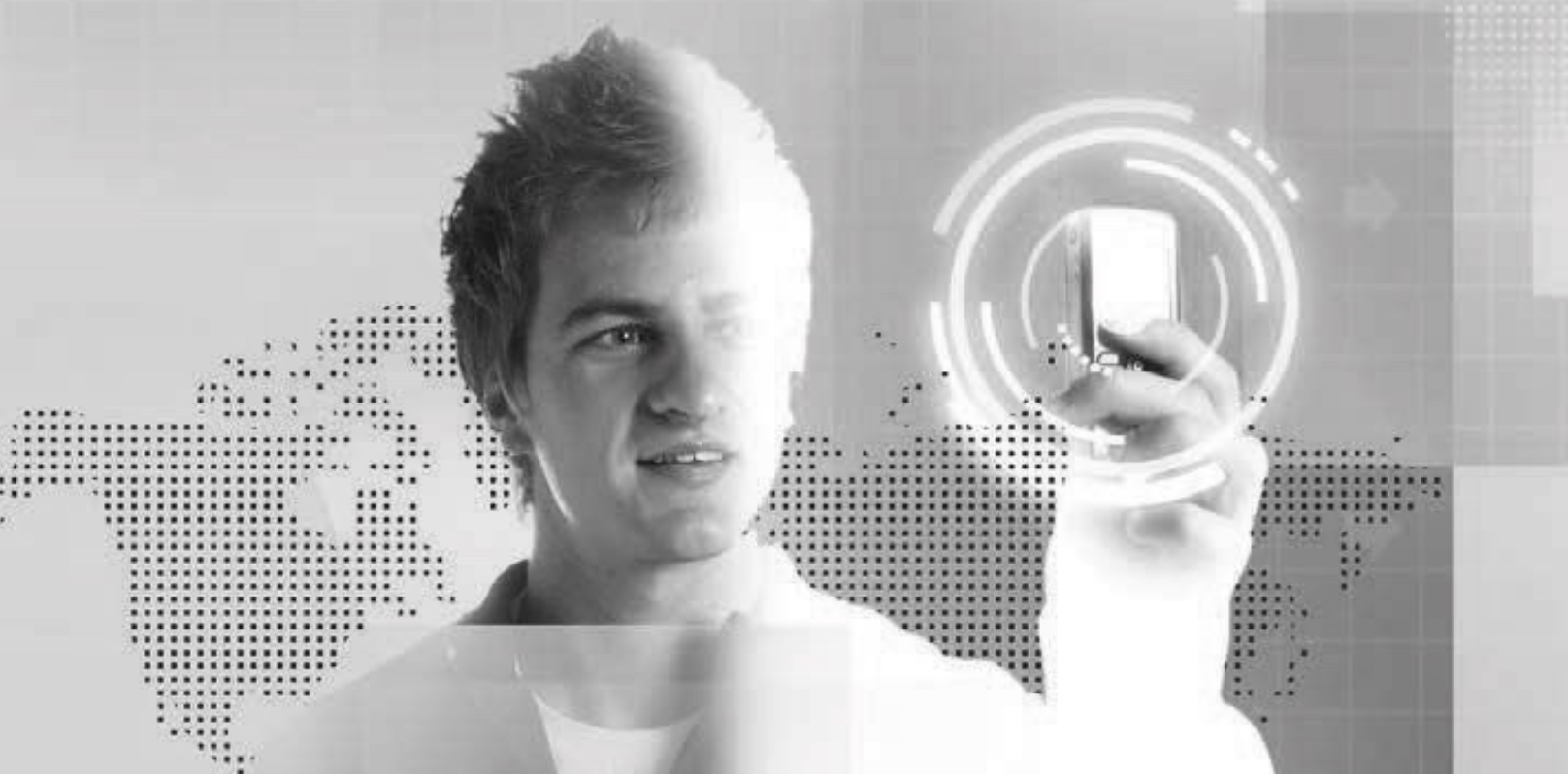
For a week, more than 3,600 exhibitors from the most powerful companies gathered at CES 2015 to present a wide range of innovations that are shaping and advancing the technologies of the future.
An incredible week of spectacular conferences, celebrities and, of course, the latest technology and innovation from around the world: driverless cars, 3D printers, 8K Ultra HDTVs; everything that might look like the technology of the future, CES 2015 has shown is already here with us.
The International Consumer Electronic Show 2015 (CES, as it is commercially abbreviated) took place at the Las Vegas Convention Center in Nevada, United States, with impeccable logistics for hosting more than half a million visitors.
Since last year, CES 2014 started the conversation about three concepts that will be part of our daily lives: the Internet of Things (IoT), wearable computing or “wearables”, and “Big Data”.
The variety of innovations at CES points to connected products driven by the Internet of Things trend, for example cars that already include Android, QNX and Apple CarPlay operating systems.
Interconnected trends at CES 2015: data, wearables and the Internet of Things
Wearables are tied to the Internet of Things because they are a point of connection with the user: devices such as smartwatches that include motion sensors, heart rate monitors and even sleep trackers.
The trend is for these devices to work with any operating system. Research companies such as Intel have worked with innovators around the world to design smart, connected objects that can be universal. The mobile phone has been the catalyst of this change, helping to redefine our world.
Big Data is the most talked about
“Because the goal now is to connect every person, company, city and country; connectivity is people”, said experts from Cisco and Bosch on the Big Data panel at CES. Every device is capturing data and using it to improve the user's life.
With the success of cloud computing (Cloud Computing) for more than six years, the next step is Big Data, which acts as the great consolidator of the data produced by each user across their many devices and objects.
This data is helping to redefine the business world, especially marketing and advertising. Data is helping to create better messages for consumers: delivered at the right place, the right time and on the right device.
This leads us to trends such as Mass Personalization, where Netflix is one of the examples mentioned by experts from Google, McDonald’s and Disney at CES 2015; they managed to scale a personalized experience at a low price, thanks to a model based on technology and data.
Al Ries wrote in the 90 about customer-company integration, arguing that the relationships of large corporations should be one-to-one. Two decades later, technology is making this possible. Current technology is surpassing this basic marketing concept: it is now possible to create personalized experiences thanks to the avalanche of data.
Adversperience, a newly found concept
Under this premise of how data has changed the perspective of marketing, we found several concepts on the panel of authors from the Consumer Electronic Association (CEA) for CES 2015, one of them being Adversperience.
We were able to speak with Nicole Gallucci, president, CEO and founder of BOOM! Marketing, an experiential marketing and engagement agency (engagement between brand and users) in Toronto, Canada, who explained the interesting concept that is part of the book of the same name.
Adversperience is the convergence of advertising and experiential marketing. It is a sense-based relationship driven by the brand to communicate its value proposition and, in the process, lets the consumer create their own story.
Giving control to the user
Consumers are living their lives, creating their own stories to tell and share with their friends. When a brand executes correctly and applies Adversperience, it enriches their lives and gives consumers even more content for their businesses. Done well, it creates brand ambassadors, loyal consumers and media amplification, because consumers share and are the best possible medium for brands thanks to their authenticity.
Adversperience can happen at moments and places where target consu- mers would be interested (in her book she refers to these as passion points). It is most effective when there is an element
of “surprise and delight” that is targeted or is an exclusive event where the consumer is willing to pay money to attend —this being the ultimate goal—. When a brand stages an advers¡perience and the goal generates a sale or payment, it means the brand is truly relevant to the consumer and has provided an incredible experience for them to create their own story and choose to make it part of their own life.
For Nicole, data matters because we can analyze it and learn more about, literally, everything. However, it is called Big Data and not Big Answers (big answers), and for her that is the key. Data is only as important as the answers it provides.
“Because we have the opportunity to collect data for a million questions, the key is to understand what we need to know, which questions must be answered and which problems need solving”, Gallucci points out.
Data, a trend that endures
The industry has fallen in love with collecting information. Data often ends up sitting on a shelf or a server, unused. What matters for business is that it gets used. This leads to a reflection about understanding what we are looking for, why, and how the information will be used, and only then adapting the data we collect accordingly.
Asked about the impact of the Internet of Things (IoT), Nicole agrees that it is without a doubt one of the great inventions of all time, connecting everyone on many unique levels simultaneously. We have gone from a very big world to a very small one, because we can all connect so easily. That said, what can be done today is overwhelming, and so are the doors this has opened. We can manage our homes, our vehicles, so many things with the touch of a key; it is overwhelming. Still, there are two sides: the positive one is that some challenges come with it, and in this case the challenge will be to ensure that we respect privacy, the simplicity of life, “real” life, human connection.
Continuous learning
At CES 2015, we learned that adversperience helps us build an effective marketing strategy, a credible one. Companies must start modeling processes that can help them build a better profile of their customers. Use data to identify them correctly.
With data, today’s marketer can reach multiple screens and multiple devices, in real time. Without data, brands will be out of context as they chase their customers’ attention, lacking a wow factor —that is only possible with it, and risking wasting their budgets on low-return actions—.
Marketing is back in the IT department; don’t be alarmed. Now more than ever, trained human resources and training are needed so that the traditional marketer can include digital marketing as part of their professional mix.
That is the biggest challenge. Tomorrow is here and now.
Published in Forbes Magazine, February 2015.