The Battle in Digital Marketing: Vanity Metrics vs. Actionable Metrics
This week we observed a series of important changes taking place in the digital marketing scene globally.
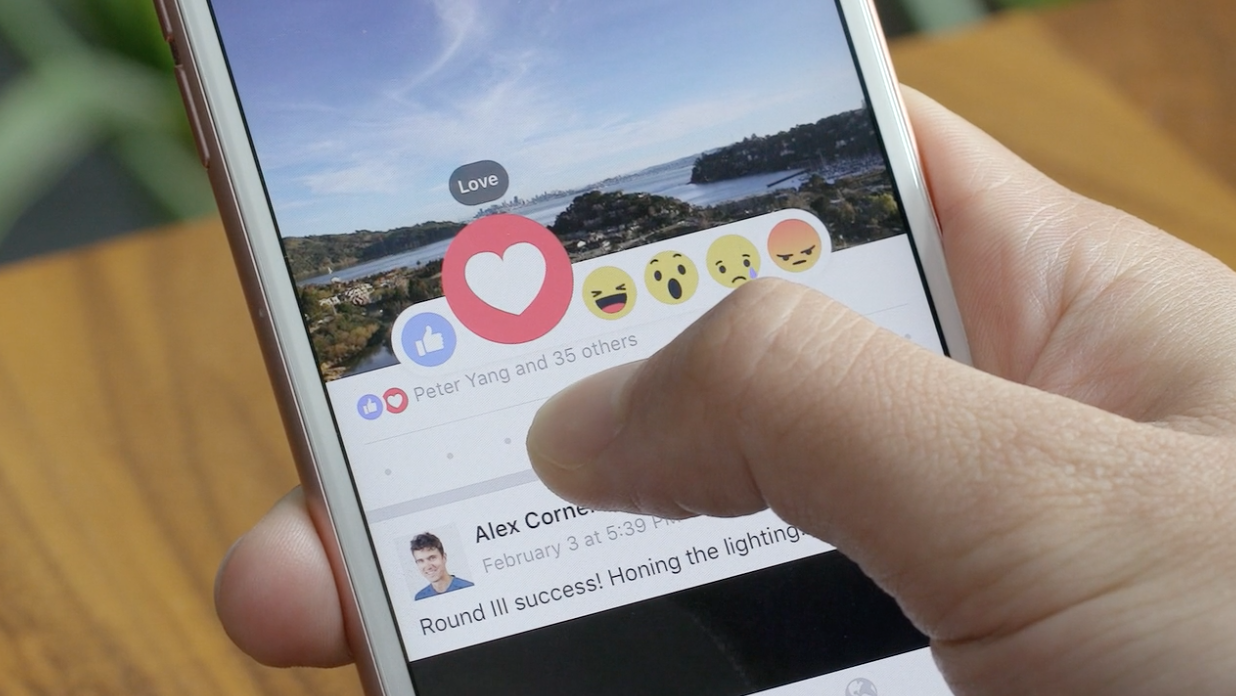
This week we saw a series of important changes taking place in the global digital marketing scene.
Two news items that caught my attention come from social media:
- Facebook proposes reactions instead of a dislike button.
- Twitter removes the share count from its buttons and from its API service.
I find it very interesting that, among digital trend news, the first item spread more widely than the second. It seems that disappointment with Twitter as a platform overshadows its effort to present a better product every day.
What do these changes mean? How can they affect the performance of your digital marketing actions?
These actions are aimed at shifting social media analytics toward an approach based on reactions instead of tracking vanity metrics. These actions will help to better understand user behavior and deepen machine learning through algorithms.
In plain words: There will be more variables for tracking and segmenting potential customers. At the same time, it will boost the impact the newsfeed has on each user, offering more accurate recommendations.
Twitter's shares, on the other hand, were never formally documented, so for this reason —and others they set out on their blog, they will be removed or updated. The move is part of a data consolidation and cost-reduction effort by the company that champions the 140 characters.
For those who are going a bit slower: What are Vanity Metrics?
Known as vanity metrics. These are figures such as registered users, downloads and page views. They are easy to manipulate, and they do not necessarily correlate with the numbers that really matter:
- Active users, Engagement,
- the Cost of acquiring new customers,
- and ultimately revenue and profits (ROI).
This brings us to Actionable Metrics
Which translates as actionable metrics, are those that link specific, repeatable actions to the observed results. They are the opposite of vanity metrics which only serve to document the current state of the product, but offer no insight into how we got here or what to do next.
Actionable metrics are captured continuously and are part of that Big Data that a can builddigital marketing manager in your organization. But don't lose focus: these metrics are for measuring and comparing, something you should do constantly instead of waiting for a third party to hand them to you in print.
Why this change?
Giants like Facebook and Twitter, among others, are aware that digital strategies must lead to results that impact the bottom line of each organization.
Figures from the Vanity Metric —such as likes, shares, among others— never contribute to tangible results. In an artificial world where strategies help providers, they will always work, but the future ahead is one of data management, analysis and processing, where the information that can be obtained from them has to affect the bottom line.
In our country —where trends come and go faster than a radio commercial, it is important to pay attention to the difference between the Vanity Metric and the Actionable Metric, since, according to a market trend that lacks data processing, the Actionable Metric is like a leap into the void. It is time to focus on what truly matters.
«Digital Marketing is the strategic convergence of technologies focused on connecting with audiences that produce data and results for your organization». @alopezvalerio
—
You can listen to my comments on digital marketing and technology every Tuesday starting at 9:20am on Teo Veras' Matutino (on 91.3fm) and every Thursday starting at 1:30pm on Esto No tiene Nombre (on 95.7fm).