Google Ubiquity: beyond the Internet of Things
The Internet of Things event organized by the search giant was held in San Francisco, California, on January 11 and 12, 2016, with the active participation of developers and technologists specializing in the sector. The content of the event was deep and technical, led by Google engineers and leaders of…
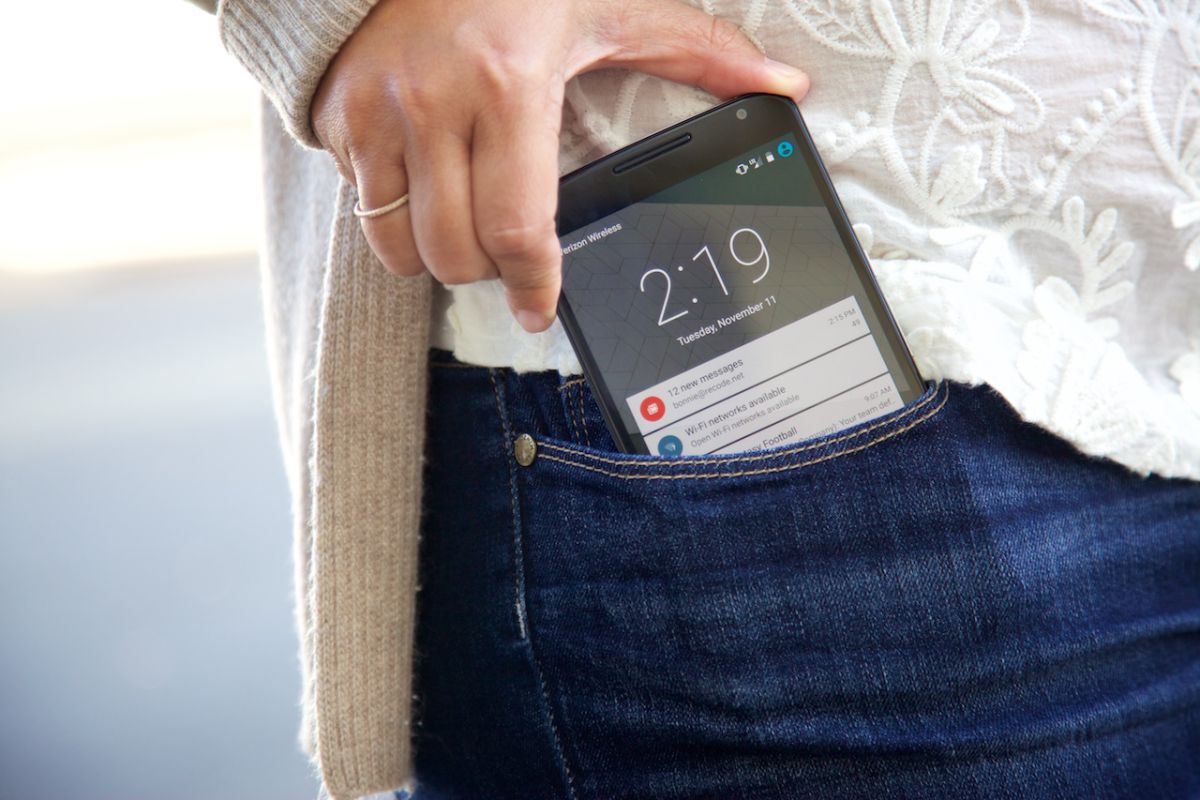
The Internet of Things event organized by the search giant was held in San Francisco, California, on January 11 and 12, 2016, with the active participation of developers and technologists specializing in the sector. The content of the event was deep and technical, led by Google engineers and industry thought leaders.
What is Ubiquity?
Ubiquity (or ubicuidad, in Spanish) is the ability to be everywhere at the same time. Sometimes ubiquity is real (like the ubiquity of sadness at a funeral), and other times it only seems real (the ubiquity of cowboy boots in Texas). God is a great example of ubiquity: for believers, God is an omniscient deity who exists everywhere.
This year Google decided to name its Internet of Things event with the term ubiquity. Remember that the Internet of Things refers to the development of the network of networks in which everyday objects have network connectivity, which allows them to send and receive data. Objects are everywhere: refrigerators, radios, chairs, doors, fans, light bulbs…
Now imagine that all objects are connected to the internet and can use it to send notifications to your mobile phone or to other systems. It is a massive concept, and it is gradually changing the way human beings interact.
The Evolution of the Internet of Things
The Internet of Things, or ubiquity, is part of our present and will evolve to become one of the vital pieces of our future. To understand the phenomenon we must think in terms of 3 important pillars:
1) Interoperability:
Systems cannot be islands; they must communicate with one another. That old monopolistic story, which forced you to buy all your devices from the same brand, is coming to an end. Interoperability is mandatory in the Internet of Things. While you are at home, in the office, or in the shopping mall, multiple connected devices will be in contact with you; each one must be able to respond instantly, and they must not have compatibility problems.
2) Security:
This pillar is the one that stirs the strongest passions. Security is therefore an aspect that is defined by default (there is no time to wonder whether the device is secure or not; it must be secure). Every activity on the devices must have the user's approval; that way you will earn the user's trust.
Another important layer is giving users control over their security and their identity. It is the only way you can obtain their active participation. You must always ask the user each time any information is going to be shared on the Internet. Remember that security is built on trust.
3) User Interface:
For many, this point concerns the interaction of human beings with the interface of applications; it is essential that it be interoperable and open, that is, that it can offer the user multiple ways of interacting, such as voice, gestures, buttons, among others. Today many people only know interaction with an application through a desktop mouse, while others interact by pressing options on the screen of their mobile phone, tablet or an ATM.
The simplest interface: voice.
The reality is that the reach of the Internet of Things will lead us, more each day, toward natural interaction with devices and computers: using voice. It is the primary interface we learn and have used since we first became conscious.
Google is working —like other technology companies at the moment— on bringing natural interaction to kitchens, your car, watch, clothing and, of course, your smartphone. This year 10 vehicles that reached the market incorporate Android Auto computing; 40 more will be launched before 2016 ends, with more than 500 applications available to interact with.
That future shown in television programs, where conversation between a human being and a computer was a natural thing, is no longer fantasy. We are witnessing a technology that will make things easier. It is time to think and pack your bags to make the most of this trip; try not to be left behind.
Published in Revista Bohío #190, pages 86,87 and 88, February-March 2016.
You can hear my comments on digital marketing and technology every Tuesday starting at 9:20am on Matutino de Teo Veras (on 91.3fm) and every Thursday starting at 1:30pm on Esto No tiene Nombre (on 95.7fm).