The Internet of Things: an ally of tourism
We are witnessing a remarkable era: constant innovation driven by the Internet of Things is changing, by the second, how the tourism industry sells its products and, at the same time, how tourists experience the package they have bought.
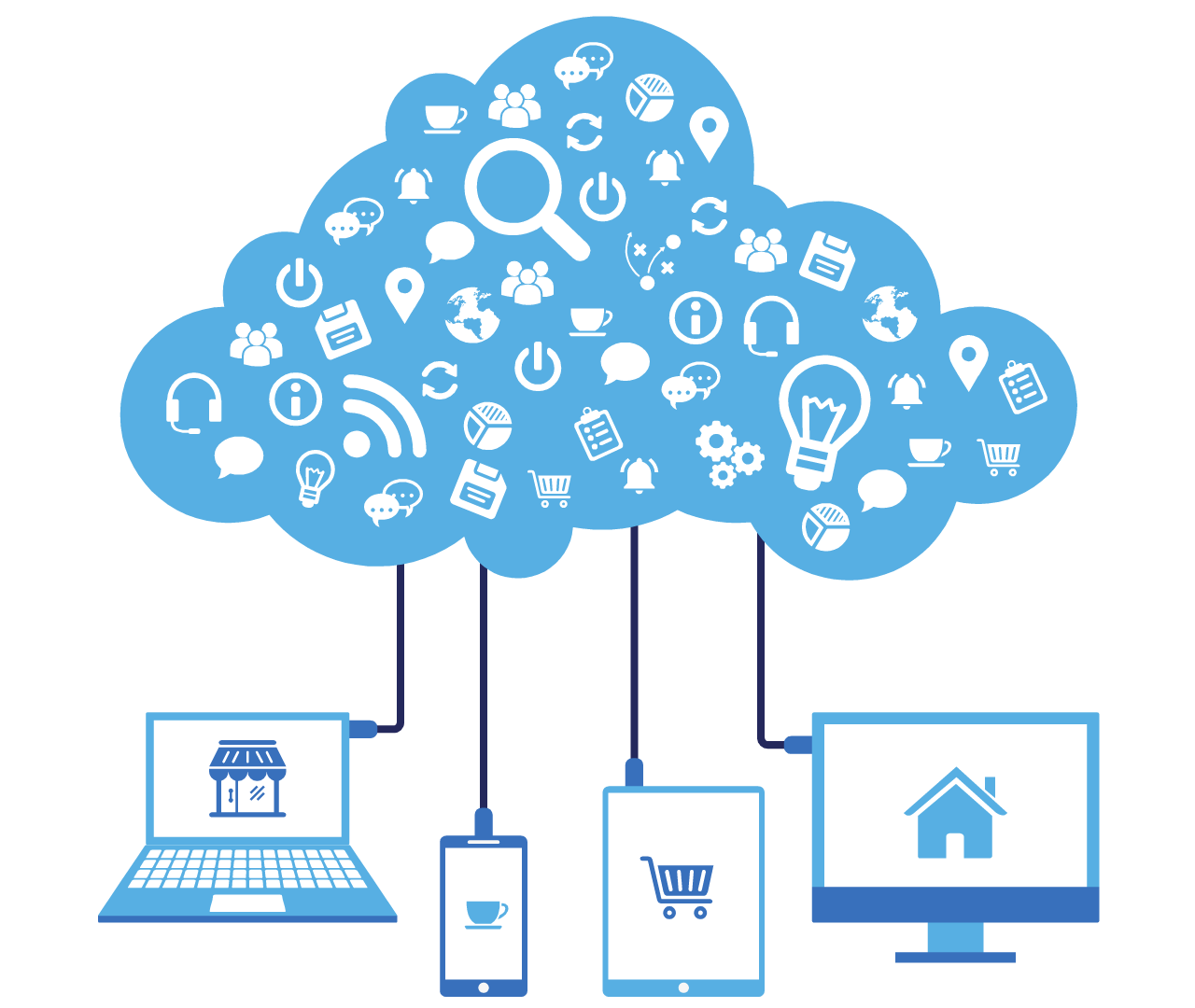
We are witnessing a remarkable era: constant innovation driven by the Internet of Things is changing, by the second, how the tourism industry sells its product and, at the same time, how tourists experience the package they have bought.
Today's human beings have brought mobile connectivity to almost any place in the world; thanks to GPS technology, a device can be located anywhere on the face of the Earth. Yet the reality is that people spend most of their time inside a house or a building.
According to the New York firm CASE, the average American spends 90% of their time inside buildings. Indoor spaces often block cell signals and make it almost impossible to locate mobile devices through GPS.
The hotel industry follows a similar pattern. Tourists spend part of their time inside buildings designed for lodging. Providing an internet connection through Wi-Fi is not enough; what is needed is a connected experience.
Beacons: a fundamental part of the Internet of Things
This is what “beacons” are for: a solution designed to define the world around apps and devices so that they work more intelligently and can provide timely, contextual information.
This new technology enables contextual experiences for its users through interactions using Bluetooth Low Energy (BLE). Beacons are simple, lightweight devices that send one-way BLE signals at predefined intervals. These signals can be read by any Bluetooth-compatible device nearby.
“Beacons” run on a battery that can last more than a year —up to three years in some cases—. Battery life depends on how often the beacon transmits its message and on the power level of the transmissions.
This allows engineering teams to place the devices during construction, or to plan the experience from the blueprints. Their portability allows almost immediate installation in existing structures.
One good feature of “beacons” is that they can use an external power source; for example, they can be built into a larger device, such as a television or a vehicle. Their versatility allows them to be placed in fixed locations such as airports, museums and bus stops, and also on moving objects, including bicycles and taxis.
The potential is tremendous, because this technology is the forerunner of smart cities: a city that processes the activities of its citizens or visitors (tourists, in this case) so that it can adapt and become more efficient. I can just imagine this in Punta Cana!
Internet of Things: a revolution in the physical world
The number of smart devices connected to the internet keeps growing. According to Statista, mobile internet penetration among the world's population will rise from 53% in 2016 to 64% in 2019.
The assumption that every new device (such as “beacons”) requires its own native app is not realistic. Think about it: any place or object near you can offer a web page that gives you help, information or settings in the right context.
The physical web concept rests on the idea that any smart device can have a web address accessible from your phone's browser. This does not mean native apps will disappear: it is about enabling interaction where native apps are simply not practical.
This approach covers cases in which developing an app to download from a store would not be practical. For example:
- A cat collar that lets you place a call to find the owner.
- A bus can announce its next stop.
- A parking meter can take payments through your phone.
- Any shop, no matter how small, can offer an online experience when you walk in.
- A product in a shop can show you its specifications.
If we picture each of these examples with the requirement that interaction starts by downloading an app from a store, the cat would stay lost for a long time.
The physical web can save users time by simplifying communication and delivering simple, direct calls to action (call to action) to their phones. Taken together, they form a “long tail” in which every object can offer useful, direct information.
In plain English: we help the tourist.
If you own a hotel, keep in mind that the only bridge between the digital world and your business in the coming years will be “beacons”, especially in a country where the physical location matters more than a digital strategy. This is a great opportunity for your business to move 15 or 20 years ahead in a single leap.
The national tourism industry has been the most pioneering, adding tools such as e-commerce before the turn of the millennium. I have no doubt that the hotel leadership will once again show its capacity for innovation by incorporating the Internet of Things.
Published in the Revista Bohío 192, July 2016.