Cabify, a new player arrives in the country
Cabify arrives in the Dominican Republic. In the beginning, the Internet had its genesis as a tool for exchanging information, and in its earliest days it served only a select group of scientific and military communities. Over time it became the World Wide Web, including the power of networks…
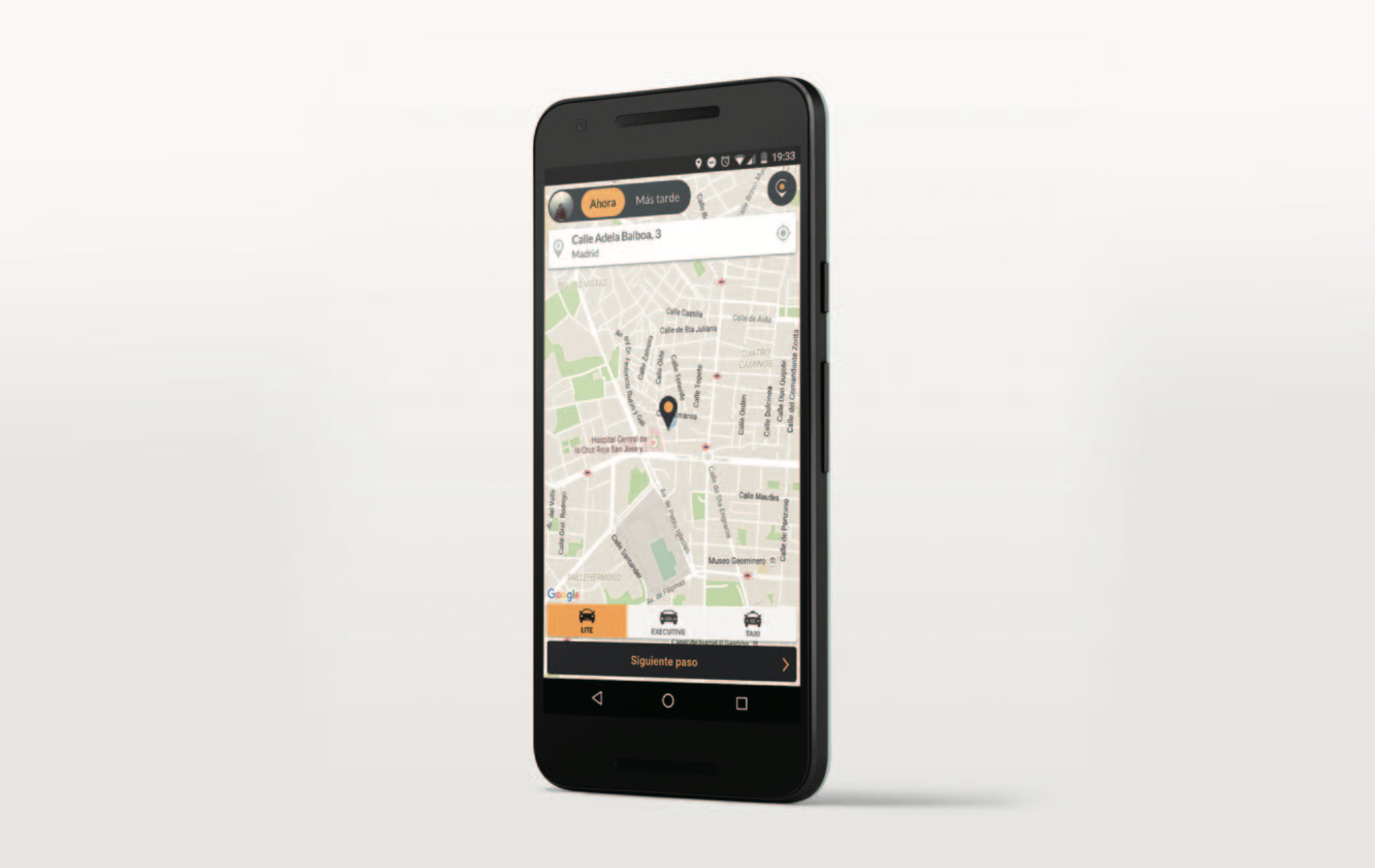
Cabify arrives in the Dominican Republic. In the beginning, the Internet had its genesis as a tool for exchanging information, and in its earliest days it served only a select group of scientific and military communities. Over time it became the World Wide Web, including the power of peer-to-peer networks (P2P).
Today we don't just share information; we can share practically everything, such as a ride across the city, or across the whole continent.
Travelers share their homes, investors share their ideas, and anyone with high-value assets or skills can offer goods and services, for a price, to a global market, as part of the Sharing Economy (known in Spanish as economía or consumo colaborativo).
From mobility (Uber, Lyft, Blablacar, Didi Kuaidi), food, education, household services (TaskRabbit, Care.com), or offices, retail (venta al detalle), ideas and above all tourism (Airbnb, Kozaza, Couchsur ng), this new way of doing business generated revenues in the United States of 15.000 million dollars in 2013 and is projected to reach, by 2025, a total of 385.000 million dollars, according to the firm PwC, which forecasts 35% annual growth for the industry.
Cabify, transportation managed from an app
At the beginning of the year, the news in the Dominican Republic was the arrival of one of the Sharing Economy players, the controversial Uber. Amid speeches, debates, protests and points of view, we Dominicans adapted to this new global trend as if it had existed since the start of the millennium. Now it is Cabify's turn, a Spanish company founded in 2011 with the mission of using technology to create new, safe and efficient mobility alternatives to replace private cars. Apple selected the app as one of the best of 2012 in the Innovation category.
Cabify operates in Spain, Peru, Chile, Mexico, Colombia, Portugal, Panama, Ecuador, Brazil, Argentina and, most recently, the Dominican Republic. It plans to expand its presence in several countries of Latin America and the Caribbean. The company began providing service in Santo Domingo in the first week of October. Among the novelties it introduces to the market is the inclusion of WiFi in its vehicle fleet, which lets users make better use of their travel time by staying connected from the vehicle. In the local industry, this is something the driver offers optionally, to give customers better service.
Another differentiating factor of the service is its fixed rates per kilometer (not per time as with Uber), the possibility of booking in advance, a call center available 24 hours a day, and liability insurance for its users.
“We believe the Dominican Republic has the right conditions to be a strategic market for Cabify in the short term, since it has high economic potential and areas of opportunity in mobility”, says Ricardo Weder, general manager of Cabify Latin America.
The battle for the Dominican consumer
A battle for positioning across the national territory now begins. Cabify will seek its share of the mobility pie. It has an advantage from its origins in understanding Dominicans' needs better, in order to move from the global to the local. It is a good moment for Dominican consumers: there are now transportation options managed from an app for you to choose from: Uber, Apolo
and Cabify. If you want to try Cabify, you can download the app, available on Google Play and the Apple Store, or simply visit Cabify.com.
The Sharing Economy in transportation can help change mindsets so that Dominican citizens and businesses use vehicles less, which contributes to reducing traffic congestion and improving our quality of life. That change is up to us; we already have the tools and the services. Go ahead.
Published in Revista Bohío 194, October 2016.