Tokyo Trial and a truth about geopolitics
Tokyo Trial is a historical drama centered on a decade of investigation into the events in the Pacific during and after the Second World War.
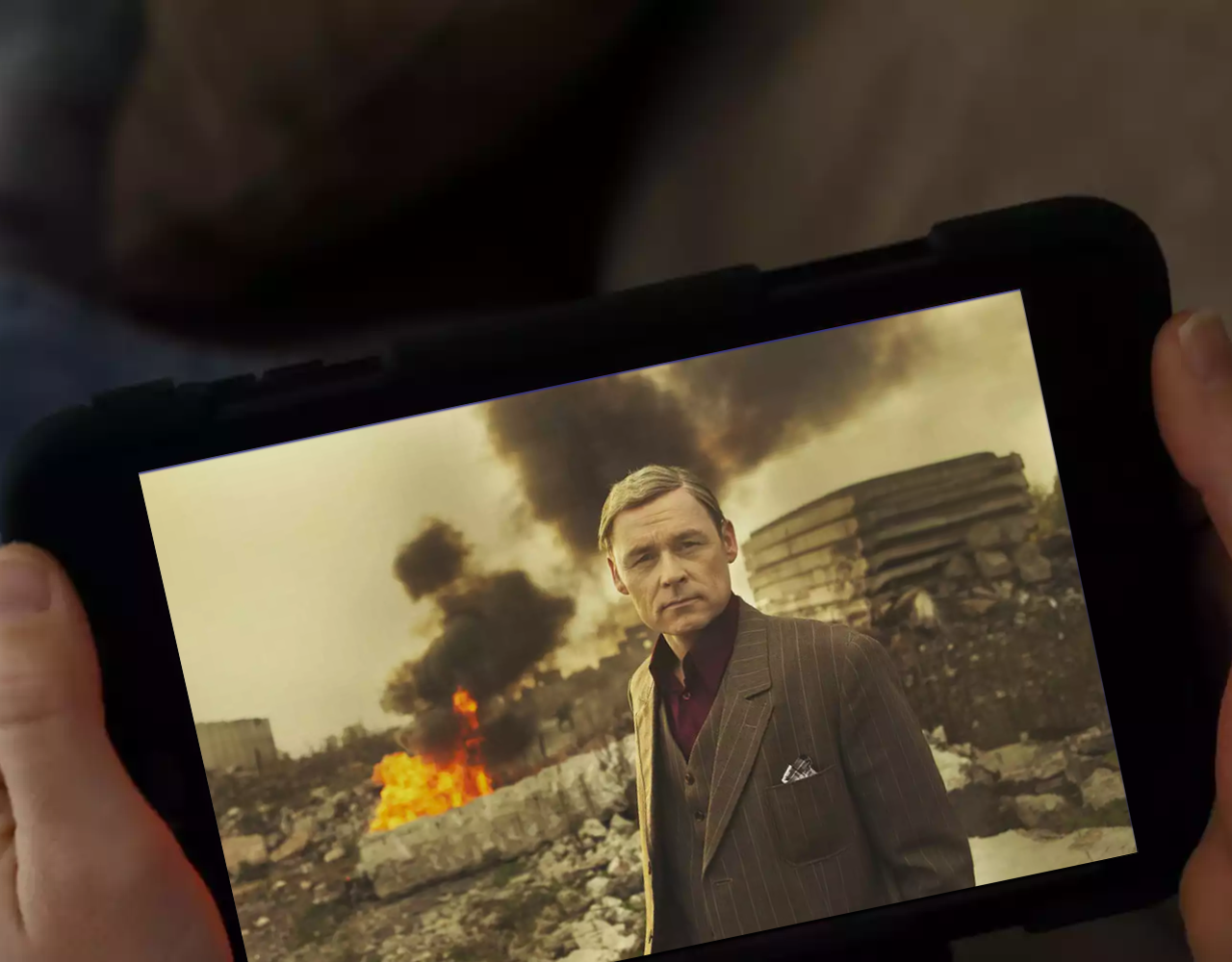
Tokyo Trial is a historical drama centered on a decade of investigation into the events in the Pacific during and after the Second World War.
It reaches us through an agreement between Netflix and the Japanese public broadcaster NHK, which partnered to make a four-part historical drama.
NHK aired Tokyo Trial on its local channel, while Netflix will stream it abroad —as Variety magazine reported in November 2016.
The agreement states that, after the Japanese service NHD On-Demand has streamed the series for a period, Netflix will also offer it to users in Japan.
Both companies contributed to the production costs, with NHK concluding co-production agreements with the production company Don Carmody Television and the Amsterdam-based production company FATT, with offices in Los Angeles and Toronto.
Pieter Verhoeff and Rob King are the co-directors of the drama, which has reached 8.2 stars on IMDB.
Tokyo Trial criticizes geopolitics
In the second episode, Judge Radhabinod Pal (who represents India, played by veteran actor Irrfan Khan) raises the reality of the Japanese occupation of Asia: an expression of liberation against colonialism.
The crimes committed by the Japanese during the Second World War are compared with the atrocities committed by England, Holland, the United States and other nations during colonization in the 19th century.
While those nations shaped international politics for years —by colonizing different nations, he points out that the slogan «Asia for the Asians» was in poor taste for the colonialists.
Let us remember that Pal witnessed India's independence process, which was unfolding in parallel with the trial. The judge was firm about how convenient the case against Japan was.
In the end, geopolitics is convenience
According to the —brief— definition of the RAE, it is the study of the geographic conditioning of politics. In the end they are conditions, agreements or impositions. The new world after the First World War.
The atrocities committed in the Pacific War are not justifiable, but from the standpoint of international law, they were not covered by earlier agreements either, such as the Briand-Kellogg Pact signed in Paris in 1928.
An interesting reflection was offered by Judge B. V. A. Röling (played by Marcel Hensema): in a local jurisdiction, no crime without an existing law can be punished.
This sparked a great debate, questioning the purpose of the trial: justice or revenge. Even so, the Tokyo trial followed the model used at Nuremberg.
War crimes have been examined by the Hague Tribunal since 2002; this film shows us how humanity was taking its first, tentative steps toward preserving peace.
If the topic catches your attention, here is the trailer: