eCommerce and control of the value chain
Much has been debated in the Dominican Republic over the past 20 years about eCommerce and the establishment of an efficient value chain.
Much has been debated over the last 20 years in the Dominican Republic about eCommerce and the establishment of an efficient value chain.
A decade has gone by and our debate continues to revolve around consumer trust, the security problems between payment processors and merchants, and even the constant criticism of the incipient local distribution model.
The reality is that the world has changed enough to move past those debates. It is now much easier to achieve local distribution —whether of a physical or an electronic good, than it was 5 years ago.
The value chain game includes a variable that used to be less critical: the audience.
With the spread of mobile devices, the growing ubiquity of smartphones and the connection that social networks have built with the consumer, it is clear that the audience is the cross-cutting axis for achieving transactionality.
Transformation as part of the value chain
The preferred example —because it is perhaps the future, is the growth of Amazon from an online book distributor into a global e-commerce giant that offers everything.
The logistics behind its operations have become a real challenge.
To handle the ever-growing volume of shipments and add new services such as Prime Now and Amazon Fresh, the company is constantly expanding its logistics network, both in the United States and internationally.
In 2016 alone, Amazon opened 26 new facilities in the United States and shows no signs of slowing down in early 2017.
In January, the company announced plans to open new facilities in Maryland, Texas, Florida and Colorado, with more to come.
By the summer of 2018, Amazon plans to create 100,000 additional jobs in the United States —more jobs in proportion to robots, most of them in logistics.
The chart below, based on data compiled by the logistics consultancy MWPVL, illustrates Amazon's footprint across the country.
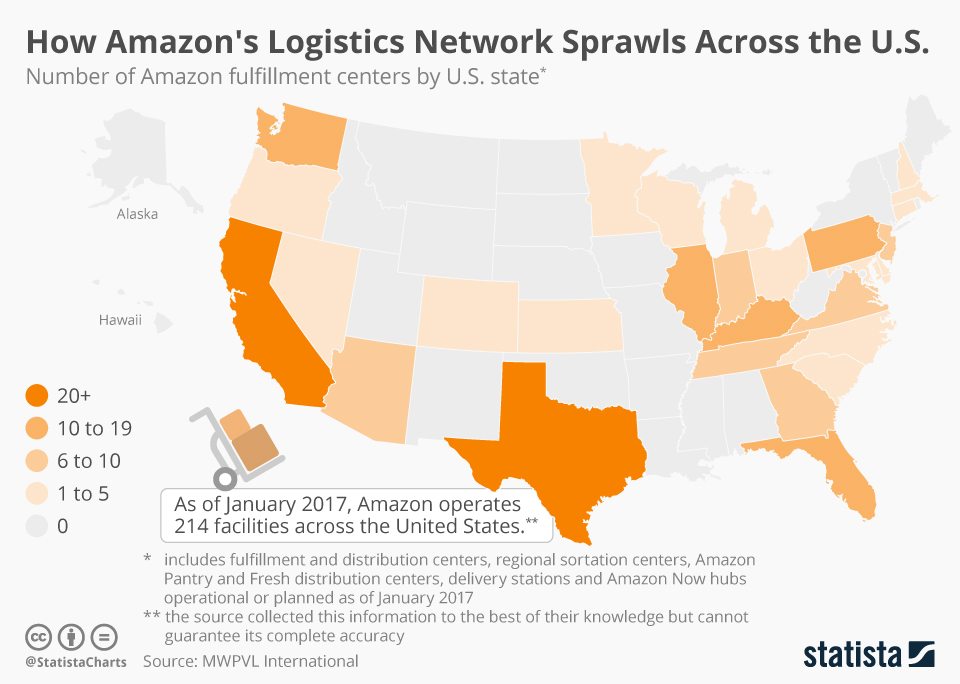
With more than 20 centers, the company's presence is particularly strong in California and Texas, followed by Illinois, Pennsylvania, Florida, Kentucky and Washington (its home state), which also hosts more than 10 of Amazon's logistics facilities.
We are talking about 214 centers in the United States, 137 internationally, for a total of 361 centers globally. Whoa!
They tell me: we have logistics here
Yes, that's true —when «here» I mean the Dominican Republic, but the value chain is totally different in 2017. Note that Amazon is strengthening the areas where there are more buyers.
The idea is not to fill the map, but to know where the consumers are.

One example is the technology strategy of the e-commerce giant. Practically all of its devices are a point of capture for sales, service and satisfaction.
All of them generate data, and in the case of the Amazon Dash, they are sponsored by brands desperate to mark their territory in American homes.
Each Dash is a potential repurchase and, at the same time, a guarantee of satisfaction for the consumer. Amazon will see to it that the favorite product arrives in as little as from 2 hours.
The model's predecessor was the Kindle, which distributed e-books. Then we moved through the Fire devices, up to the Amazon Echo, the most advanced shopping assistant.
Control from ‘A’ to ‘Z’
If we look again at the map of the distribution centers, it clearly shows that Amazon is focused on controlling the value chain, so it can control its customers' satisfaction.
Last year the same company launched its logistics division —Amazon Logistics, in response to the possible Uberization of distribution. It created a model that employs thousands of individual contractors who power services such as Amazon Prime Now.
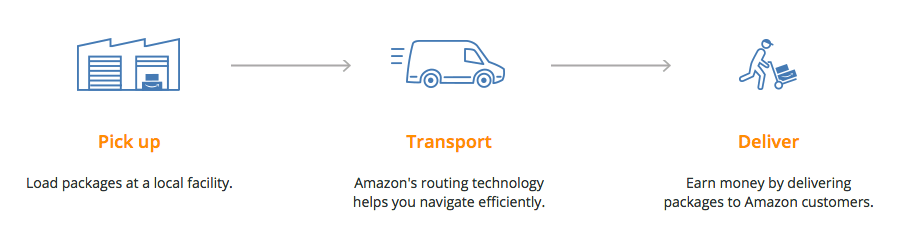
With this move they also secured delivery and eliminated satisfaction problems in key seasons such as Mother's Day and Christmas —which gave rise to models like Cloud Computing, pushing traditional logistics companies such as FEDEX and UPS out of the game.
The sky, the final frontier
As if what has been described were not enough, it is worth highlighting the aforementioned drones, which already have their own brand, called Amazon Air.
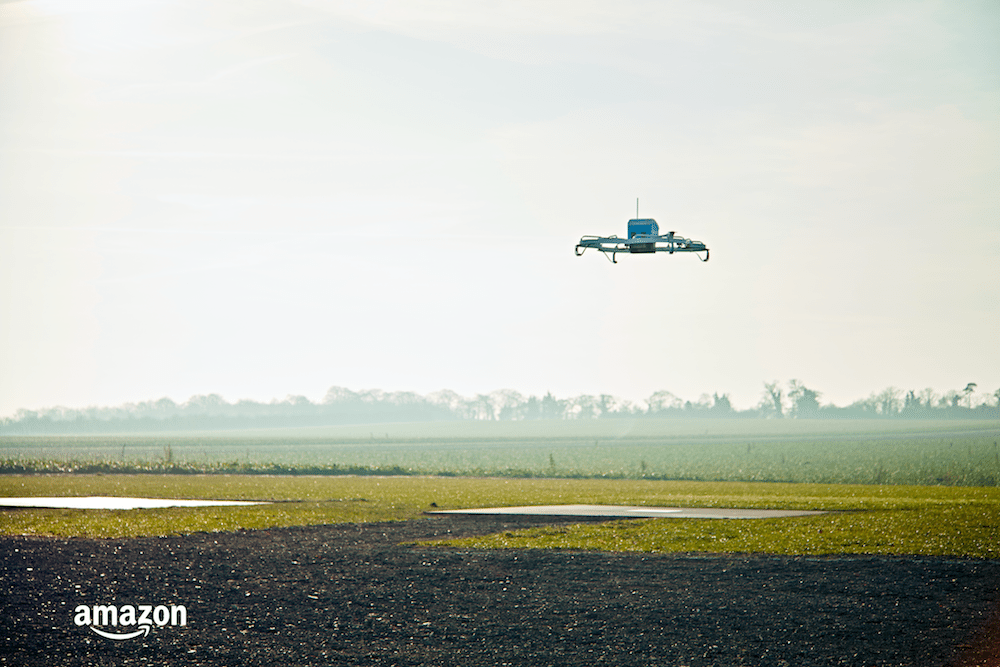
The promise of this new form of distribution is delivery in 30 minutes, making the customer part of the logistics, since they have to place their marker or signal of Amazon Air —in their yard so the drone can land.
Another reality is that, to meet the volume of Amazon Prime customers, since last August the company has added to the program Amazon Air, its first plane, which they named Amazon One.
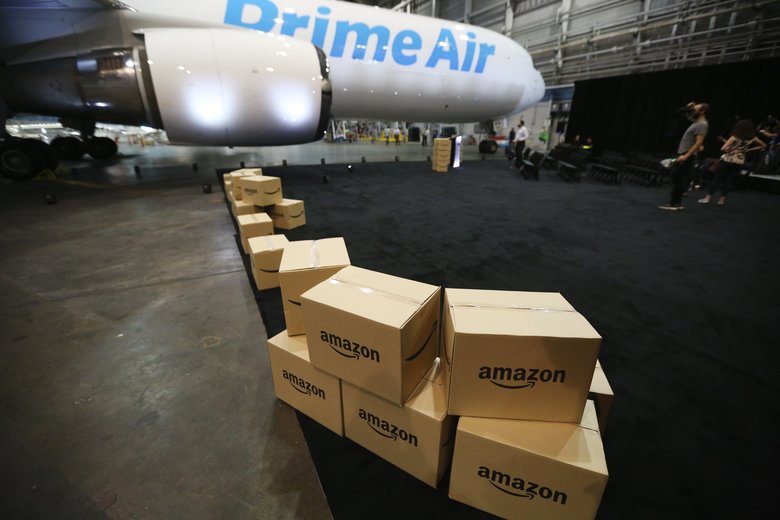
The next time we talk about eCommerce, remember what I have always told everyone in the Dominican market: «for e-commerce to move forward, the entire value chain must be developed».
If you think investing in the value chain is risky, you are not thinking about the value in the connection with the end customer.
I have been an Amazon customer since 2002; that is 15 years of loyalty. Let us invest in what really matters.
I am sharing the video of the first ‘delivery’ by the Amazon Air Drone.
Cover photo, courtesy of Alexandru Tugui.