Digital Civility on Safer Internet Day
On International Safer Internet Day 2017, the multinational Microsoft invites users around the world to adopt digital civility, treating one another with respect and dignity online.

On Safer Internet Day 2017, the multinational Microsoft invites users around the world to embrace digital civility, as well as to treat one another with respect and dignity online.
A new Microsoft study shows that people are concerned about the tone of online interactions and are worried that the risks will increase in the future.
The study led to the creation of our Digital Civility Index (Digital Civility Index), also presented today, which offers a new way to measure people's online safety and their exposure to risks.
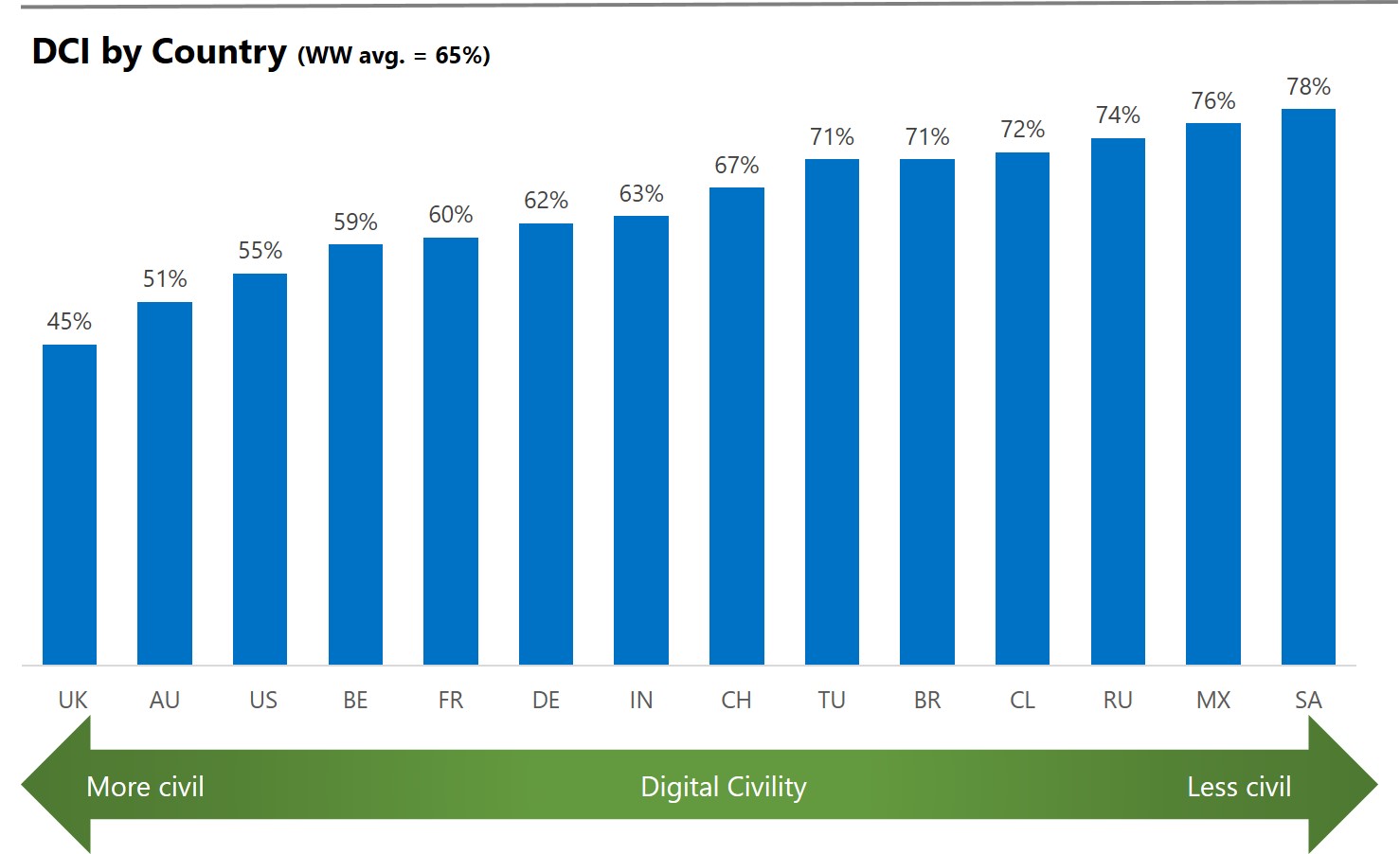
New global study on digital civility, safety and online interactions
Last June, a study was conducted in 14 countries, through which we measured the attitudes and perceptions of teenagers (aged 13 to 17 years old) and of adults (18 to 74 years old) on the current state of digital civility.
Participants' exposure to 17 online risks was measured across four categories: behavioral, reputational, sexual and personal/intrusive.
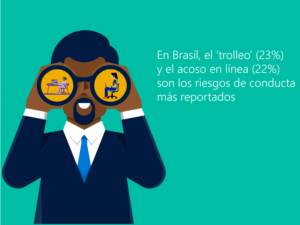
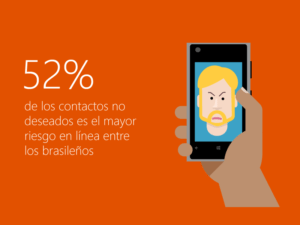
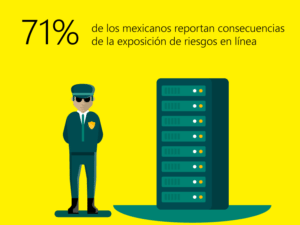
The results show that people faced the following top five online risks:
- Unwanted contact
- Mistreatment
- Provocation
- Unwanted sexual messages
- Online harassment
The Digital Civility Challenge
In an effort to put empathy at the center of digital dialogues, Microsoft is introducing the Digital Civility Challenge.
The challenge invites people to commit daily to four ideals and share their pledge on social media using the hashtags #Challenge4Civility and #Im4DigitalCivility.
Specifically, it urges everyone to:
- Live the Golden Rule behaving with empathy, compassion and kindness in every interaction, and treating everyone they deal with online with dignity and respect.
- Respect differences and honor diverse opinions, and when a disagreement arises, approach it with consideration and avoid offensive words and personal attacks.
- Pause before replying to comments they disagree with, and not post or send anything that could hurt others, damage reputations or threaten people's safety.
- Stand up for myself and others, as well as support those who are targets of online abuse or cruelty, report activities that threaten someone's safety, and keep evidence of inappropriate or dangerous conduct.
Digital civility best practices
By providing a series of informative data points and fun social challenges, the company also advocates for coming together to create a culture of digital civility — where we all have a role to play.
Microsoft's goal with this new initiative is to start a conversation about how digital civility can benefit society; in fact, civility in everyday interactions promotes dynamic, engaged communities.
Alongside the new index, the following are also shared: recommended best practices for digital civility.