Phablets: large smartphones whose sales are growing
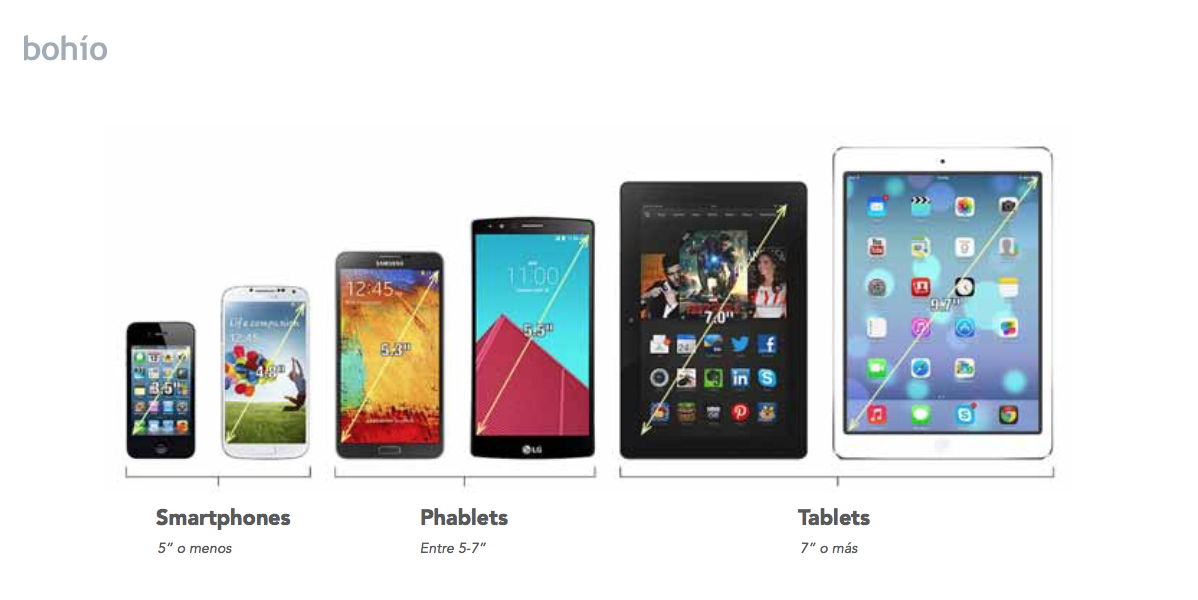
The phablet is a class of smartphone designed to combine or merge the form factor of smartphones and tablets. The word phablet is a blend of the English words phone (teléfono) and tablet (tableta). Keep in mind that they are not a type of phone you can carry in the pocket of some…
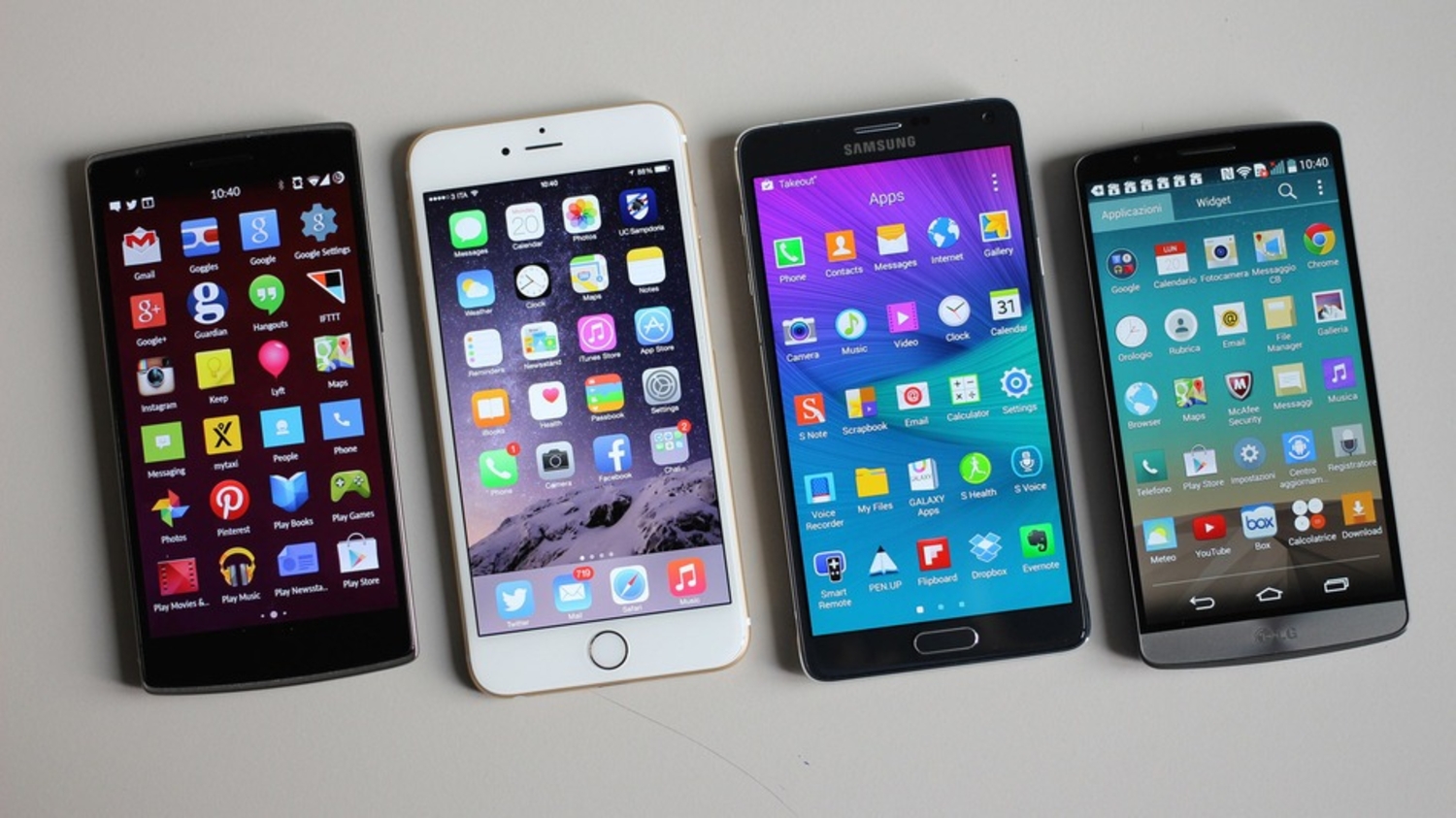
The phablet is a class of smartphone designed to combine or merge the form factor of smartphones and tablets. The word phablet is a blend of the English words phone ((teléfono)) and tablet ((tableta)).
Keep in mind that they are not the kind of phone you can carry in the pocket of a pair of jeans or operate with one hand.
In some cases they are even considered a small tablet. As smartphones and tablets are more affordable and more ubiquitous than ever, phablets have become an excellent gift, according to Flurry Analytics.
The firm tallies the number of activations of the different mobile device brands during the 2016 holiday season, and reveals some interesting findings.
One is that 44% of the activations during the season in the United States were Apple's, while Samsung's share fell to 21%. Huawei continues to advance in the North American market, reaching a 3% share in the holiday season; LG, Amazon, Oppo, Xiaomi and Motorola stand at 2%.
Looking at the results, we can see that Apple was the big winner in the season that closes the year. One could even say that for every Samsung device sold, Apple shipped twice as many at Christmas, with phablets as the formula for success.
Within the mobile ecosystem in the United States, Apple ranks second as an operating system, with a market share of 45%.
Phablets are the only mobile format growing in sales. Once again, large-screen smartphones were very popular under the Christmas tree. They accounted for 37% of new device activations during the season, a growth of 27% compared with last year and 64% compared with 2014.
Smartphones suited to the mobile ecosystem
Greater adoption of these devices could be a blessing for developers and brands, since larger screens also help encourage the use of more visual apps.
The larger screens of phablets such as the iPhone 7 Plus and the Samsung Galaxy S7 tend to deliver a better app experience, through navigation menus, video viewing and more enjoyable games.
According to the firm Localytics, phablet owners run 21% more apps than owners of smartphones with four-inch screens. They also use them on average 3,5% more often than users of four-inch devices.
A phenomenon for everyone?
In 2013 the blog Engadget identified falling screen prices, improved screen power efficiency and battery life as critical factors in the phablet's popularity.
Phablets also meet a consumer need: an “all-in-one” device that acts as both smartphone and tablet, especially in emerging markets such as Asia, where buyers cannot afford two devices ((a phone and a tablet)). They have also been popular with an older demographic group –whose large screens are a benefit for those with impaired vision⟫–.
Despite the trend, the Pew Research Center reports that although more than half of the U.S. population now has a smartphone, adoption among older adults stands at only 18%.
In fact, the share of older adults who own a tablet or an e-reader is actually larger than the share who own smartphones. To be exact, 27% of seniors own a tablet, an e-reader, or both, while 18% own a smartphone, says the report “Older Adults and Technology Use”, from the Pew Research Center.
While the consumption trend among young adults is to adopt the phablet, it is evident that those in the so-called third age look for simplification, an inverse effect of technological convergence. I'll report back in a few years.
Published in Revista Bohío #196, February–March 2017. Includes some corrections by the author.