Fair play: examples for entrepreneurs
Fair Play (which translated means “juego limpio”) is a term that has existed in the English language since the years 1500 AD. It refers to "a way of behaving or treating other people that is honest and fair".
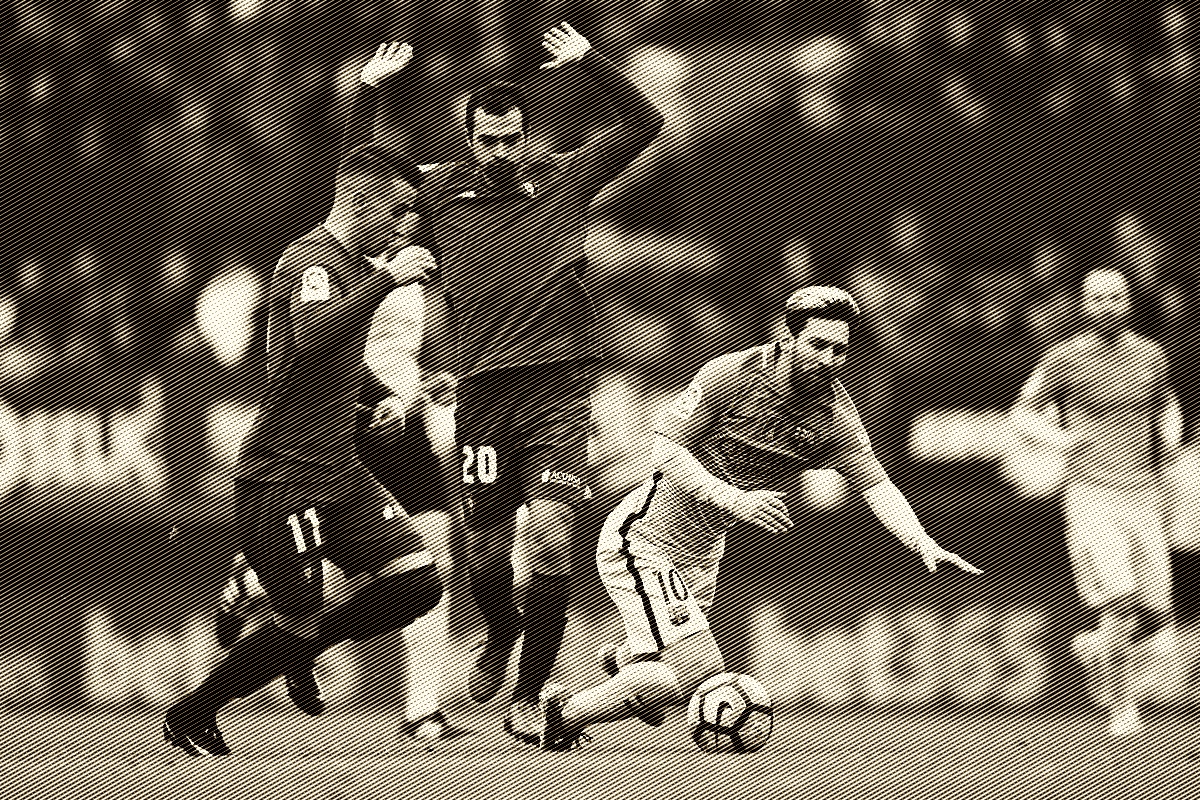
Fair Play (which translated means “fair play”) is a term that has existed in the English language since the year 1500 AD, and it refers to «a way of behaving or treating other people that is honest and fair».
Apple's Fair Play: FairPlay
In the tech world, FairPlay is a digital rights management (DRM) technology created by Apple Inc., based on technology created by the company Veridisc.
FairPlay is built into the QuickTime multimedia software and used by the iPhone, iPod, iPad, Apple TV, iTunes, iTunes Store and the App Store. Previously, all the songs in the iTunes store were encoded with FairPlay.
That technology guaranteed a «fair play» for Apple
Until the 3 of January 2005, when Thomas Slattery, a customer of the iTunes online music store, filed a lawsuit against Apple, Inc.
He alleged that the company violated antitrust laws by using FairPlay with iTunes, so that purchased music would work only with its own music player. The iPod froze out its competitors.
Although most of the complaints were dropped, the case was combined with two other lawsuits and continued under the working name «Apple iPod iTunes Antitrust Litigation».
In December 2014 an eight-member jury voted unanimously in favor of Apple.
Thoughts on Music
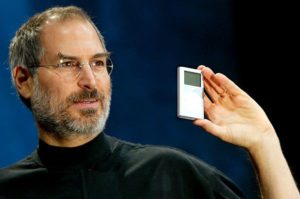
A year later, Steve Jobs, then CEO of Apple Inc., published an open letter titled Thoughts on Music on Apple's website, asking the «big four» music companies to sell their music without DRM.
According to Jobs, Apple did not want to use DRM, but was forced to by the «four major» music labels, with which Apple negotiated contracts for iTunes.
We know the story: the debate opened and continued until the year 2009, when Apple removed the DRM restrictions from its music content. However, movies, books, apps and television shows purchased on the iTunes Store contain FairPlay restrictions.
However, movies, books, apps and television shows purchased on the iTunes Store contain FairPlay restrictions.
Jobs's media battles, trying to justify the goodness of his corporation whenever it was confronted. He always tried to convince us that it «played fair».
Fair Play under the NY Times's magnifying glass

Mike Isaac, in a report for the New York Times, recounts how Travis Kalanick, Uber's chief executive, received a rebuke from his counterpart at Apple, Timothy D. Cook, in 2015.
Uber had been tracking iPhones even after its app had been deleted from the devices and the iPhones themselves had been wiped.
That practice broke Apple's privacy rules, which insisted that wiping an iPhone must ensure that no trace of the owner's identity remains.
Mr. Cook told Mr. Kalanick that if Uber did not stop the tracking, the Uber app would be expelled from the App Store, a move that would deny access to millions of iPhone customers, possibly destroying the service's business.
Mr. Kalanick complied and his company survived. He was forced into Fair Play.
Ask forgiveness instead of permission
A lawyer once told me that.
The Cook—Kalanick episode is an example of how, time and again, Uber's CEO has openly disdained rules and norms, backing down only when caught.
Along the way, his efforts to succeed at any cost have created a company culture that has dragged Uber into its most prolonged crisis.
Media outlets such as New York Times, have examined how Mr. Kalanick's approach of asking forgiveness instead of permission and relentlessly pursuing goals at the expense of other people at times has put his transportation company on the brink of implosion.
Disruption and the rules
It is true that regulation will never precede innovation. But in the case of Kalanick and a new crop of entrepreneurs, the situation is reaching extremes.
«Travis's greatest strength is that he will run through a wall to achieve his goals», Mark Cuban, owner of the Dallas Mavericks and a billionaire investor who has advised Kalanick, once said.
«Travis's greatest weakness is that he will run around a wall to reach his goals. That's the best way to describe him».
At a time when the Entrepreneur Myth shifts from legends about unicorns to horror stories, the case of Uber and other global-scale ventures calls into question the fantastic valuations and the ability of their captains to turn a profit.
So, do we play to win, or do we play fair?
It seems that, in practice, the two questions are mutually exclusive.