Digital Commerce: a train out of eCommerce
Digital Commerce is defined as the buying and selling of goods and services through the Internet, mobile networks and commercial infrastructure.
Digital Commerce is defined as the buying and selling of goods and services through the Internet, mobile networks and commercial infrastructure.
It includes the marketing activities that support these transactions, including people, processes and technologies to execute the offer of content development, analytics, promotion, pricing, customer acquisition and retention, and customer experience across all touchpoints during the customer's buying journey.
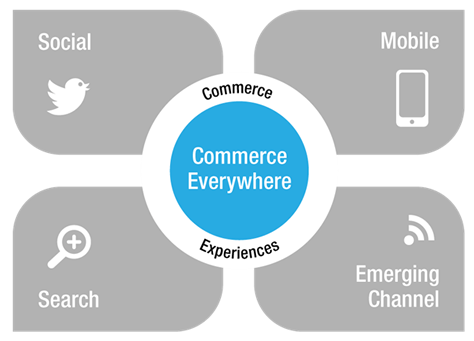
Digital Commerce encompasses virtual reality, augmented reality, wearables, video and other new touchpoints that will enable new interaction models, which means that buyers will not need to go to digital commerce sites.
In addition, 3D printing, peer-to-peer and drones will enable new sourcing and fulfillment models.
According to Gartner, 54% of marketing organizations hold final responsibility for digital commerce.
Digital Commerce and eCommerce
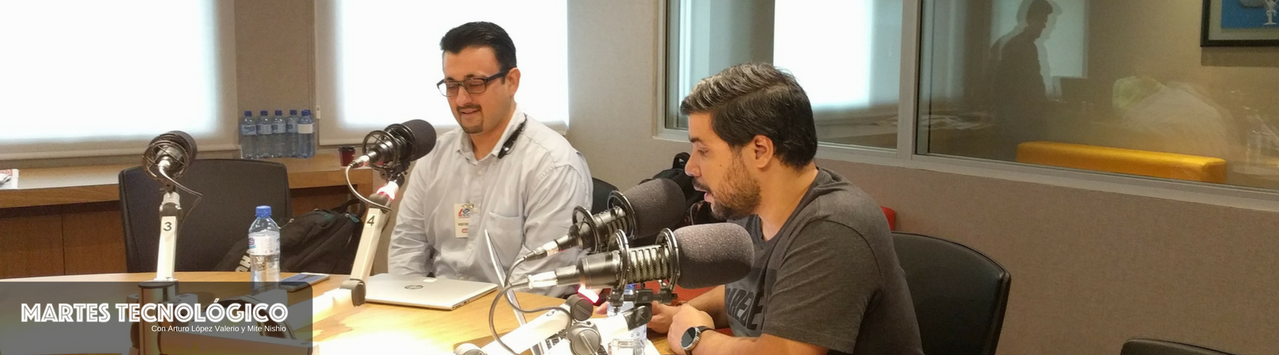
“E-commerce is the digital space that connects brands with users, allowing consumers and businesses to interact and exchange products”, says Isaac García, country director in the Dominican Republic for Gustazos.com, in his interview on the segment “Martes Tecnológico”, hosted by Arturo López Valerio and Mite Nishio.
He argues that “Europe has also been a pioneer in several aspects of e-commerce. In Spain, for example, pccomponentes.com is the most important online store for sales and is currently competing with Amazon España. Likewise, fashion is an important line in the dynamics of e-commerce”.
“What matters most is that the brand connects with the consumer and meets their needs, giving them trust and credibility. That is the great challenge of the markets”.
#ecommerce works 24/7 for buying, but delivery systems don't work on weekends. What do you think? @alopezvalerio @IsaacGMer @teoverasrd
— Mite (@MiteNishio) June 27, 2017
García states that a company is also a cost, only that its way of transacting is different:
“That is where Intranet comes in, the platform that moves products between companies and keeps everyone connected.
- User experience in the digital world is about communicating.
- Social networks are an audience space for connecting and learning about their tastes.
- Google is the interpreter of online search behavior.
- Brands in the digital world must monitor these behaviors to get to know the consumer”.
We recommend that every business manager plan, organize, and execute successful e-commerce strategies that deliver impact, vision, and results, so they can prepare for Digital Commerce.
https://www.instagram.com/p/BV2KXS4gVos/
Audio: From eCommerce to Digital Commerce: The Train
Block 1
Block 2
Block 3