Augmented reality: from the phone to the car
Augmented reality (Augmented Reality -AR-) is overtaking virtual reality in terms of feasibility and convenience, according to Arturo López Valerio and Mite Nishio in their “Martes Tecnológico” segment. It consists of overlaying a layer of digital information and interaction on the images and videos viewed in real time, which…
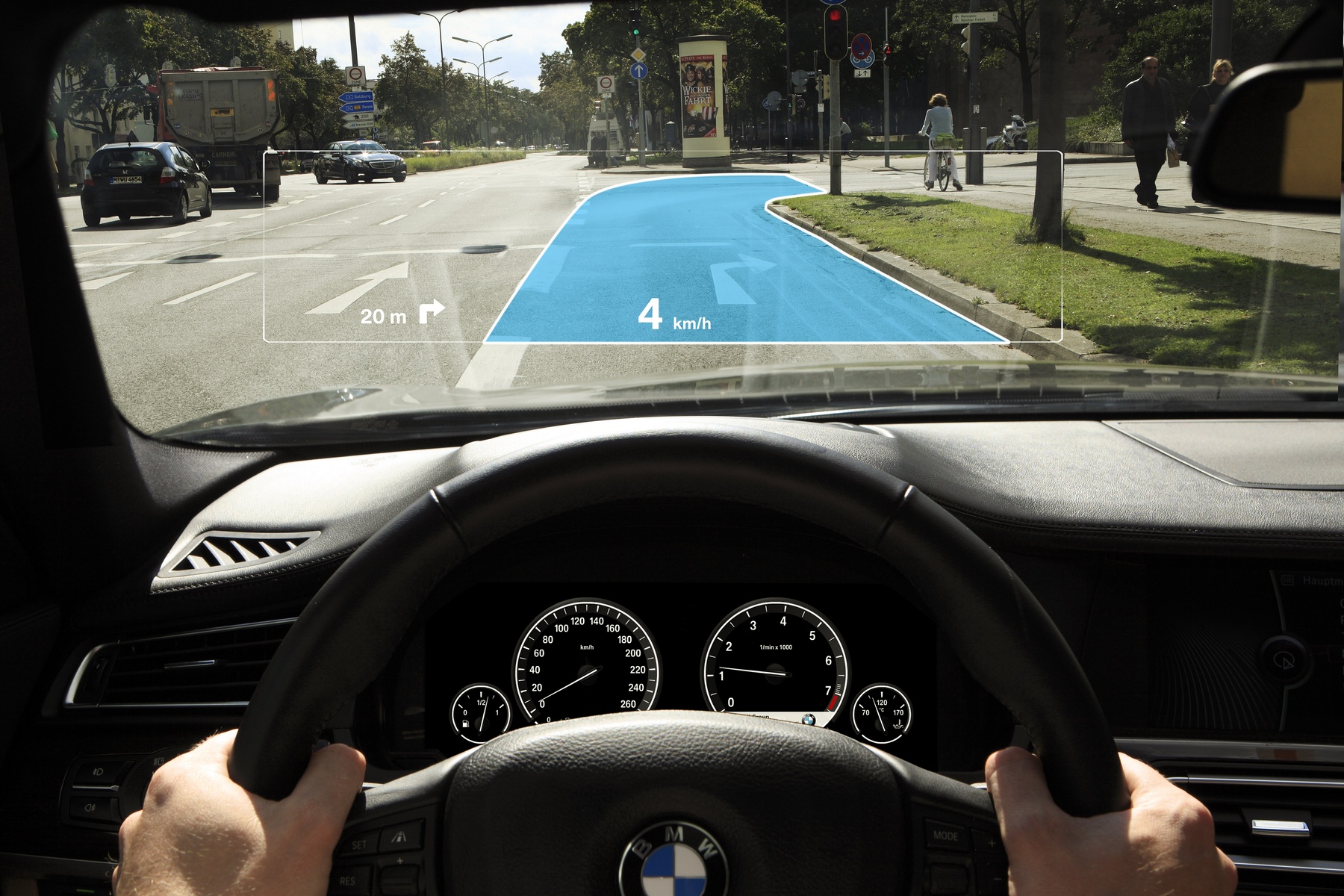
Augmented reality (Augmented Reality -AR-) is overtaking virtual reality in terms of feasibility and convenience, according to Arturo López Valerio and Mite Nishio, in their segment “Martes Tecnológico”, which consists of overlaying a layer of digital information and interaction on the images and videos viewed in real time, enriching the context for the user.
“Whereas virtual reality creates a different, programmed world, augmented reality currently displays virtual objects integrated with the real environment, which are even visible at various depths and perspectives ”.
Thousands of developers are constantly working to make augmented reality an intensive, tangible experience for everyone, with applications on Google Play and the App Store. However, most of these are not applied to reality and serve only as entertainment.
They point out that despite the boom in AR, the “true augmented reality” still remains out of the user's reach. Therefore, the automotive industry is expected to be the first to benefit from it, since it already has a system and platform ready for it.
Augmented reality, better applied
Currently, there is no advanced hardware that allows the full experience of “true augmented reality” through smartphones and tablets. Likewise, these devices do not reach the required level of performance, and their screens do not guarantee a good-quality image in a small format.
“By contrast, the automotive industry does have a transparent surface in the windshield that serves as a platform for `true augmented reality´, and processors that can hold greater capacity than a mobile phone”, says López Valerio. Likewise, citing Vitaly Ponomarev, CEO of WayRay, he states that the impact of “true augmented reality” goes beyond business models, because it also affects the social sphere.
In the automotive world, AR can open unlimited opportunities for location-based content with specific commercial purposes:
- New navigation and geolocation functions that can adjust the experience to environmental conditions in real time.
- New types of relevant ads with little time awareness.
- Gamification of transport and entertainment processes in the car.
- New types of social networks.
Augmented reality and driverless vehicles
Automakers are focused on raising the level of self-driving capability by one level every two years, andn this regard, they expect to introduce driverless cars for regular consumers in 2025, where AR will support decision-making inside the vehicle.
“What this type of technology points to is that the vehicle acquires other capabilities, becoming one more gadget that will receive updates like a mobile phone. Likewise, in emergency situations, manufacturers could assist the passenger, making the experience much more positive and safe ”.
Automotive AR will be displayed on glass combined with a holographic film, so when looking at the windshield, people will see the projected video or the interactive interface. However, the challenge will be changing the behavior of rearview mirrors.
“Clearly, AR has great potential to support the automotive industry, which shows that automotive is a growing trend that will continue to develop and will pave the way for augmented reality in other types of industries”.
Published in Revista Bohío 200.
Audio: augmented reality from the phone to the car.
First block.
Second block.
Third block.