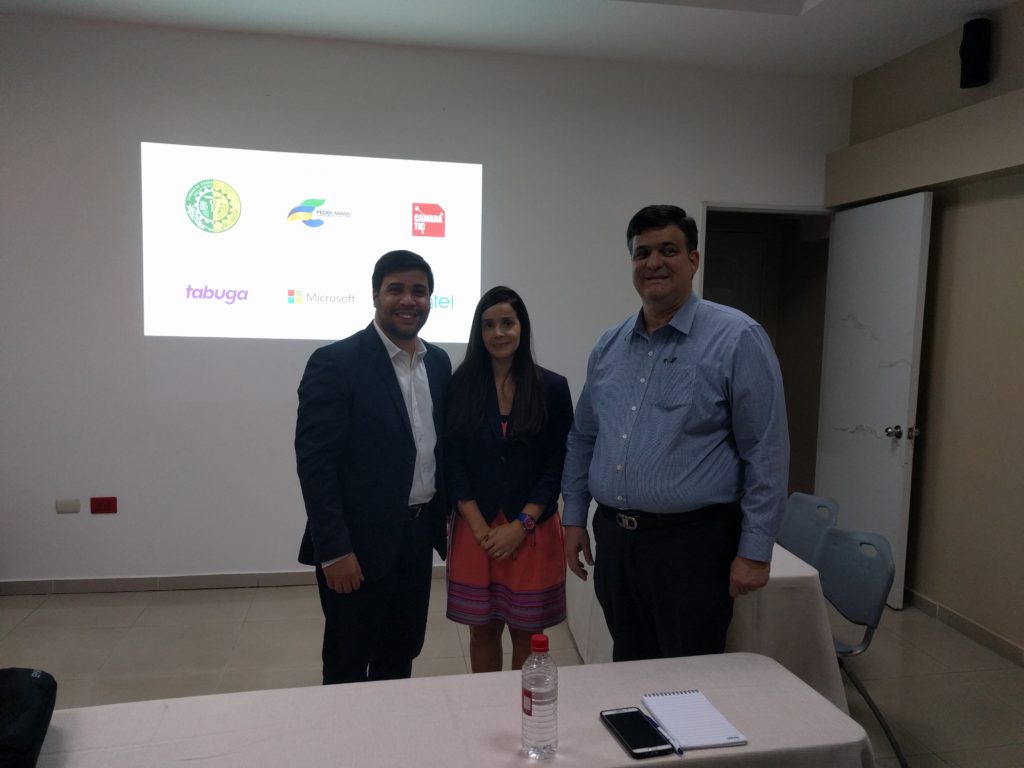
Digital Transformation Route Kicks Off in La Vega
Technology expert Arturo López Valerio led an in-person workshop as part of the Digital Transformation Route, with the participation of more than 30 business owners from the province of La Vega, organized by the La Vega Chamber of Commerce and Production, Fedocámaras, CámaraTIC and the Cooperativa Empresarial de Ahorros…
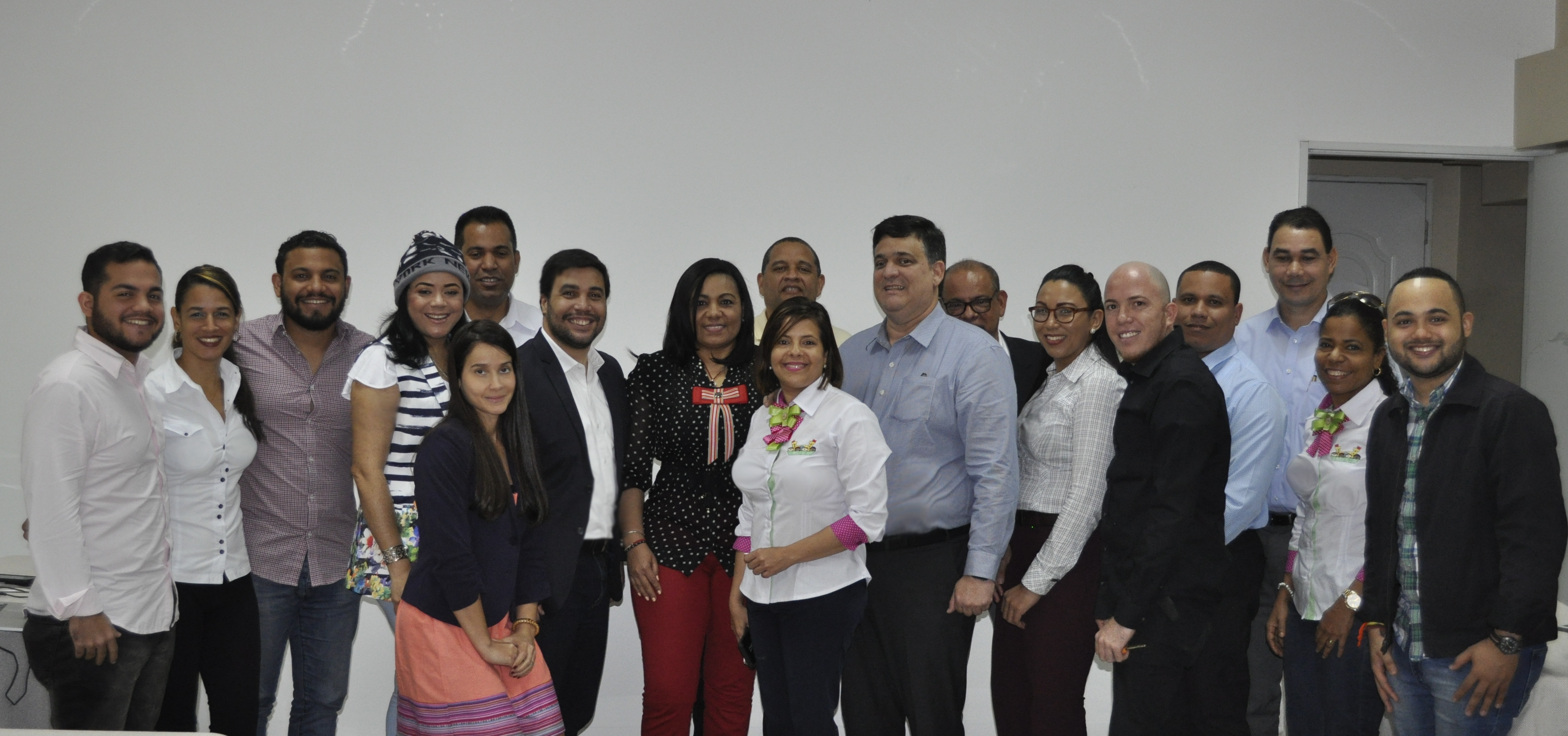
The technology expert Arturo López Valerio led an in-person workshop as part of the Digital Transformation Route, which drew more than 30 business owners from the province of La Vega. It was organized by the La Vega Chamber of Commerce and Production, Fedocámaras, CámaraTIC and the Cooperativa Empresarial de Ahorros y Créditos La Concepción.
La Vega, Dominican Republic, March 20, 2018. Digital transformation is a phenomenon that rebuilds the dynamics of organizations to adapt them to the needs of the present and the future. In companies, this transformation is a key piece of the business plan, or so 66% of the CEOs surveyed by the consulting firm IDC believe.
Digital transformation is the business opportunities that arise from technology. So says the technology entrepreneur with more than 18 years of experience in the industry, Arturo López Valerio.
“Organizations must structure creative, innovative work to look for solutions with strategic sense: identifying the possible disruptive threats in their sector from startups and digital natives, in order to position their companies for the Digital Era.
They must also anticipate new market situations and the needs of digital customers, or millennials, by analyzing the technologies available to innovate products or services. That way they will be able to detect opportunities to digitalize processes along the entire value chain and design new business models.
In this way they can propose the development of new products and services based on the company's strengths and its knowledge of the sector, in order to keep current customers and attract digital ones.”, says Arturo.
As for the main challenges organizations must face to approach digital transformation correctly, the founder of Tabuga warns that organizations must avoid using technology to “make Bulto, Allante and Movimiento”.
López Valerio explains that this bad practice keeps us from taking the technology investments we must make seriously, causing losses to businesses.
The digital expert advocates an honest use of information technologies for communication, and for this reason he has launched the Digital Transformation Route under the BAM brand (an acronym for Business and Marketing) with the support of Fedocámaras and CámaraTIC, to teach business owners across the country to develop digital businesses and use new technologies correctly.
Digital Transformation Map
During the workshop, the business owners learned to build a digital map for their businesses, which is essential to establish a digital transformation plan that requires the following steps:
1. Digital customer or user?
Understanding the digital consumer, and identifying how the new reality influences the creation of new needs, new channels for buying and information, and a greater capacity to choose.
2. Digital product/service concept
Develop innovative concepts by hybridizing physical products + virtual services, or by connecting products, services, things and people in an intelligent way.
3. Digital ecosystem
Analyzing the digital ecosystem the company is part of for developing products and services and delivering them to customers, as well as the collaboration relationships to be established.
4. Emerging technologies
Applying digital technology solutions and integrating them into digital platforms: Mobility, Cloud Computing, Big Data, Internet of Everything (IoE), Cognitive Computing, Smart Cities or Industry 4.0.
5. Customer experience
Designing the customer experience while taking into account the possible impacts of new products or services and considering usability and security in the use of technology.
6. Physical or virtual value chain
Analyzing the new activities that must be introduced into the value chain, both physical and virtual, and identifying the processes that will need to be modified and digitalized.
7. Business model
Develop an innovative new business model, identifying how the new revenue will be generated and where the main costs will lie.
8. People: organization and work culture
Introducing changes aimed at managing work that has been commoditized, virtualized and distributed among the people involved in the transformation project.
9. Talent: skills and occupations
Identifying the need for new skills and which new occupations are required. Developing people so as to have the right talent.
10. Digital Transformation Plan
Identifying a lead team, introducing agile and collaborative methodologies, and analyzing the needs for organizational change, skills and new occupations.
The Digital Transformation Route will continue throughout the year 2018. Companies and others interested in receiving it in their communities can connect through the page http://bam.digital