Are We Heading Toward a Mostly Online Financial System?
In 2011 the Dominican financial system through mobile devices had 245,873 users, and six and a half years later -in May 2018- the figure had passed one million (1,055,251), an increase of 329%. Last year, financial operations through mobile devices reached a value of RD$9,202 million, which…
In 2011 the Dominican financial system through mobile devices had 245,873 users, and six and a half years later -in May 2018- the figure had surpassed one million (1,055,251), an increase of 329%. Last year, financial operations through mobile devices reached a value of RD$9,202 million, which represents an increase of 56.4% compared with 2016.
As for internet transactions -both local and international-, as of May 2018 operations worth RD$24,820.5 million had been carried out, according to statistics from the Central Bank's Payment System. As of that date, there were 3,577,704 registered users of these platforms.
Growth of the digital financial system
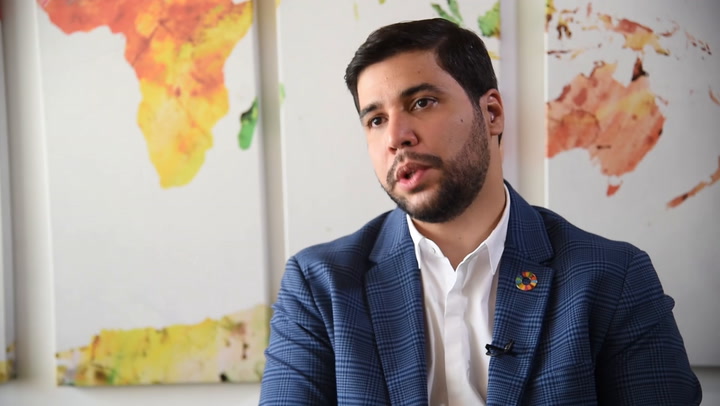
For Arturo López Valerio, a consultant in digital services and marketing, the growth in internet users over the last decade has pushed financial institutions to update themselves to new technological trends to meet user demand, especially from newer generations such as millennials and centennials.
“I feel that (the digitalization of the financial system) is proportional to demand. Some institutions have more clients, have more millennials and, therefore, need to approach digitalization more quickly”, he says.
At the technological level, López Valerio believes the sector must commit to integrating different channels in order to satisfy clients, because it is not just a matter of having a mobile app if -for example- web banking is not mobile friendly or if these platforms are designed for high-speed connections when a high proportion of Dominican users connect to the internet over 3G lines.
And what about security challenges?
“I think that now, with the framework and agreements the country has signed and the declaration that cybersecurity does exist, national-level policies on cybercrime have already been adopted. The security challenge is being addressed intelligently” says López Valerio.
In the country, the Department for the Investigation of High-Tech Crimes and Offenses (DICAT) is responsible for combating high-tech crimes. The Dominican Republic has laws 53-07 on High-Tech Crimes and Offenses, and 172-13 on the Comprehensive Protection of Personal Data in Files, Public Records, Data Banks or other media, among other legislation.
Published in the Periódico Diario Libre, August 8 2018.