Telecommunications: ASIET warns of tax increase
The Dominican Republic needs coordinated public policies consistent with the goals of inclusion and universal access to telecommunications services.
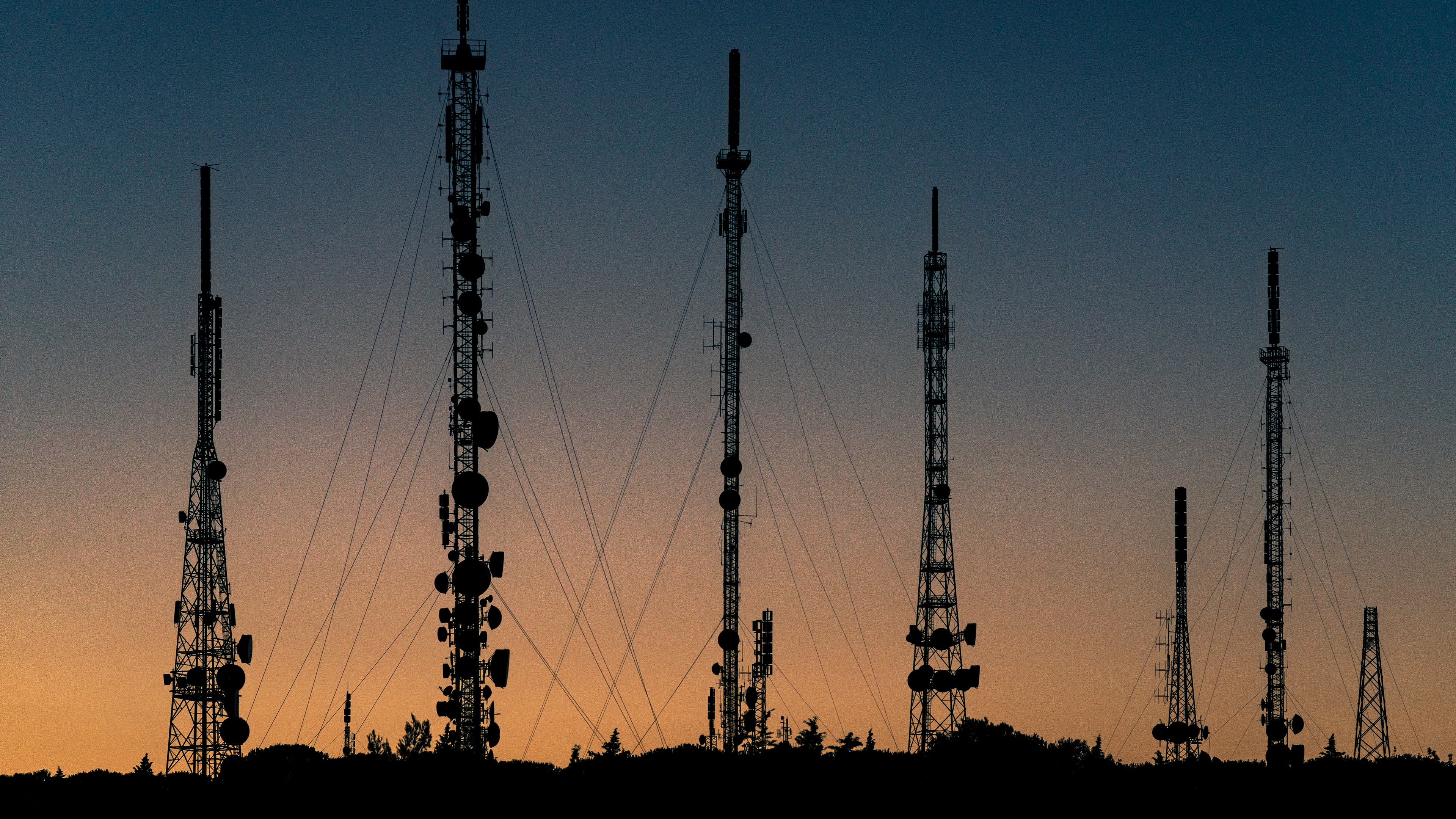
The Dominican Republic needs coordinated public policies that are consistent with the goals of inclusion and universal access to telecommunications services.
- Increasing the tax on mobile devices would have adverse effects on Dominicans, particularly those with lower incomes, who would find it harder to get a smartphone.
- 1 out of every 3 Dominicans still do not have access to the Internet. Closing the digital divide is an ethical and economic imperative.
- The measure is inefficient as a source of revenue and would be counterproductive for the country's economic development, as international experience shows.
The decision by the Dominican Republic's Dirección General de Aduanas (customs authority) to apply the 8% tax to mobile communication devices is worrying.
Repealing the provisions that set this tax at 3% and raising it is a step backward for the country's digital policy, after the progress achieved so far.
Internet Growth in the Dominican Republic
Between 2007 and 2017, according to data from the International Telecommunication Union, the share of Dominicans who use the Internet rose from 17.6% to 65%.
Bringing the population that still lacks the benefits of being connected (1 out of every 3) would become even harder with this measure.
Closing the digital divide is an ethical imperative and a central goal for Latin American countries, given the opportunities that digitalization offers for economic and social development.
The Dominican Republic's own authorities have recognized this in recent years and have taken important steps in that direction.
The programRepública Digital is a clear example of this, and its approach, as a key component for driving digitalization in the country, has been recognized in the region in several respects.
According to the review of international experiences and the findings of various studies on the subject, imposing extra taxes on telecommunications harms the goals of penetration and connectivity, and affects most directly the citizens with the fewest resources.
Tax Reduction Boosts Telecommunications
Various specialists point out that cutting taxes is an opportunity to increase demand for services and can create a virtuous circle that leads to greater social benefits and even higher tax revenue.
Lower tax levels on telecommunications tend to strengthen government finances: as telecommunications penetration and use grow, overall economic activity expands and the tax base tends to get larger, which in turn widens the scope for revenue collection.
More and better connectivity for all Dominicans will undoubtedly lead to better economic and social conditions, so it is essential to establish coordinated public policies consistent with that goal at every level and in every area of the state.
ASIET Statement R_Dominicana_2019 (Word)
The Inter-American Association of Telecommunications Companies (ASIET) is an organization made up of (public and private) telecommunications companies operating in the countries of the Americas.
ASIET has worked since 1982 for the development of telecommunications and the Information Society in the region through public-private dialogue, promoting the growth of the industry and encouraging the exchange of knowledge and good practices, while looking after the common interests of our members and of the industry. You can find more information on the website: https://asiet.lat/