Digital transformation in banking: challenges
The question that remains a priority in the minds of large and emerging financial institutions around the world is: what does it really mean to move toward digital transformation in banking? This is the right moment to think more deeply, especially when success in the digital era is about DATA. We have…
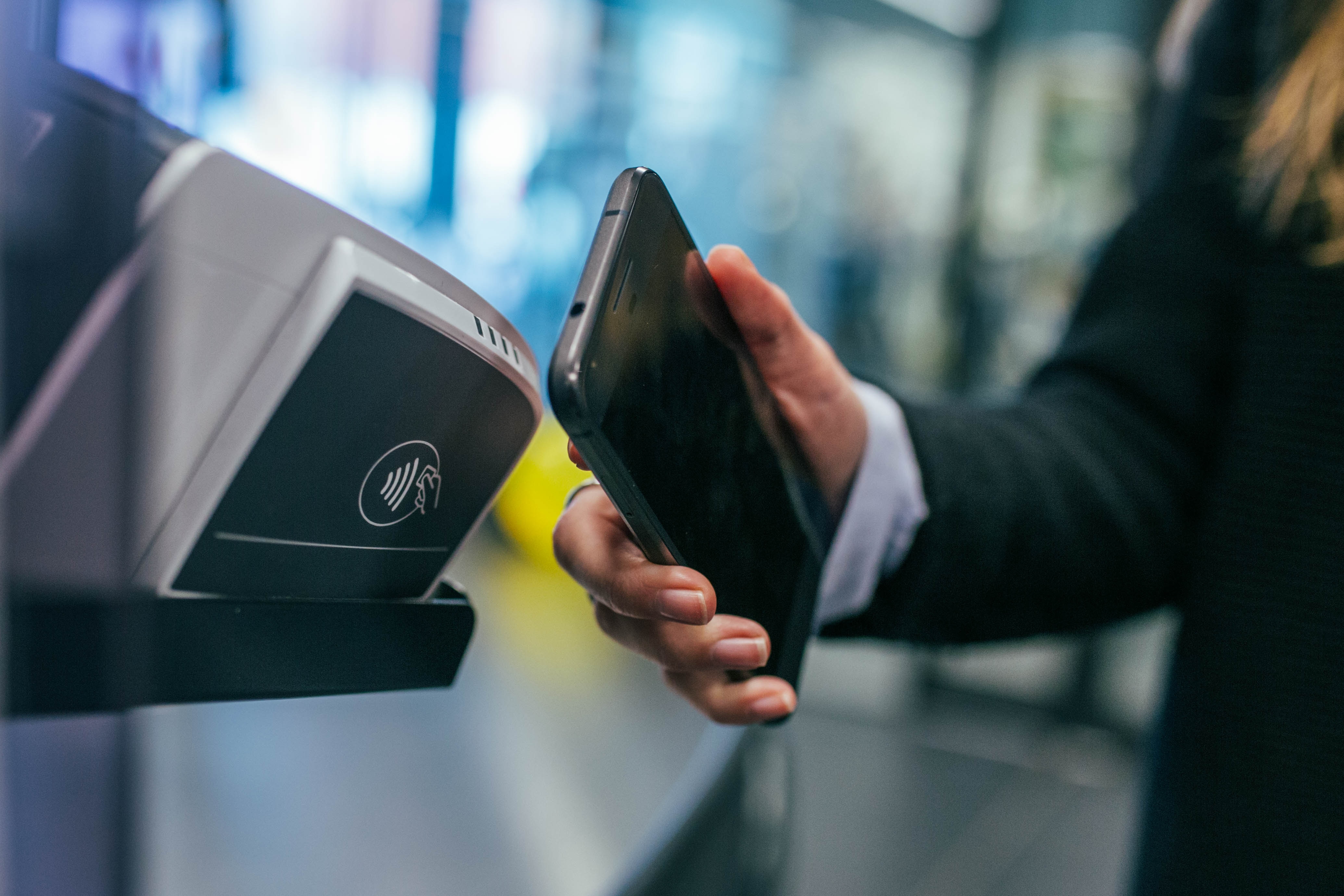
The question that remains a priority in the minds of large and emerging financial institutions around the world is: what does it really mean to move toward digital transformation in banking?
This is the right moment to think more deeply, especially when success in the digital era is about DATA.
We have emerging but powerful technologies, such as Big Data and artificial intelligence, at our disposal to give us valuable insight into:
- lifestyles,
- obligations,
- preferences,
- creditworthiness, and
- customers' personal financial needs.
Abundance of data
The challenge is not so much a lack of data, but the abundance of it and how we can use it more efficiently to meet consumers' demands for what they want, when they want it, and how they want it.
Mobility is the key, and a reality for national banking:
- According to the Dominican Republic's financial inclusion index for 2017, the country's mobile capacity is 78 percent.
- This indicator measures access to financial services on mobile devices.
- As a sign of progress, the same overall index stood at 64 percent in 2017.
- The overall financial inclusion index (at the country level) is 56 percent for 2018.
Retail Banking
A decade after the publication of the first Retail Banking Radar, A.T. Kearney once again shows us the results of its second radar.
It highlights how the European banking industry –which benefits from strengthened regulation– faces a crucial transformation amid growing consumer demand for digital banking and the expanding possibilities of open banking.
Even beyond digitalization, new research points to the need for banks and savings and credit cooperatives to rethink the core retail banking model.
The evolving behavior of consumers requires a search for distinctive offerings, delivering «digital engagement» to give their customers greater access and convenience.
Over the last six months, ITTI Digital, a banking software provider, has undergone a massive transformation. It partnered with UXDA (the first agency to design interactive user experiences) to completely reinvent a core banking solution for the next 15 years.
This transformation has secured a dramatic increase in banking service speed, employee productivity and customer satisfaction.
Some of the results point to a shorter learning curve for bank employees, from several weeks to just a few hours. The potential for human error has also been significantly reduced.
Robo-Advisors: digital transformation in banking
One example of acceleration is the «Robo-Advisors» segment, which includes private asset management providers that offer automated online portfolios.
Private investors can now choose investment volumes according to their means and personal appetite for risk. Providers such as Wealthfront, Schwab Intelligent Porfolios and Betterment offer this service.
These services allow private and/or institutional investors to put their money into pre-existing portfolios, which are managed automatically by individually configured algorithms.
This advanced reality is already at work in the country, according to the consulting firm Tabuga:
- Assets under management in the « segmentRobo-Advisors
» in the Dominican Republic amount to US$53 million in 2019.
- Assets under management are expected to show a compound annual growth rate (CAGR 2019-2023) of 62,6%, resulting in a total of US$ 373 million by 2023.
- The number of users is also expected to reach 43 thousand by 2023.
The advantage of these services lies in the passive role of the investor, who cannot afford (or does not want) to monitor the performance of their portfolio continuously.
Such automated investment services also deliver attractive returns with low initial capital and without specific investment knowledge, in contrast to the classic investments offered by traditional banks.
FinTechs as part of digital transformation in banking
Because of their different operating nature, «Robo-Advisor» metrics are not included in the indicators for FinTech products at the local level.
According to Tabuga, the largest segment of the FinTech market in the Dominican Republic is digital payments, with a total transaction value of US$ 2,559 million in 2019.
In that segment, revenue is expected to grow by 11,2 percent in 2020, and the number of users is expected to reach 6.69 million by 2023.
Reinventing digital transformation in banking
If today's financial institutions take a grounded look at this reality, they should reflect on their digital transformation efforts and steer their actions toward “banking of the future”.
They will have to reimagine experiential journeys and UX design to take customers into account (by making their experience more pleasant).
They must also transform their traditional service approach to become lifestyle platforms, a unique window of opportunity to meet the daily needs of their ecosystem.
The challenge for the local financial sector is to stay competitive from now on, as the value chain is atomized by the process of digital democratization.
I understand that the handful of entrepreneurs FinTech
Synergies that build bridges to help narrow the gaps for the consumer.