Facebook seeks to make an impact on remittances to the Dominican Republic
Facebook is going after the remittance segment. It has already connected large parts of the world, with more than 2,410 million active users across its social networks and its various messaging platforms. Now it is taking on a new project: creating a “more inclusive global financial system”. The company presented…
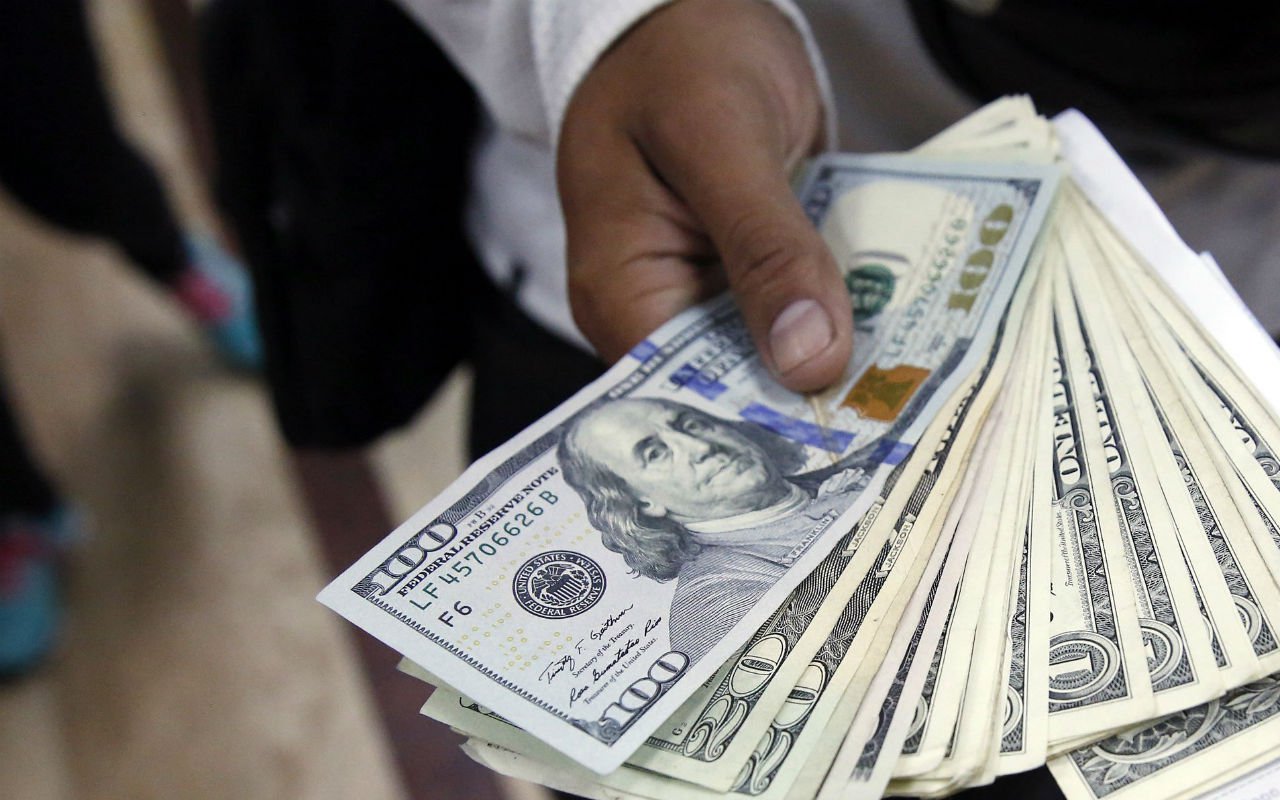
Facebook is going after the remittance segment, having successfully connected large parts of the world, with more than 2,410 million active users across its social networks and its various messaging platforms.
It is now taking on a new project: creating a “more inclusive global financial system”.
The company introduced a new cryptocurrency called Libra, which will be managed by The Libra Association.
This is an independent non-profit organization based in Geneva, Switzerland, whose founding members include companies such as Mastercard, Visa, eBay, Uber, Spotify and Vodafone.
Digital financial inclusion
“Libra's mission is to enable a simple global currency and a financial infrastructure that empowers billions of people”, according to the currency's mission statement.
The statement also notes that the advent of the internet and mobile broadband has given billions of people around the world access to a wide range of more convenient, lower-cost services.
According to Facebook Inc., around 1,700 million adults worldwide remain outside the financial system, with no access to a traditional bank, even though 1,000 million of them have a mobile phone (but only half have internet access).
One of the most important areas that Libra could affect is remittances, that is, money transfers from migrants to their families in their home countries, which have proven to be a crucial driver of economic development.
The Remittance Problem
According to the World Bank, transfers to low- and middle-income countries are growing globally, reaching a record 529,000 million dollars (mdd) in 2018, and for 2019 it estimates that the upward trend will continue to 689,000 mdd.
The problem is that sending money to people who have no access to a financial system, especially in regions such as sub-Saharan Africa, is difficult and costly.
In the fourth quarter of 2018, the average cost of sending 200 dollars to that region was approximately 9%, in the Dominican Republic; the reported figure is 7.25% as of the second quarter of 2019.
Applying 9% to the 46,000 mdd sent to the sub-Saharan region last year brought total costs to 4,000 mdd.
Remittances to the Dominican Republic are growing
The total sent by Dominicans abroad reached 6,500 mdd in 2018, according to preliminary statistics from the Banco Central de la República Dominicana, with a total remittance cost for 2018 of about 384 mdd.
It is worth noting that reducing the average cost of remittances to a global average of 7% would free up more than 1,000 mdd in funds where they are needed most.
“Success will mean that a person working abroad has a fast and simple way to send money to family back home”, reads Libra's mission statement.
This is in line with the United Nations Sustainable Development Goals, which aim to reduce the cost of migrant transfers to less than 3%, and to eliminate remittance corridors with costs above 5% by 2030.
The challenge for the local financial sector is to stay competitive in the face of this new tool.
The Rise of Peer-to-Peer Lending
But they also face multiple Fintechs looking for ways to win a share of a digital transfer market Peer-to-Peer Lending.
A practice of transferring capital to individuals or businesses through online services that match lenders with borrowers.
According to the consultancy Tabuga, by 2023 foreign-currency remittances sent through digital channels to Quisqueya will reach 854 million USD, with 800,000 users betting on low-cost fees, creating a market opportunity for Fintechs.
Remittances will now be radically transformed in less time than it has taken the authorities to achieve 100% banking penetration among Dominicans.
Of course, Libra and the Fintechs will provide excellent tools for this purpose; but at what price?
The digital transformation of our finances is immediate.
Published in Revista Forbes Centroamérica, September 5, 2019