Technological fluency is the challenge for children's entertainment
With a generation of children growing up without knowing a life without technology, the technology and toy industries are joining forces to meet the needs and wants of this young market. “Technological fluency” is a term coined by Robin Raskin, founder of Living in Digital Times, in which she explains how the…
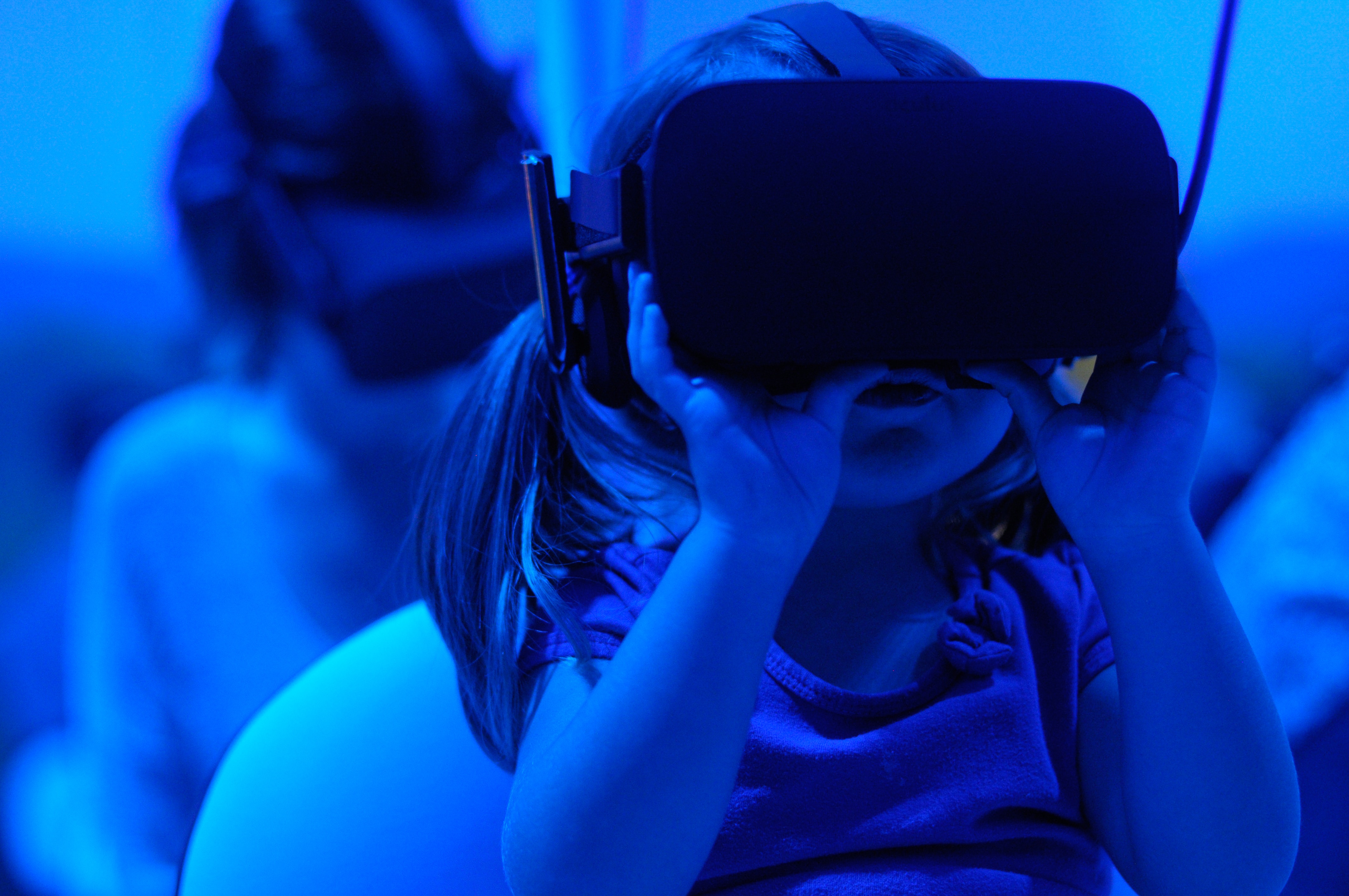
With a generation of children growing up without knowing a life without technology, the technology and toy industries are joining forces to meet the needs and wants of this young market.
“Tech fluency” is a term coined by Robin Raskin, founder of Living in Digital Times, to explain how the next generation of children can move seamlessly between and blend technological and non-technological elements.
For Raskin, technology has changed the way children's solutions are presented, from lower prices to building it into traditional toys.
Technology is only becoming more widespread and, as children grow up in the digital world, parents must change their expectations and buying habits.
On the subject of the innovations we saw at ClaroTEC last month and how they affect households, I'm sharing a few considerations parents should keep in mind when shopping for toys for their children:
Tech fluency: try before you buy
The U.S. children's technology industry is excited to see the “Toys R Us” chain planning a comeback and a transformation into an interactive space.
With parents wary of buying tech toys without first trying them out, spaces such as the “Tru Kids” test areas will let tech toy companies show off their products in a hands-on setting for children and win over the parents, who make the purchase. This is an opportunity for local retailers.
Experiential play spaces also give tech-enthusiast children and teenagers the chance to play with augmented and virtual reality (AR / VR), a trend already embraced by restaurants and airports that offer these experiences; public spaces will be the first place where they experiment with mixed realities.
Today's children also expect a technology component in every toy, whether a sensor that brings the toy to life when you get close, a voice activation, or an app that extends the life of the game.
STEM Educational Games
The focus on science, technology, engineering and mathematics education, which in some settings also includes the arts and is known as STEAM education, continues to show healthy growth, with companies competing to demonstrate that their products and services are in line with this future-focused trend.
According to Raskin, “the STEM and STEAM education model is essential for parents to invest in the skills their children need within a 21st-century education 21st century
Like video games such as Minecraft and Roblox, which use building blocks digitized by an app, or robotic toys that let children learn to code and decide their toys' movements, toys are being reinvented from the traditional products parents have been used to since their own childhood.
Although parents are concerned about screen time, these products have shown that parents are willing to spend money on technology for a reason.
Mass Personalization
Part of the shift toward a digitized childhood is children's interest in being part of the content. The fusion of technology and lifestyle happens on platforms like TikTok, where younger generations can be both creators and consumers, developing their own content.
The trend toward personalizing children's products may have started with headphones and accessories, but it will surely continue.
One component worth highlighting is the rise of the Internet of Things (IoT), a technology that opens the door to devices such as Amazon's Alexa, a personal assistant that many children use at home.
Tech-savvy parents for tech fluency
As more millennials become parents, tech toy companies are facing knowledgeable parents who want to add the right technology to their children's playtime.
These are parents who have started using smart home products to help monitor their children's screen time and location.
They will also use them to connect across generations and build a relationship between children and grandparents.
As the market for tech toys grows and keeps growing, companies must learn to produce and market tech toys at reasonable prices that capture children's imagination and sense of fantasy without breaking parents' wallets.
An excellent field to explore for a true Digital Republic.
Published in the Periódico El Caribe 11 November 2019.
Photo by Giu Vicente on Unsplash