2019 is the year of highest mobile Internet use
Users worldwide averaged a total of 800 hours connected to their phones over the full year. According to Zenith Media's media consumption forecasts, people around the world averaged a total of 800 hours using mobile Internet this year, equivalent to 33 full days. By 2021, the…
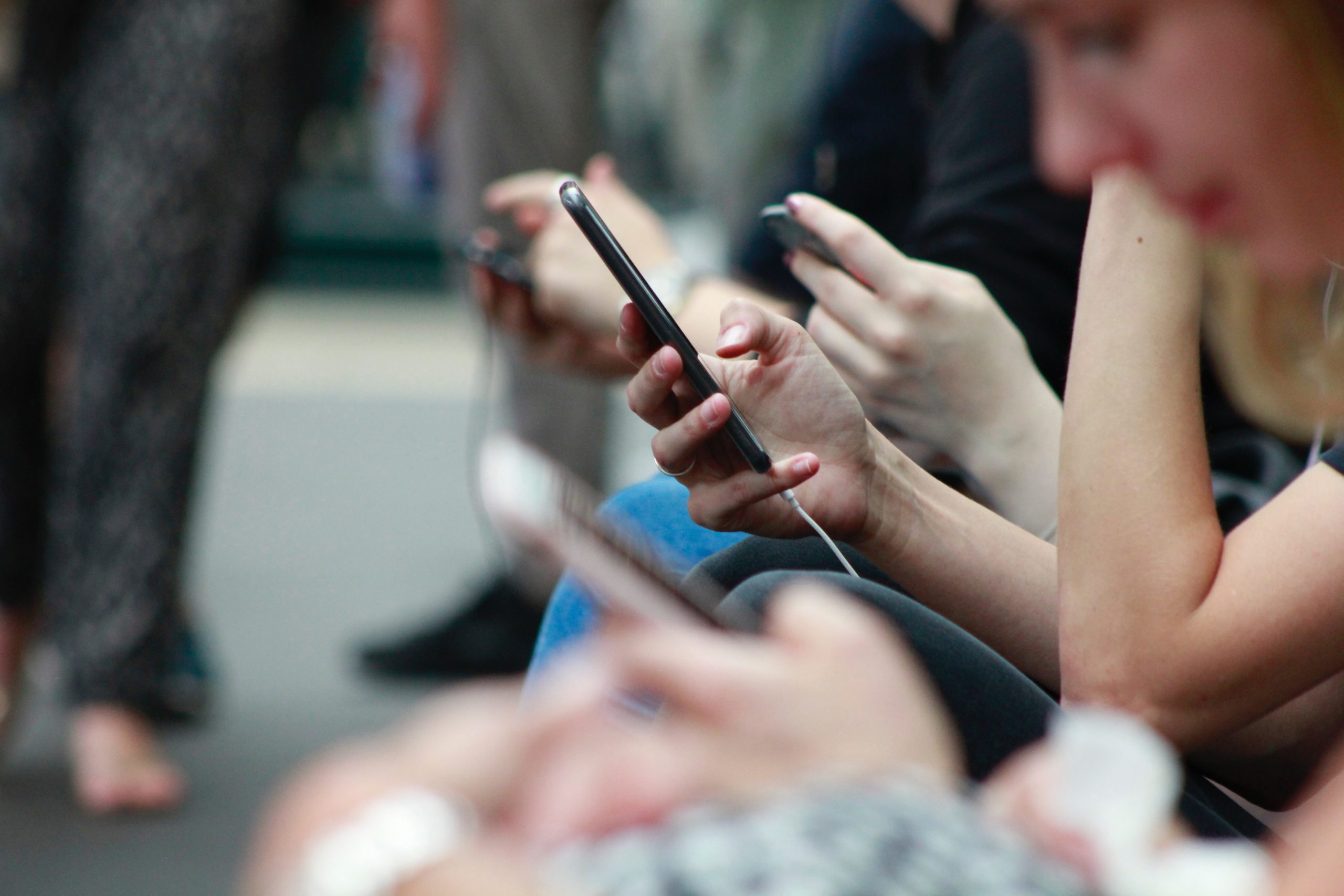
Users worldwide averaged a total of 800 hours connected to their mobile phones over the full year.
According to Zenith Media's media consumption forecasts, people worldwide averaged a total of 800 hours using the mobile internet this year, equivalent to 33 full days.
By 2021, the total will rise to 930 hours, or 39 full days.
This is the fifth edition of the media consumption forecasts, which analyze changing media consumption patterns since 2011 and forecast how the amount of time people allocate to different media will change between 2019 and 2021.
In the 57 countries surveyed, people this year spent 3.8 billion collective hours using the mobile internet, a figure that will grow to as much as 4.5 billion hours in 2021.
Since the first edition was published in 2015, the average amount of time people worldwide spend accessing the mobile internet has risen from 80 to 130 minutes per day, at an average annual rate of 13%, driven by the availability of affordable services, smartphones, faster connections, better screens and app innovation.
However, growth is slowing, now that most people in the developed world who want a mobile device already have one and ownership is becoming common in developing markets.
Zenith Media forecast average annual growth of 8% in time spent on mobile internet devices between 2018 and 2021. The firm expects mobile internet use to account for 31% of global media consumption in 2021, up from 27% this year.
Television remains the most popular medium worldwide
Television remains the largest medium worldwide, drawing 167 minutes of viewing each day in 2019. Television viewing is expected to decline slowly to 165 minutes per day in 2021.
Television will remain the world's favorite medium throughout our forecast period, accounting for 33% of all media consumption in 2021, down from 35% in 2019.
The mobile internet has eaten into the amount of time people spend with some —but not all– rival media. Between 2014 and 2019, the average amount of time spent reading newspapers fell from 17 minutes a day to 11, while time spent reading magazines fell from 8 to 4, and time spent watching television fell from 171 to 167.
Desktop internet use (desktop) has also fallen, from 47 minutes a day to 40. However, consumers' appetite for radio and cinema has remained strong, with radio listening rising from 53 minutes to 55, and time spent at the cinema rising from 1.8 minutes to 3.0 minutes a day on average, driven by a boom in cinema attendance in China.
Note that time spent on newspapers and magazines includes only time with the print editions of these publications, while time spent on television and radio includes only time with traditional broadcast channels and stations.
Time spent on online platforms owned by publishers or broadcasters is counted as internet consumption.
Total media consumption rises to eight hours a day
The mobile internet has expanded the amount of time people spend consuming media: consumers spent an average of 479 minutes a day with media this year, compared with 420 minutes in 2013.
By 2021, the average consumer is expected to spend 495 minutes a day consuming media.
“To take advantage of this abundance of channels, brands must reach consumers in the environments that best fit their values, and at the moments when consumers are ready to move along the path to purchase”,
said Matt James, president of Zenith Global Brand.
“This requires investing in talent and technology to unlock the value of data and create personal brand experiences”.
It is interesting how mobile internet technology has so greatly expanded the amount of time people spend on different communication channels, from comparing prices to sharing jokes with friends on WhatsApp and ordering lunch through Uber Eats; this has catalyzed new opportunities for brands to connect with consumers.
2020 will be a year of transformation for brands and consumers alike.
Published in Periódico El Caribe, December 20 2019
Photo by ROBIN WORRALL on Unsplash