When there is no plan B
Over the past few days I have been asked repeatedly for my opinion on the electronic voting case and the sequence of events that has unfolded since Sunday, 16 of last February. My answer has always been the same: technological innovation has been discredited by the mishandling of electronic tools during…
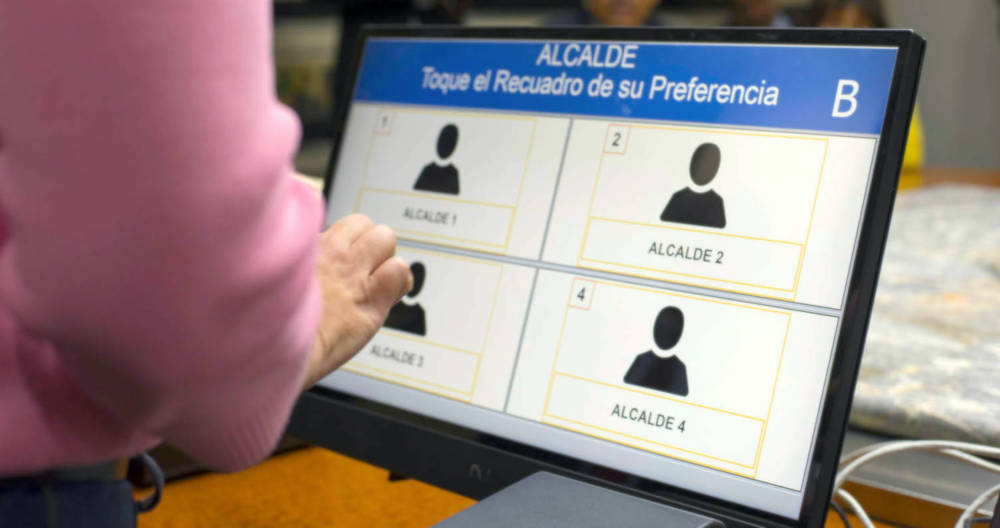
In recent days I have been asked many times for my opinion on the electronic voting case and the sequence of events that has unfolded since Sunday 16 of last February.
My answer has always been the same: technological innovation has been discredited by the mishandling of electronic tools during the municipal elections.
In the months before and —mainly– the days after the suspension of the municipal elections in the Dominican Republic, the electronic voting modality has been the target of strong criticism from multiple sectors involved in the process.
As a nation, we need to understand that one cannot “load the dice” against technology, since the equipment in this electoral process is only one part of it, because like any system it follows the instructions of its creators.
In every technology implementation, we must separate and understand that there is hardware, software and processes. The hardware needs the software, the software is programmed according to the process, and the process is set by the actors who govern it.
Another lesson from this experience is that one cannot go with a system that works connected (online), because the chances of failure are very high. This means that choosing an offline (model) was appropriate, but it requires actors who can manage optimal nationwide support logistics.
Watching the leaked video of the meeting held by the president of the electoral body, Julio Cesar Castaños Guzmán, with the delegates of the political parties, one glimpses a client talking about “how badly the software vendor let him down”.
In that sense, the video shows a problem that is common in local processes: “the actors stay quiet when there is a problem and try to solve it gradually”. That is why we know about the malpractice that occurred in the process: at the last minute the technicians were ordered to update the equipment so that it would magically work.
We are no longer in an era where we can solve technical problems like Tibetan monks —whose language and movements nobody knows. Months ago we explained how trends in blockchain can help make Dominican politics more transparent.
Processes must be transparent.
The big problem we observe is that the electronic voting process had no Plan B, no contingency protocol, and that is serious, mainly because it sends a bad message to our society and to those of us who are building businesses in the technology world.
They eroded everyday citizens' trust in technology.
According to the Edelman Trust Barometer, technology industries have been rated above 70% over the past four years, well ahead of traditional sectors such as finance, government and civil society.
To give you an exact sense of the size of the digital economy in the country, it will generate revenues of more than one billion dollars in eServices, eCommerce and digital intermediation this year, according to the intelligence report from the firm Tabuga.
Those of us who work with technology and have to convince business owners, executives and organizations to implement solutions in artificial intelligence, cloud computing, machine learning and automation, among others, will have to face a collateral crisis of trust.
The technology sector can create new jobs in our country in the short and medium term; our young people, with a smartphone, internet access and knowledge, can generate income with minimal means of production.
Technology creates opportunities.
The authorities have put the foundations of the digital economy at risk by sowing doubt in a critical electronic process. They have also put at risk the future of young people, who depend more each day on technology and on digital business models that need a climate of optimal trust.
We must not go from a digital republic to a paper republic.
Originally published in Periódico El Caribe, February 21 2020
Photo: El Caribe archive.