The New Nature
The bridges between technology and nature, the synthesis of molecular science and biotechnology, are changing our perception of naturalness, which has undergone a process of transformation. We have arrived at the Anthropocene: the age of humans; the current geological epoch reflects humankind's direct impact on the Earth. The concept was coined in 2000…
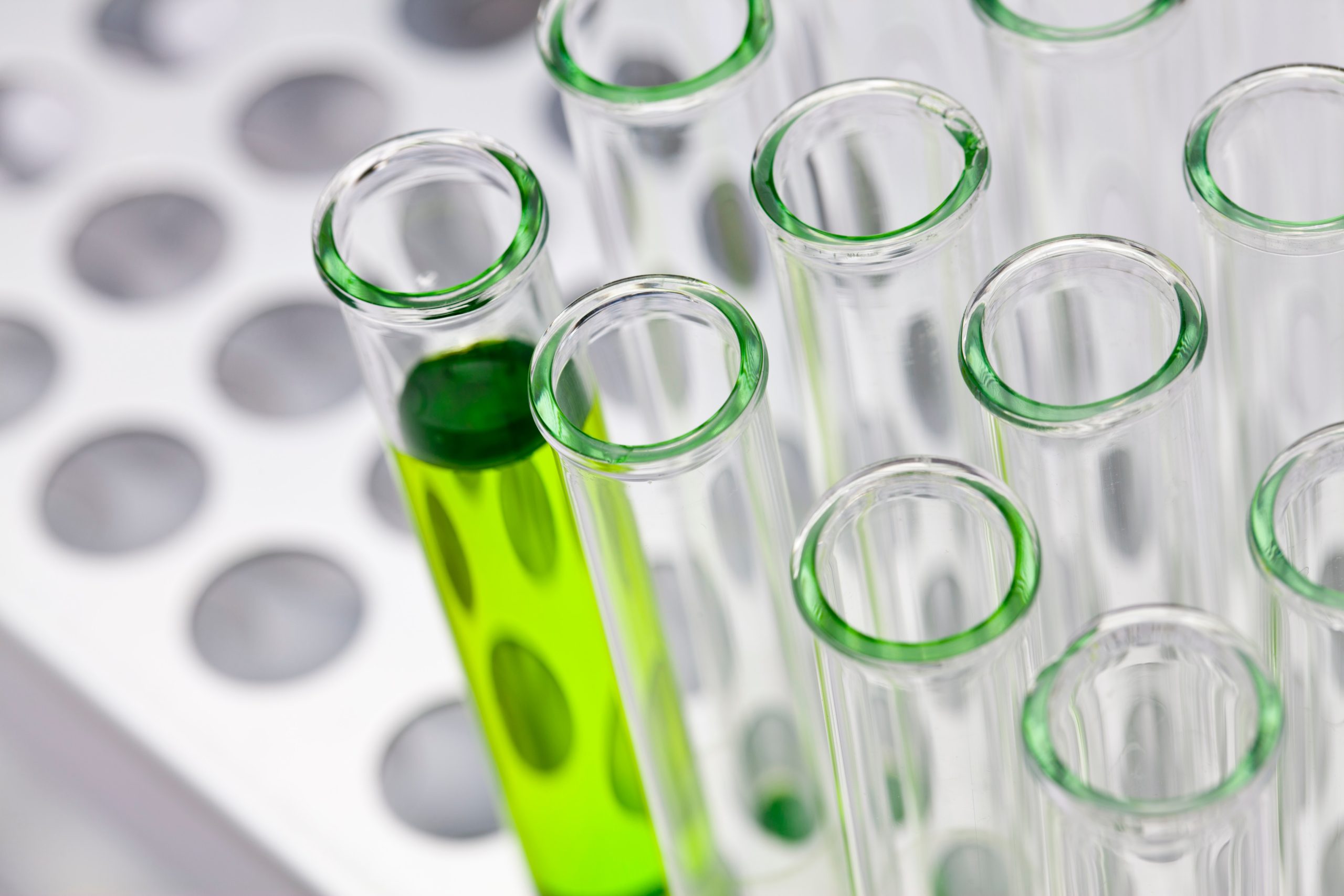
The bridges between technology and nature, the synthesis of molecular science and biotechnology, are changing our perception of naturalness which has undergone a process of transformation.
We have arrived at the Anthropocene: the age of humans; the current geological epoch reflects humanity's direct impact on the Earth.
The concept was coined in 2000 by the Dutch Nobel laureate in chemistry Paul Crutzen, and it is back in our attention thanks to Yuval Noah Harari in his book Sapiens.
Humanity's impact on the Earth is now so profound that experts have declared a new geological epoch, one in which the global connections that all living beings depend on are breaking down.
We are living longer than ever, our population is growing, climate change can no longer be denied, and biodiversity is shrinking drastically.
It is no surprise that biology has become one of the most important technology platforms of the 21st century, as we look for solutions so that our planet and we ourselves can thrive again.
Biotechnology and the new nature
Modern molecular biotechnology, that is, applying our knowledge of the genome to design organisms, offers new solutions to current challenges.
New solutions for Human Enhancement or for advances in the meaning of nature based on Green Tech, are the micro-trends of this new decade.
The synthesis of molecular science and biotechnology has given rise to a new perception of nature.
Constant technological developments and new findings in micro and macro biology show that the limits of nature no longer seem absolute. Nature is shaped by human hands.
For example, in July 2019, Elon Musk, founder of Tesla and other high-profile ventures, announced that he had tested a brain microchip in monkeys, allowing one of them to control a computer with its brain.
What are the drivers enabling this trend?
Technological advances, connectivity and biotechnology have provided a new way of perceiving and modifying.
People want to improve their bodies to boost performance or overcome their own limitations.
What should Dominican scientists learn?
- Smart Materials,
- Smart Prosthetics,
- Brain-Computer Interface,
- Nanobots,
- Bioelectronics,
- Medical Engineering,
- Bioengineering,
- Laboratory Agriculture,
- Genome Editing,
- Bio-Interfaces,
- Agricultural Technologies,
- Robotic Harvesting,
- Nano-Engineering
- and Terraforming
Technological innovations no longer represent an added prosthesis or extension, but are becoming an important part of our lives, amplifying our sphere of activity.
Modern molecular biotechnology and nanotechnology, neuroscience, and medical engineering offer deep solutions to today's challenges.
The genome and the new nature
Even the creation of new life is no longer just a grand idea but a reality. CRISPR/Cas technology *, for example, is a method by which the genome of living organisms can be edited.
This technology was used recently by China to sequence the genome of the Coronavirus, making it possible to test new treatments. Even the experiments that failed offered vital clues to guide researchers on where to focus.
Authorities must bring technology to bear on the main global challenges, such as hunger and pollution, and we must empower researchers to study closely the biotechnological solutions that will improve the lives of Dominicans.
Biotechnology has expanded to include new and diverse sciences and techniques to create products that help counteract the damage we have done to the planet and find solutions to our growing population numbers.
As an island, we must look to the future.
Martes Tecnológico of the Matutino de La 91.3FM, Santo Domingo.
Originally published in the newspaper El Caribe, March 6 2020.
Photo by Bill Oxford on Unsplash.