High percentage of the population without access to digital banking
In these days of national emergency, with health authorities constantly insisting that the best way to prevent the spread of the coronavirus (Covid-19) is to stay at home, hundreds of people crowd bank branches every day because of their reduced hours. This is despite the fact that the banks have asked…
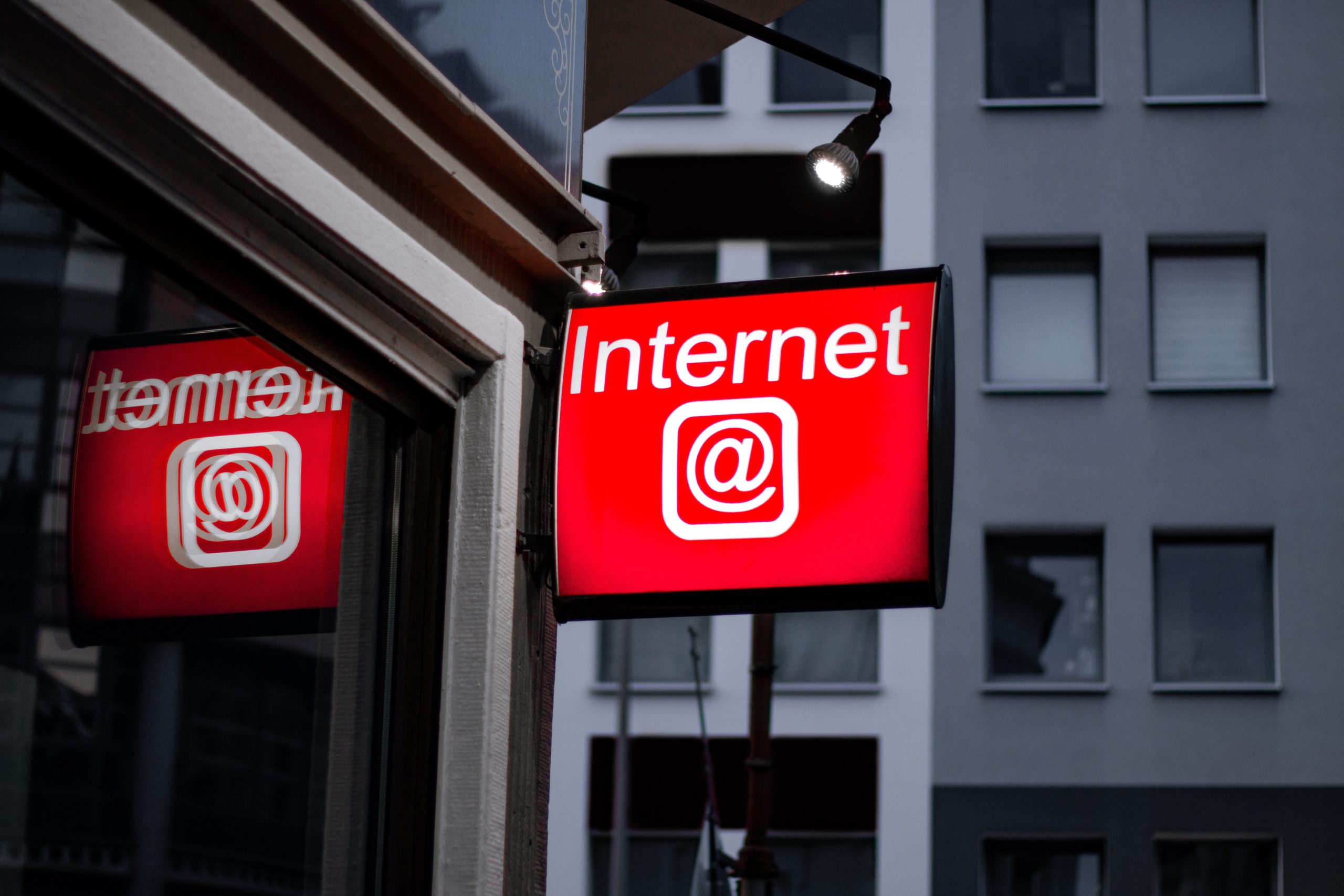
In these days of national emergency, with health authorities constantly insisting that the best way to prevent the spread of the coronavirus (Covid-19) is to stay at home, hundreds of people crowd into bank branches every day because of their reduced hours.
This is despite the fact that banks have repeatedly asked their customers to use virtual channels for their transactions. In fact, they have made it easier to do so.
However, although it was not possible to find the exact figure, a high percentage of the country's population evidently still does not use digital channels. Some because they don't like them, some because they don't know how to use them, some because they lack the means to do so, among other reasons.
Digital banking has challenges ahead
A study published in 2018 by the Association of Commercial Banks (ABA) states that in 2017 the percentage of the adult population that made digital payments in the country was 33%, a figure slightly below the Latin American average (36%), according to the publication.
Technology expert Arturo López Valerio states that currently only 40% of the country's population has access to digital banking.
To cite one particular case, at the close of 2019 79% of Banco Popular's transactions were digital, according to a note from the institution. That is, in that institution alone there is still a digitalization margin of 21%. The percentage of mobile transactions in the same year was 56%.
The expert states that although Netflix, Uber and other platforms are moving people to use digital tools, the same is not happening with their personal finances because “cash is king in the Dominican Republic”.
“I don't use them because I don't know how, and I like to go pay and get my little receipt”, says Bárbara Amador, a 59-year-old woman.
Figures
Central Bank data indicate that as of January this 2020 there were more than 4.7 million internet banking users and 1.1 million mobile payment users. However, it must be kept in mind that a single person may have accounts at several banks.
Reasons
Below are some of the main barriers to the digitalization of banking in Latin America, according to the ABA study “Development of Digital Banking in the Dominican Republic and Its Prospects”:
Connectivity: internet access and mobile data lack the quality and coverage needed for the development of banking products.
Financial education: low education levels among large segments of the population contribute to a lack of awareness and low use of financial services.
Fear of technology: discourages the use of financial innovations.
Use of cash: people prefer cash because they consider it more “secure”. Informal businesses also prefer it to evade tax obligations.
Published by the newspaper Listín Diario, 25 of March 2020
Written by Lilian Tejeda