Is internet connectivity an ally, as it is generally promoted?
If, at the turn of the century, someone had predicted that in twenty years human interaction would be mostly tied to connectivity; that basic purchases of food and medicine would be made through remote orders; that companies would seriously consider freeing their employees from office hours; and that it would no longer be a luxury…
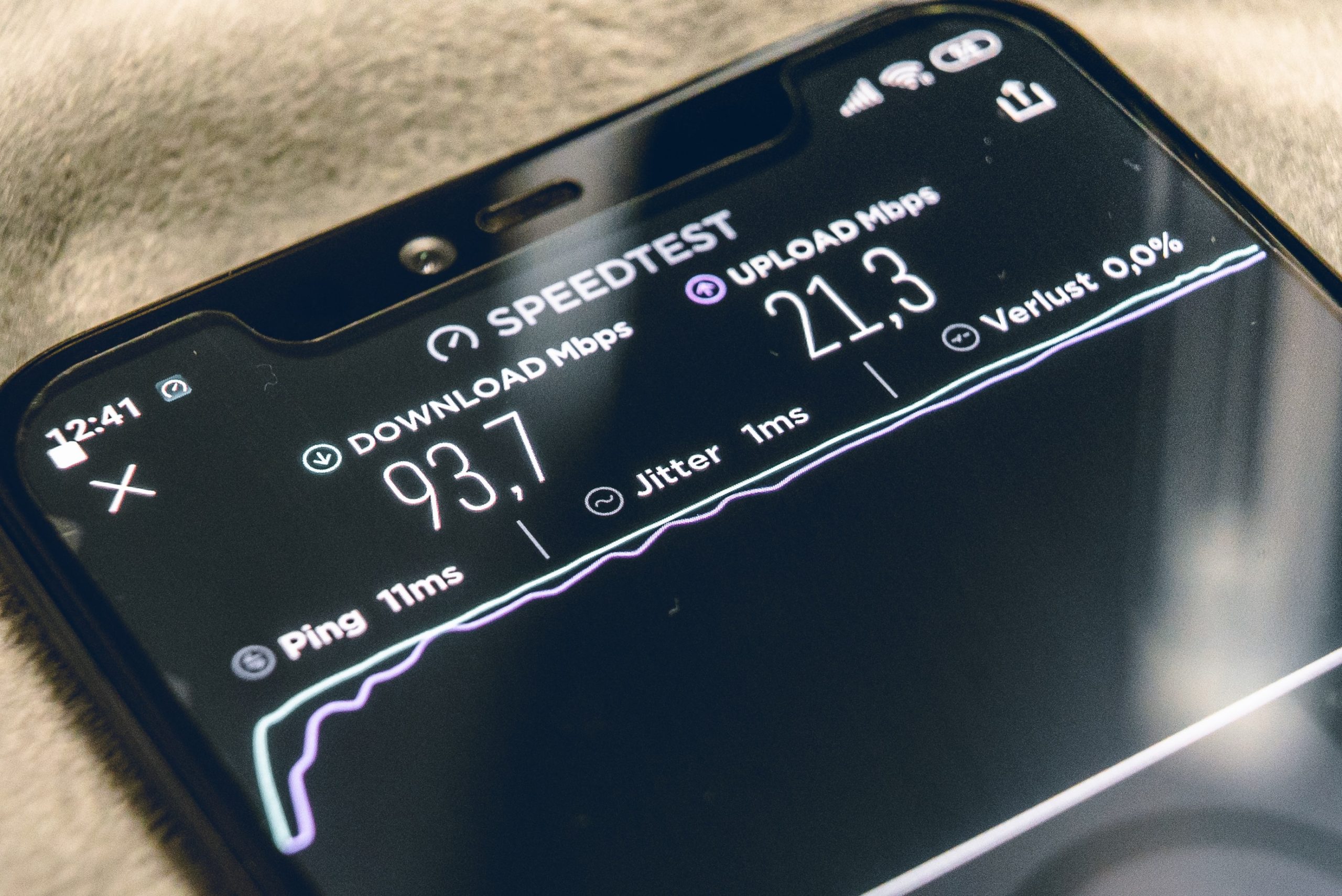
If someone had said at the turn of the century that within twenty years human interaction would be largely tied to connectivity; that basic purchases of food and medicine would be made through remote orders; that companies would seriously consider freeing their employees from office hours; and that having a computer and a connection at home would no longer be a luxury or “something for the rich”, that person would probably not have been taken seriously.
The world changed, only most people noticed somewhat late, and mostly because of the Covid pandemic-19 which has the singularity of having killed more than 171, 000 people around the world.
“As a company, we believed it wasn't possible— said Orlina Soriano, a business administrator, referring to remote work—, but we have realized that it is. In our case we have been able to keep the company at 90% of operation”.
Connectivity: accomplice or culprit?
Nevertheless, for many, connectivity and access to information have also meant a setback in how people decide to face a given situation, because of continuous access to repetitive information and a general lack of awareness of the filters that guarantee its accuracy.
Spanish psychologist Mario Sánchez states: “it seems to me that we no longer have access to the internet; it is the internet that has access to us and fills us with information. Unfortunately there are tendencies toward sensationalism, toward looking for catastrophes, and when these meet false information, people imagine the worst”.
He adds that it is a natural condition to be more sensitive to negative content than to educational content.
“Disinformation has reached new heights. Growing cynicism about the role of digital in political communications, together with deepfakes used by meme managers, artists and extremists to feed misinformation, makes people feel disconnected from truth and clarity”.
Arturo López Valerio, business technology advisor.
The psychological point of view
Most psychologists explain anxiety as a fear of the future. And in the middle of a pandemic, poorly managed connectivity contributes a great deal, as it is generally used (aside from leisure) to search for answers and solutions to the new social reality.
“Anxiety in this period will increase for two reasons. The first is that we have no control over what is happening to us, either economically or in terms of the pandemic. The second is death, which has always existed but is now closer, and it is as if we had finally become aware that people are going to die. These two threats open a door to anxiety”, explains Sánchez, who is a neuroscience researcher.
Given this reality, he recommends searching the internet only for what is educational and blocking any attempt, even journalistic, that leans toward sensationalism.
New consumption of connectivity
According to López Valerio, people are becoming more aware of mental health and adopting a more measured approach to their digital consumption. “They don't want to be disconnected from the internet; they just want a better relationship with it. In 2020, brands and companies will help consumers create and apply healthier digital habits”, he predicts.– advertising —
The technologist stresses that it is undeniable that connectivity is the foundation of current development, considering that there are 4.54 billion internet users in the world, with a penetration of 59%.
He therefore believes that brands and companies must learn to strike a balance: reach new customers with emotional content on public channels while building deeper relationships on private channels.
“The data are clear: customers want less corporate content and more meaningful connections on social media. While the rise of private channels is undeniable, public channels also remain key to brand discovery”.
In any case, whether the effect of internet consumption is positive or negative will depend on the kind of use made of it.
By Anyelo García, published in El Día newspaper.
Photo by Mika Baumeister on Unsplash