Contextual adaptation
We are a country in constant motion, and as the environment shapes an adverse scenario, we look for useful ways to adapt and keep up. For this reason, a new type of consumer is challenging the form and design of how people interact with information and content. Today, no matter where we…
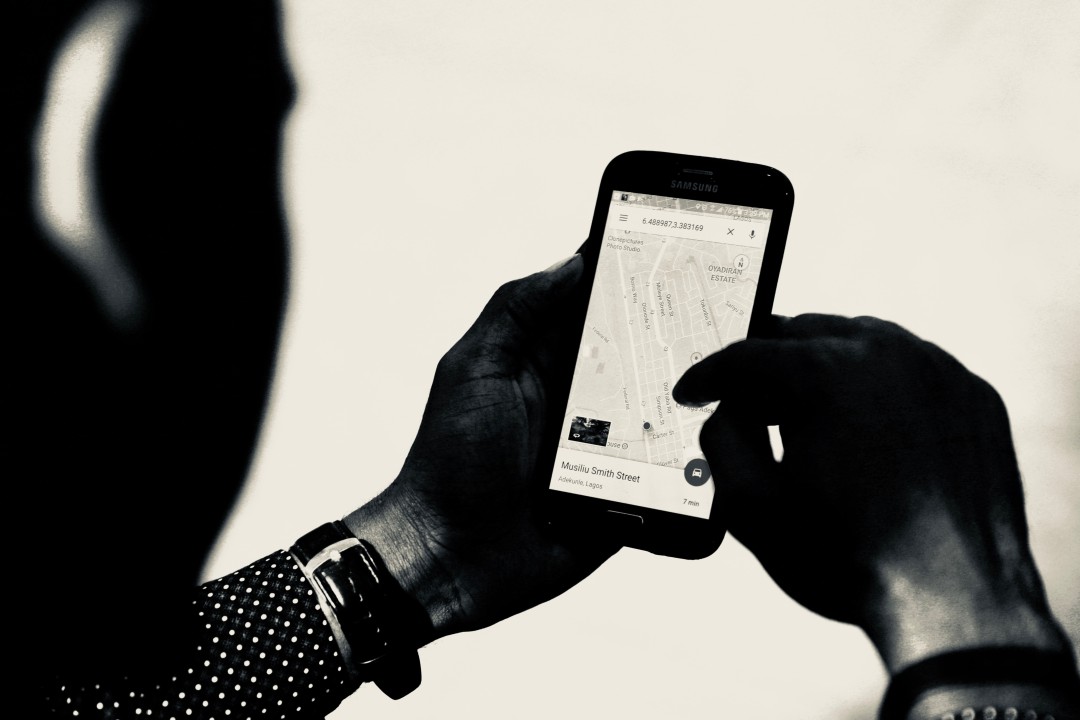
We are a country in constant motion, and as the environment shapes an adverse scenario, we look for useful ways to adapt and keep up. For this reason, a new type of consumer is challenging the form and design of how people interact with information and content.
Today, no matter where we are, we can all receive specific content according to our context thanks to location-based services, which use our real-time location data and provide us with services ranging from entertainment and information to simply finding the nearest ATM.
Smart cities
In the models of smart city, the municipality's sensors are leveraging a combination of user data, location, time of day and other related conditions to automatically deliver relevant information and experiences to people on their mobile devices.
An active smart city can understand the characteristics of target groups, such as age and gender; it detects moods and emotions through voice or face recognition, and does all this to meet personal preferences, personalizing the environment as much as possible.
Data, the oil of the future
Location data has become the fuel of mobile experiences, making them more dynamic, convenient and relevant for users. In recent years, Google has seen dramatic growth in “near me” and other mobile searches with local intent. “Near me” has become a new location name.
The location-based services market is seeing strong growth due to the rise of analytics and business intelligence tools. Its volume reached about 125 billion dollars last year, with governments and the transportation industry driving these technologies, each spending more than 28 billion dollars, according to the Digital Control report by the firm Tabuga.
Proximity marketing
Proximity marketing is a more granular form of location-based advertising and a cross-cutting part of smart cities' communication services, using technologies such as RFID (radio-frequency identification), NFC (near-field communication) and Beacons*.
The segments of RFID and NFC are expected to emerge as the fastest-growing technology segments, expanding at a compound annual rate of 42.1 percent over the forecast period of 2014-2025. Likewise, the global Beacons market is expected to register significant growth in the near future, driven by increased investment in proximity marketing, a forgotten topic in marketing communication agencies.
Available Beacons
Beacon technology has come a long and dazzling way since Apple first introduced it in 2013, and it is finally expected to gain momentum. According to a recent Global Market Insight report, the Beacon technology market is expected to exceed 25 billion US dollars in 2024, revolutionizing the way consumers interact with brands.
Although authorities have focused on camera surveillance and machine vision models, the future of citizen measurement is a mix of both; a customer walking through a shopping mall and passing a store can receive a note with a specific ad or special offer, and also a health or civil defense alert.
As a result, Beacon technology is said to increase engagement and enable a better user experience, creating an opportunity for the proliferation of business intelligence solutions B2B (business to business) and for smart cities, which will allow continued expansion of geofenced service offerings and products for end consumers.
This can catalyze a revolution in citizen services and a short-term opportunity to rebuild the eroded relationship between citizens and their municipalities.
*Beacons are small wireless devices that send signals over short distances, which makes communication between nearby smart devices easier. Beacons connect and transmit information seamlessly to smartphones and mobile devices, enabling personalized, location-based interaction.
Topic originally discussed in the segment Martes Tecnológico broadcast on the Matutino de La 91FM.
Published by La Super 7, the 6 of May 2020.