Virtual agents, great catalysts of change
Companies that start conversing with their customers will gain a competitive advantage, since they will learn faster with every conversation they have. Santo Domingo.- For technology entrepreneur Arturo Lopez Valerio, humanity stands on the edge of a future in which the companies a customer interacts with could know…
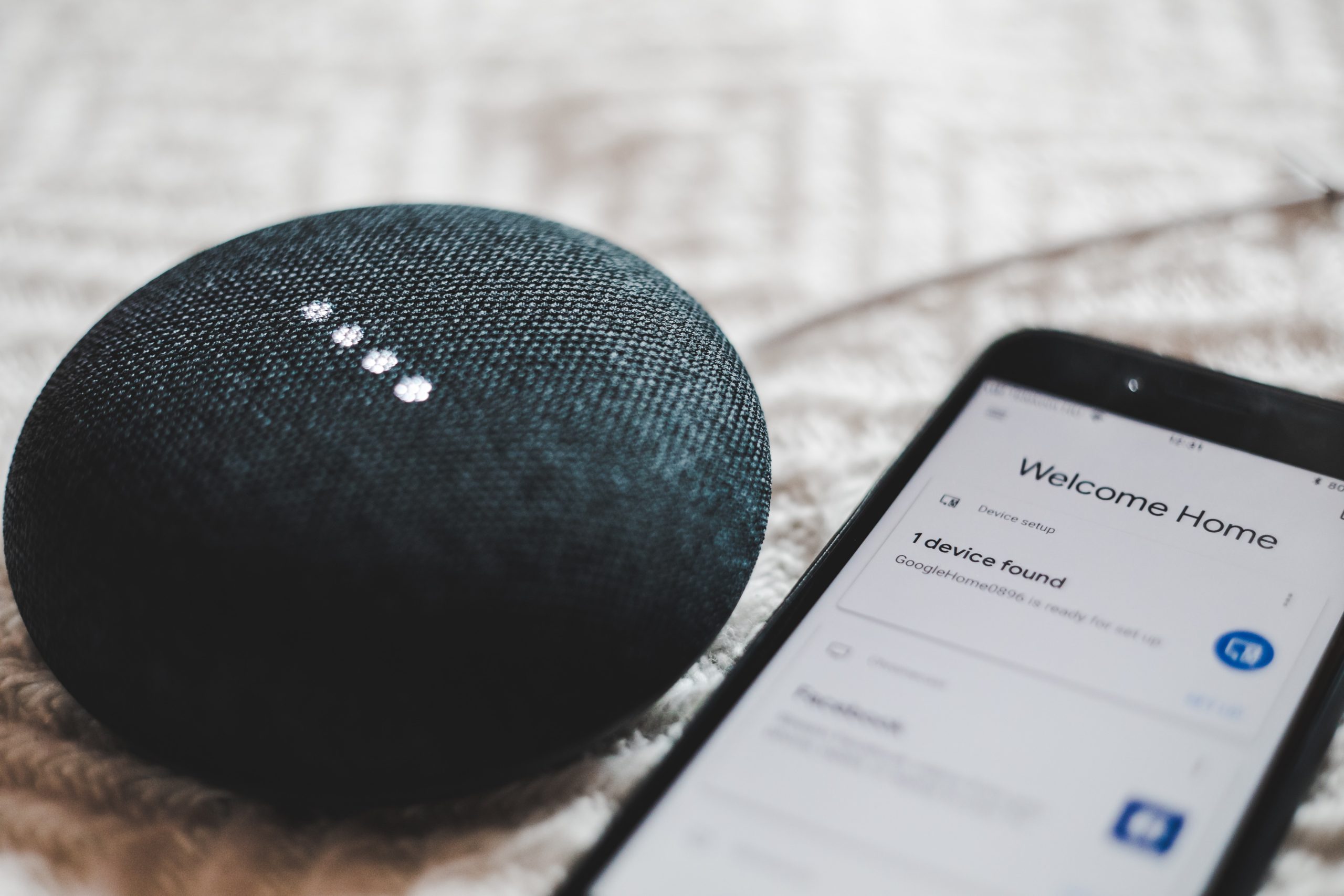
Companies that start conversing with their customers will have a competitive advantage, since they will be able to learn faster with every conversation they have.
Santo Domingo.- According to technology entrepreneur Arturo Lopez Valerio, humanity is on the edge of a future in which the companies a customer interacts with could know in advance what you want before you even get to call them.
During the segment “Martes Tecnológico” on El Matutino de La 91 on 91.3 FM, alongside Carlotti Peralta, López Valerio said that we are in the first steps of the so-called era of intention, which is a world where virtual agents run on artificial intelligence ((AI)) and are connected to a customer's complete past history.
This is made evident, Arturo explains, by so-called “chatbots”, which are virtual agents that currently serve to meet a customer's basic needs in an automatic, predetermined way.,
He added that these virtual agents can anticipate exactly what a customer is looking for, answering questions through chat, by phone and through smart speakers such as Amazon's Alexa.
These, López Valerio maintained,“will transform the business world with an efficient, scalable service that is available twenty-four hours a day, seven days a week and gets smarter every day”.
Considering that the current paradigm is to help users and customers find what they are looking for as quickly and easily as possible, the technology entrepreneur asks: “why not simply give them what they want?” This, he said, is where virtual assistants come in.
The era of intention and virtual agents
He referred to the book, The Age of Intent: Using Artificial Intelligence to Deliver a Superior Customer Experience, by P.V. Kannan, which describes a move toward a world where, by voice or chat, we will simply tell a company what we want and it will respond instantly.
“Chatbots with the right business intelligence, greater natural-language capabilities and the ability to connect with systems and applications will make the web as we know it today obsolete”.
Arturo López Valerio
Although this first stage has made observers skeptical because many chatbots have proven “clumsy” and “not very skillful”, what is expected with the transformation and progress is greater intelligence and effectiveness in the system behind the chatbot, so that it gives an adequate answer.
He stated that this can change faster than we imagine: as they become more intelligent and start connecting to APIs, “they will begin to deliver a much better experience than websites and apps”.
This is so not because chatbots are more patient than some humans, are available twenty-four seven, or can talk simultaneously with hundreds of people and lower customer service costs, “but because chatbots will significantly improve the experience that companies have with us”, Arturo continued.
How virtual agents affect brands
In the view of Lopez Valerio, the impression people have of a brand is tied to what they see on its website or mobile app. However, as the future of conversation arrives, the effectiveness of the brand's bot will be how people perceive the brand.
For this reason, he said, it is “extremely important” to address customer service problems, because voice channels will not be used exclusively for service or support.
He stated that one of the easiest ways to introduce layers of artificial intelligence through chatbots is to take advantage of the tools that employees in an organization already use.
Virtual agents and corporate memory
Lopez Valerio highlighted that there is a great opportunity for chatbots to become gateways to “knowledge management”. In fact, he said, at the consulting firm Tabuga these tools are called “corporate memory”, a problem companies have tried to solve using intranets “but where employees still struggle to find the information they are looking for”.
He noted that there are currently about 90 thousand virtual assistant devices (such as Alexa) in the Dominican Republic, and that by 2025 the number is estimated to rise to around 230 thousand units, according to a study conducted by Tabuga.
«As we get used to finding quick answers, we will start to prefer this form of communication over browsing websites or apps”.
P.V. Kannan.
In this regard, the role of portals will have to change “quickly” and become simpler, using only the information needed based on the user's behavior and previous conversations.
The tech entrepreneur suggested that we could reach a point where personal bots start talking to company bots and work together to resolve many of the things customers need, reaching a level of proactivity that helps with things like reminding us when to switch mortgages “or how to rearrange our schedule so we can truly enjoy our day”.
Published in CDN 37, 16June 2020.
Published in El Caribe, June 16 2020.