The technological advances that will help improve human health and quality of life
By joining devices and materials with biological powers, innovations are being created that serve as extensions of the user's body. Throughout history, the development of new technologies has offered dramatic improvements in our quality of life, to the point that innovations in this area no longer represent a prosthesis, but rather…
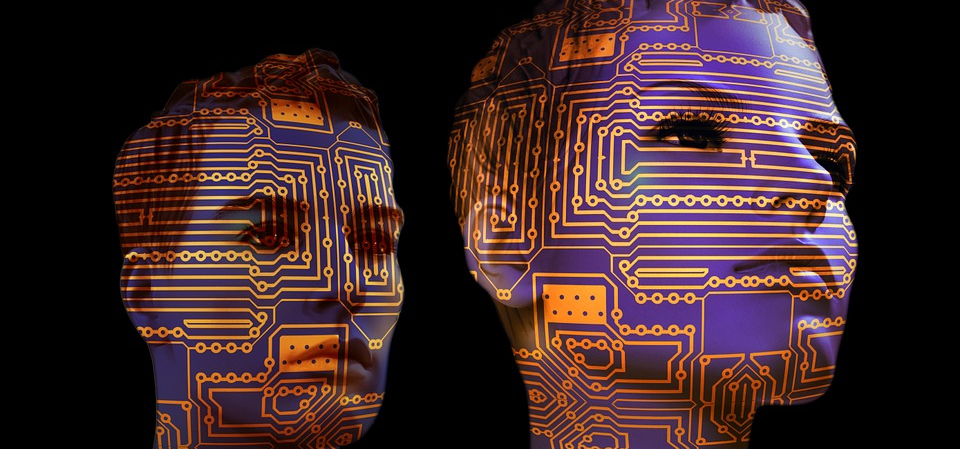
By joining devices and materials with biological powers, innovations are being created that serve as extensions of the user's body.
Throughout history, the development of new technologies has dramatically improved our quality of life, to the point that innovations in this area no longer represent a prosthesis, but are instead becoming “an important part of our lives and bodies”.
Human enhancement, however, does not mean erasing possible limitations of the body, but optimizing our bodies and minds so they work better, regardless of any medical implication.
Human enhancement beyond wearables
It is no longer just about self-optimization through wearables. The fact that genome sequencing is becoming more affordable opens up many possibilities:
With technology inserted into or applied to human bodies, the deployment of tiny nanobot nurses and DNA-bots in the veins, or “even custom-made microbes”, the use of high-tech prosthetic devices will help overcome the current limitations of our bodies, whether natural or artificial.
Temporarily or permanently.
Among the most visible trends:
- wearable technologies,
- tattoos,
- smart prosthetics,
- brain interfaces,
- nanobots,
- bioelectronics
- and medical engineering,
- among many others.
In the near future, the use of this technology in virtual games, as well as in home control and security systems, will further drive market growth.
Human enhancement across multiple markets
Other adjacent markets, such as adaptive clothing, are currently growing but “still underserved”. Even so, it is evolving in terms of its key features.
This is because a growing number of manufacturers are focusing on innovations that meet performance-enhancement requirements.
One example is the partnership between the Puma brand and the MIT Design Lab, which are developing biologically active smart shoes that sense how the user feels and then adapt to them.
Meanwhile, in Cupertino, California, Apple is designing smart shoes that could prevent foot damage and help users avoid injuries.
We should also not forget wearables that help improve the body's performance, such as smart watches and bracelets, and even hearing aids that not only monitor our health conditions but also improve our personal or biometric physical condition.
Microchips as a trend
Current use cases only hint at the extraordinary potential of microchip implants. In the not-so-distant future, these devices embedded in the skin will transform the way human beings share data, protect our finances and access places and services.
Another example of this reality is that doors could be opened and money transferred with a gesture of the hand, and critical information about a person's health status could also be stored securely to ensure the right medical treatment in an emergency.
Companies such as Biohax International flourish under an innovation-based ecosystem that at the same time fosters a free market, legal certainty and trust, aspects that public policymakers in the Dominican Republic still have to overcome.
Published in the newspaper El Caribe, July 15 2020