Education gap: 463 million students cut off from remote learning
As students around the world return to school after the summer break, the debate over whether in-person classes are a safe and sensible option during the COVID-19 pandemic continues. While those in favor of a regular return to school point out…
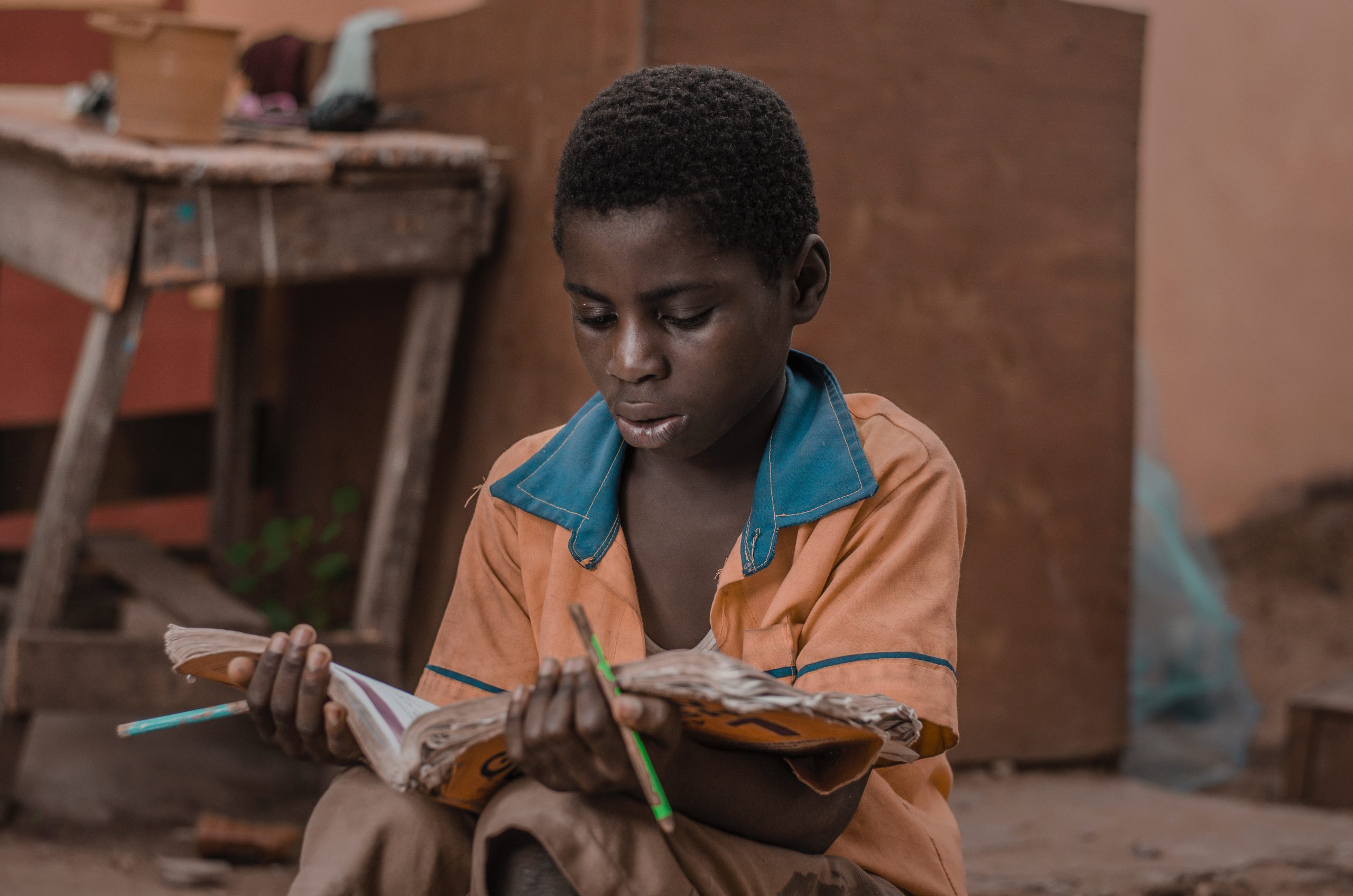
As students around the world return to school after the summer holidays, the debate over whether in-person classes are a safe and sensible option in the face of the COVID-19 pandemic continues.
While those in favor of a regular return to school point to the limitations of distance learning, others fear that the risk of students gathering in often poorly ventilated classrooms outweighs the benefits of in-person instruction.
And although the debate is loudest in countries like the United States, where remote learning is a real option, it is important to remember that much of the world does not have the privilege of arguing over the pros and cons of digital learning.
UNICEF report
According to a recent UNICEF report, at least 460 million students worldwide do not have access to remote learning programs, simply because they lack access to the necessary devices or infrastructure.
“Globally, at least 31% of pre-primary to secondary students cannot be reached because of a lack of policies supporting digital and broadcast remote learning, or a lack of the household assets needed to receive digital or broadcast instruction”, states the education gap report.
It says that Africa and South Asia are the least prepared for prolonged school closures.
The youngest students are the most likely to be deprived of distance learning opportunities, since two out of every three pre-primary students cannot be reached.
In purely numerical terms, the problem is most pronounced in primary school, where more than 200 million students around the world lack access to remote learning tools.
I wonder, have we quantified locally the number of children who will be disconnected this school year? The need to measure with new indicators the impact of the education gap in the country is becoming urgent.
Published in the newspaper El Caribe, September 7 2020