Chatbots in Education and the Future of Communication
Many of today’s students have grown up with technology literally within arm’s reach. As a result, they are experts at communicating through a personal device at any time of day. A prospective student might be browsing your website in the middle of the night and suddenly have questions that,…
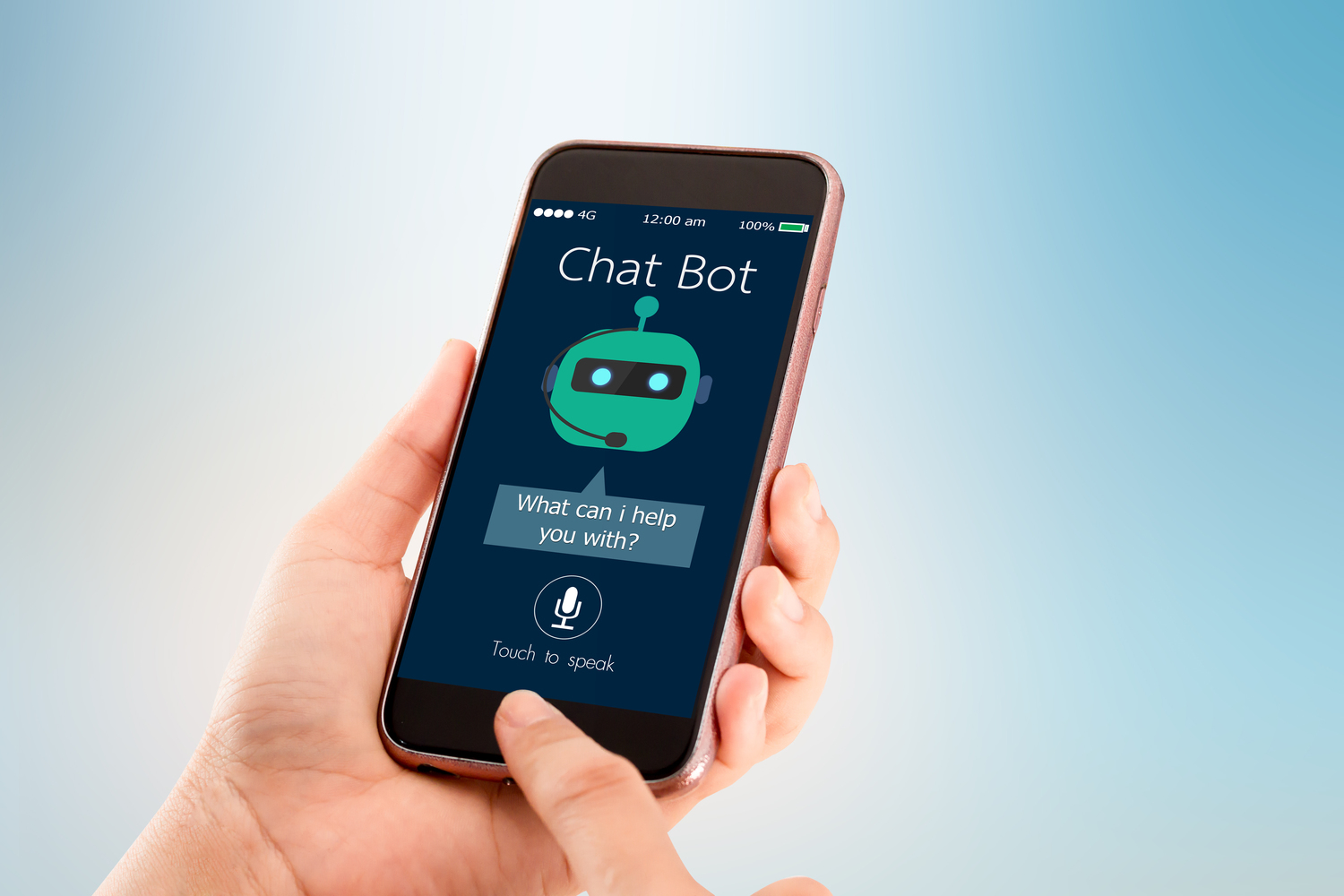
Many of today's students have grown up with technology literally within arm's reach. As a result, they are experts at communicating through a personal device at any time of day. A prospective student might be browsing your website in the middle of the night and suddenly have questions that, if answered while you have their attention, could determine whether they apply to your institution.
But if no one is awake to answer, you risk losing their interest altogether. To avoid this problem, we should apply one of the latest trends in communication technology: the chatbot.
When implemented effectively, chatbots give educational institutions an opportunity to improve communication with current and prospective students by providing quick and easy access to information.
This communication tool can also improve the student experience while collecting valuable data that helps institutions better understand students' pain points and concerns.
To get the most out of this technology, it is necessary to understand how chatbots work, as well as the role of chatbots in education and the types of data they can collect.
What is a chatbot?
If you have browsed the web, shopped online, or tried to contact customer service through a company's website, chances are you have seen a chatbot at least once. A chatbot is the small messaging icon usually found at the bottom right of the screen. With one click on that icon, you can ask a question at any time of day or night and get an immediate answer.
How do chatbots work?
Companies use chatbots as a messaging service to provide immediate answers to frequently asked questions. One of the latest artificial intelligence tools trending in the technology industry, chatbots are programmed software that can hold a conversation with users without the help of a human.
Chatbots are based on machine learning. As they receive more data, that is, questions asked by users, chatbots “learn”, changing their algorithms to provide more accurate answers to future users. If a user asks the chatbot a question it has not yet developed an answer for, the chatbot may try to redirect the user to ask a different question or hand the conversation over to a human responder, who will take over where the chatbot left off.
Chatbots in education
According to a recent global research study by NICE InContact, nearly 60% of Generation Z and millennials have turned to social messaging to meet their customer service needs. In addition, about 72% of Generation Z and 69% of millennials want companies to let users interact with customer service through social messaging apps.
These statistics point to a significant opportunity for educational institutions to improve communication with current and prospective students. Besides helping schools and universities meet the needs of this demographic, chatbots allow institutions to:
- Provide support 24/7
- Reduce response times
- Collect and monitor data
- Improve student satisfaction
- Automate tasks
- Chatbots improve students' access to information
Because they can answer students' questions at any time of day or night, chatbots naturally improve access to information for current and prospective students. Many educational institutions that use chatbots have found that students enjoy being able to ask anything, from questions about courses they are interested in to which restaurants are near campus. In addition, chatbots let students ask questions they might feel less comfortable asking another person, which is a step forward for detecting patterns that cannot be seen in distance or virtual education.