5G: the promises and challenges of the next generation of mobile networks
The fifth generation of mobile networks, or 5G, as it is known, has been one of the most talked-about and promising technologies, and also one of the more controversial. Last week the Dominican government promised to launch a tender for installing this network in order to close the digital divide. But before…
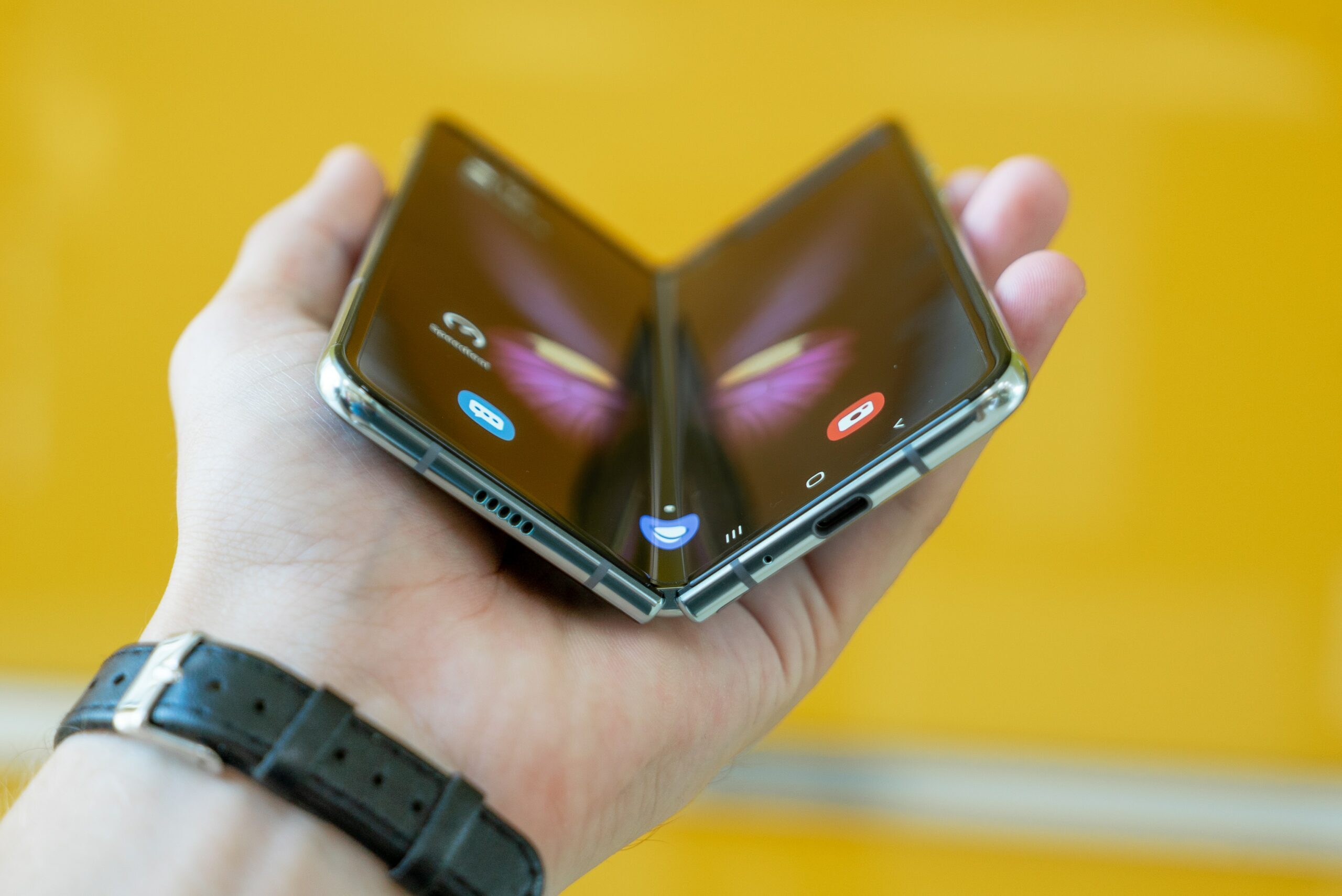
The fifth generation of mobile networks, or 5G, as it is known, has been one of the most talked-about and promising technologies, and also one with a certain degree of controversy. Last week the government of the Dominican Republic promised to launch a tender for installing that network in order to close the digital divide. But before that, we should look at some myths and realities of 5G.
What is 5G?
The so-called “5G” is the fifth generation of mobile networks and the evolution of the current 4G network. The importance of this network lies in its greater bandwidth and faster data transfer speeds, which are expected to reach up to 10 gigabytes per second, or about 10,000 Mbps. As for latency, it is estimated to be minimal, around 1-5 milliseconds.
Another of its great advantages is that it will allow a larger number of devices to be connected simultaneously, which will lead to the development of the Internet of Things (IoT). This means having more “smart” products that can connect to the internet.
Perhaps the greatest impact of the 5G network will be in healthcare, since it would make telemedicine and robotic surgery possible.
The challenges
Despite all the great promises of the fifth generation of mobile networks, it also brings challenges, such as the time needed to deploy the equipment and antennas to transmit the network, and the high cost involved.
One characteristic of the 5G network is that its waves are shorter and can be blocked by any obstacle; this means a larger number of antennas would be needed to implement it.
We also cannot forget that devices must be built that can take advantage of the high speeds of the new mobile network. Several chip-making companies, such as Qualcomm, Samsung and Huawei, have developed processors that can benefit from these speeds.
For Arturo López Valerio, a digital consultant, the need to upgrade and acquire equipment with 5G capabilities represents an economic challenge for Dominicans. For example, “imports of equipment such as smartphones are subject to a tax; so, if we want to structure a medium-term plan to enable 5G technologies, we must look to the digital economy and to the base of its pyramid, the citizens. We must make these technologies affordable, both for buying hardware and for paying service fees.”
The political battle over 5G
While it is true that the main beneficiaries of the new network's expansion will be users, it is no less true that the nations that lead this new technological revolution will hold a wild card over the rest. And the current economic battle between the United States and China has a technological component that involves 5G.
The reason is that, just as ordinary users can have a real-time connection, countries and their intelligence services can likewise use it for domestic and cybersecurity matters.
Huawei, a Chinese company, is one of the largest manufacturers of telecommunications infrastructure and one of those that has advanced the most in 5G technology, although the development of certain equipment depends on components made by Western companies.
The Trump administration barred American companies from using Chinese telecommunications equipment, citing fears of espionage. This was a heavy blow to Huawei, which saw not only its telecommunications infrastructure business affected, but also its mobile device business running Google's Android operating system.
Around the world, countries are choosing suppliers to implement 5G infrastructure; and the Dominican government's announcement of a tender for telecom operators puts the country in an interesting position, since the State has relations with both the United States and China. The former has warned its “allies” against buying 5G equipment from Chinese companies.
For example, in January of this year the United Kingdom had announced the purchase of 5G equipment from Huawei, but in July it announced the cancellation of the contract and a ban on buying equipment from the technology giant.
Myths about 5G
In an era when false information travels as fast as the truth, some news stories have stoked panic that 5G antennas cause cancer, and for a while it was claimed that they helped spread the coronavirus; the result was the destruction of antennas by followers of this fake news. The World Health Organization (WHO) has stated that there is no conclusive evidence that exposure to these networks can cause cancer.
Published in Diario Libre, October 13 2020
Written by Carlos Pérez Tejada