5G for a connected world
Mobile data is something many of us take for granted these days, yet the importance of open, global mobile communications standards should not be underestimated. It is thanks to these standards and technologies that we can enjoy ubiquitous, high-quality access to the mobile internet within…
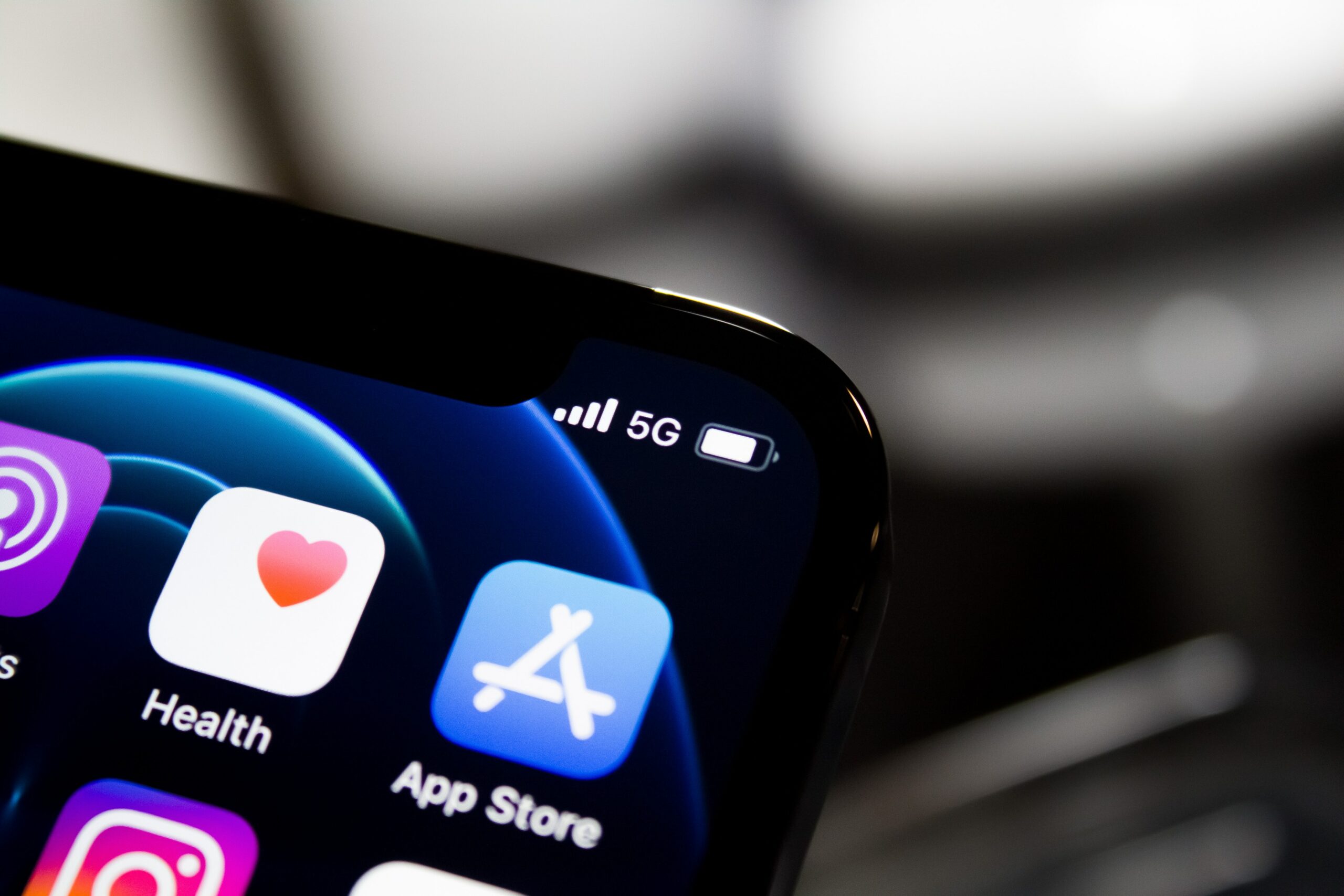
Mobile data is something many of us take for granted these days. Even so, the importance of open, global mobile communications standards should not be underestimated.
It is thanks to these standards and technologies that we can enjoy ubiquitous, high-quality access to the mobile Internet within our mobile societies.
5G, the new generation of mobile communications, was launched in 2019 and, as of May 2020, 125 countries around the world have begun investing in the technology. 5G networks are the latest 3GPP standard, with speeds between 10 and 100 times faster than 4G.
Largely thanks to this enormous increase in speed, 5G is expected to revolutionize mobile communications and enable the digitalization of many new aspects of everyday life.
The advantage is speed
Perhaps the most important point for future innovation is the ability of 5G technology to transfer massive amounts of data in real time.
5G could serve as the foundation for a «Fourth Industrial Revolution» and provide the connectivity needed for the smart cities of the future.
Beyond these macro-level benefits, this technology will also bring ease and efficiency to the lives of countless people around the world.
When analyzing the evolution of the 3G, 4G and 5G mobile technology standards across their entire lifespan, there is a lot of ground to cover, from the introduction of each standard to forecasts of its future growth.
Several dimensions must also be considered:
- Technological progress: the link between new technologies, such as smartphones and the Internet of Things, and the underlying mobile communication standards (3GPP), as well as
- Importance of mobile communication: striking data on mobile data penetration rates, affordability and time to market.
- Benefits of mobile connectivity for societies as a whole, and an overview of the opportunities that a digital transformation enabled by 5G can offer.
Global leaders
South Korea was the first country to have its own large-scale 5G network, and the country has already turned this head start into an advantage over other countries in the adoption of 5G.
GSMA Intelligence analysts expect this trend to continue and predict that 67 percent of Korean mobile phones will run on the standard by 2025, compared with 47 percent in China and Japan and 55 percent in the United States.
The countries expected to grow the most in their market segments over the next four years are usually those that, as of May 2020, already had providers offering commercial 5G contracts.
This applies to the places mentioned above, as well as to the Gulf states, which are expected to reach a 21% share of 5G subscriptions by 2025.
Although the GSMA report on the country-by-country 5G landscape in Europe has not yet been published, the company expects 5G adoption in Europe to reach 29 percent overall by 2025.
Steps toward 5G in the country
Indotel has started the process of auctioning frequencies in 700MHz and 3300-3460MHz, clarifying that it will be an International Public Tender. The concession and license to offer public (end-user and carrier) services nationwide, operating the radio spectrum in the following frequencies, will be put out to tender:
- 703-748 MHz paired with 758-803 MHz (A total of 90 MHz in the 700) band, which will be segmented into 9 blocks of 5+5 MHz (FDD).
- 3300-3460 MHz (a total of 160 MHz) which will be segmented into 16 blocks of 10 MHz (TDD).
According to the details of the bidding terms proposed by the institution, the winning bidders will assume a series of obligations linked to the licenses and the concession.
The licenses will run for the remaining term of the concession; for new entrants, the term will be 20 years.
With these actions, the Dominican State intends to make the Dominican Republic the second country in Latin America to hold this type of auction.
The 5G networkwill be a “big step forward” in terms of the digital network and competitiveness for the country, but we must keep in mind the challenges, still visible, of affordability and adoption among the population that «we uncovered» during the progress of the pandemic and the state of emergency the country is living through.
Bringing empathy to the impact on communities is the historic task of the communities themselves.
Connecting the realities of communications infrastructure with the human development map to produce real development for individuals and their families.
Published in Acento, January 11 2021
Photo by James Yarema on Unsplash