Digital migrations: the turn of WhatsApp, Telegram and Signal
Since last week, WhatsApp, a subsidiary of Facebook Inc., has been trying to contain the fallout from a privacy policy update. WhatsApp has published a new FAQ page on its website describing its positions on user privacy in response to the widespread backlash over an upcoming…
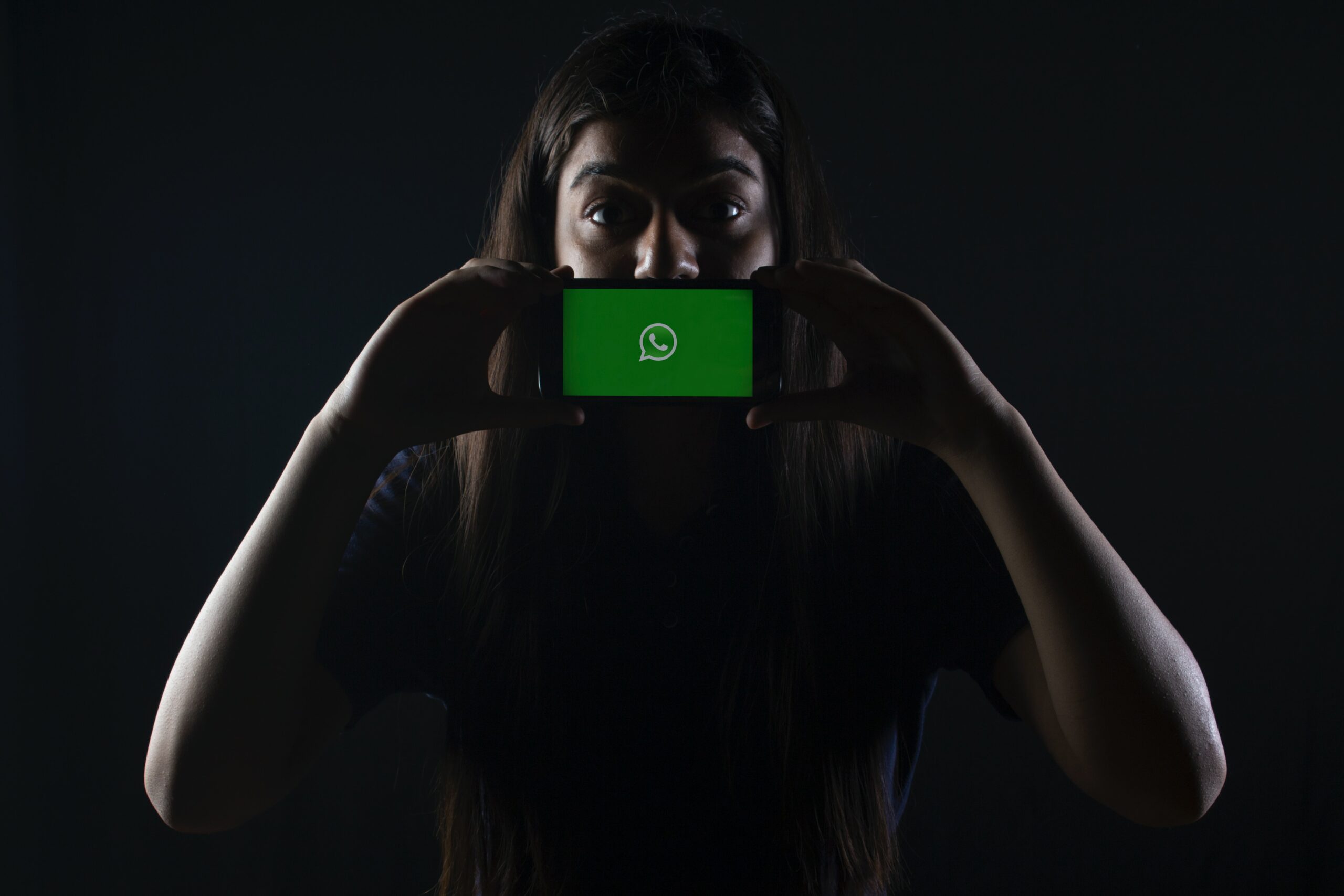
Since last week, WhatsApp, the subsidiary of Facebook Inc., has been trying to contain the fallout from a privacy policy update.
WhatsApp has published a new FAQ page on its website describing its positions on user privacy, in response to widespread backlash over an upcoming privacy policy update.
WhatsApp data policy
The main issue concerns WhatsApp's data-sharing practices with Facebook, and many users are worried because an updated privacy policy which takes effect on February 8 was interpreted as an obligation to share sensitive profile information with WhatsApp's parent company.
According to the parent company, the update has nothing to do with consumers' chats or profile data; the change is meant to describe how businesses that use WhatsApp for customer service can store records of their chats on Facebook's servers.
The company feels it must disclose this in its privacy policy, which it is now doing after a preview of the upcoming changes to business chats in October.
Infodemic on the charge
But a wave of misinformation on social media –infodemic, which was not helped by Facebook's abysmal privacy record and its reputation for burying changes in its various terms-of-service agreements, has resulted in a full-blown backlash against WhatsApp, with users fleeing to competitors such as Signal and Telegram.
Adding more tension to the matter, Tesla CEO Elon Musk recommended the competitor Signal to his more than 42 million followers. As the controversy has grown, Signal has become one of the most downloaded apps on Android and iOS –so far it has accumulated some 20 million users.
Telegram, currently number 2 behind Signal in the App Store, saw more than 25 million new users sign up in just the last 72 hours, reaching 500 million users globally.
It's late to complain to WhatsApp
A bit of irony in all this is that the data sharing WhatsApp users are so eager to avoid has probably already happened for the vast majority of people who use the messaging platform. The company let users opt out of sharing data with Facebook for only a brief period in 2016, two years after Facebook bought the platform.
After that, new sign-ups and those who did not manually opt out have had some of their WhatsApp information, mainly their phone number and profile name, shared with the largest social network for ad targeting and other purposes.
In the privacy policy change, the language on data sharing with Facebook was altered, which led many to believe that the new mandatory data sharing was a new change that could not be avoided, even though it has been happening all along.
The infodemic accelerated the confusion
“As part of the Facebook family of companies, WhatsApp receives information from, and shares information with, this family of companies”, reads WhatsApp's new privacy policy. «We may use the information we receive from them, and they may use the information we share with them, to help operate, provide, improve, understand, customize, support, and market our Services and their offerings».
All of this controversy can be attributed to users misreading confusing media reports, jumping to hasty conclusions and then engaging in alarmism on social media. It is an everyday effect of the infodemic that currently affects all information platforms –whether or not they are media outlets.
But it is also a reality Facebook must deal with that the lack of trust in WhatsApp is directly tied to years of bad-faith privacy promises from Facebook and increasingly complex terms-of-service agreements that no ordinary user who is not a lawyer can reasonably understand.
WhatsApp must overcome the trust crisis
WhatsApp has become a victim of Facebook's poor privacy reputation. It is no surprise, then, that users are flocking to an app like Signal, run by a nonprofit organization and kept afloat by donations and wealthy benefactors, none other than WhatsApp co-founder Brian Acton among them.
Locally, incidents of this kind should mobilize the digital economy sector to work on updating the Ley 172-13 on Personal Data Protection, so that it explicitly includes digital platforms.
The conflicts we see today are not specifically defined in the law.
User migration between digital platforms has been a common effect since online communities began at the start of this millennium. What should hold our attention are the effects of the degradation of citizens' privacy caused by the implicit deregulation of data services over the last 25 years.
Published in Acento, January 19, 2021
Photo by Rachit Tank on Unsplash