A Young Generation Focused on Climate
Millennials and Generation Z are shaping climate policy like no generation before them, with impact reduction becoming a strategic axis for national competitiveness. Climate change is quickly growing as a key issue for economic actors across the country, evident in changes in…
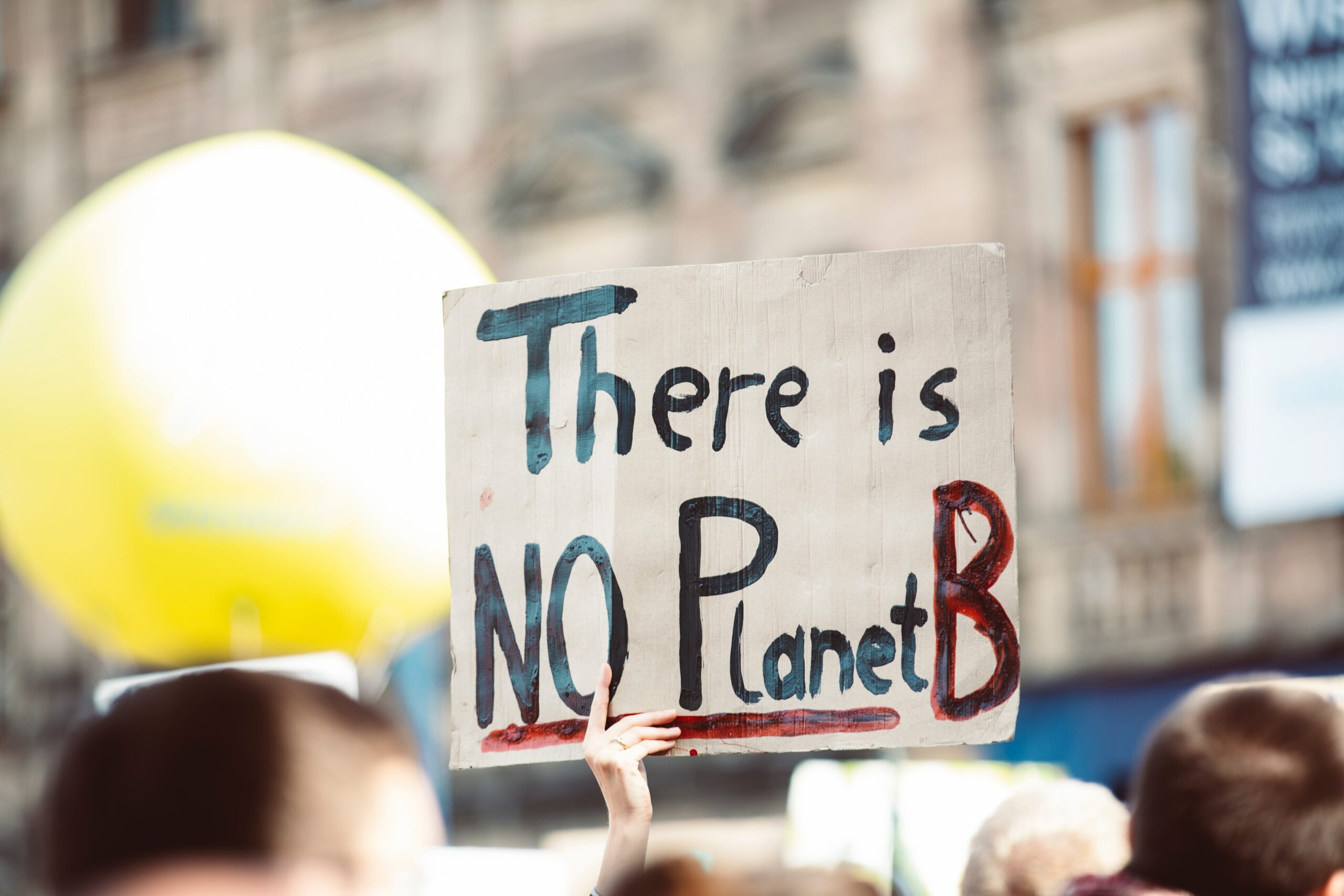
Millennials and Generation Z are shaping climate policy like no generation before them, with impact reduction becoming a strategic axis of national competitiveness.
Climate change is quickly growing into a key issue for economic actors across the country. It shows in the policy shifts of traditionally moderate sectors, as well as in the rapid transitions of energy companies toward clean alternative fuels.
New data reinforce the fact that this momentum in climate change awareness is driven by the sustainability goals of younger generations.
Concern about the climate
In the data collected by Deloitte in its latest Global Millennial Survey for 2020, a large share of Millennial and Gen Z respondents said they are focused on key environmental concerns within their own lives.
When it comes to single-use plastic, 64% of Millennials and 55% of Gen Z’ers said they take steps to reduce their use of it. Another 52 percent and 42 percent said they actively buy more local organic food, while 50 percent of Millennials and 41 percent of Gen Z’ers, respectively, said they have stopped or are reducing their purchases of fast fashion.
According to Bloomberg, TikTok stars and YouTube gamers are part of a new wave of young influencers promoting awareness of climate change. Millions of children and adults from younger generations tune in to live gamer streams and watch TikTok videos every day, and between games and other content, creators with hundreds of thousands of followers are speaking positively about climate-friendly actions.
In the era of big data and little privacy, these kids have been studied, analyzed and surveyed to exhaustion. We know, for example, that for most of those born between 1995 and 2000, climate change is the most vital problem of their time, according to an Amnesty International survey from last year.
Millennials are hopeful
The Covid-19 pandemic has made them more optimistic that it is not too late to repair the damage done to the environment, a conviction they share with millennials, according to Deloitte's 2020 Global Millennial Survey.
Roughly four out of five respondents think that companies and governments should make greater efforts to protect the environment.
The video game sector, which generated US$ 120.1 billion in revenue in 2019, is taking note. Twenty-eight companies with a combined audience of more than 970 million players have joined the United Nations Playing for the Planet Alliance, pledging to reduce emissions and build green elements into games.
Microsoft, which has pledged to remove more carbon from the atmosphere than it has emitted by 2050, is making its Xbox carbon neutral. Its direct competitor, Sony's PlayStation, has improved the energy efficiency of its upcoming PS5.
New trends
Our world today (the pandemic, extreme heat, unprecedented thaw and devastating wildfires) feels eerily familiar to those who have spent hours immersed in the digital, post-apocalyptic worlds of The Last of Us, Horizon Zero Dawn or the Fallout series.
According to data from the firm Tabuga, in the Dominican Republic reports some US$137.9 million for 2020, projecting growth of 13% by 2025. In parallel, some 5.2 million video game users were identified nationwide in the same period. It is projected that by 2025 the number will increase to 7.2 million users.
With the country's nascent entry into the eSports arena through the Federación Dominicana de Deportes Electrónicos (the Dominican Federation of Electronic Sports), the common interests of economic agents, professionals, beginners and players at every level in this new discipline are starting to be organized.
We understand that including environmental care among the themes of video games and electronic sports will help strengthen actions to reduce impact, further empowering the current generation to take part in the actions needed to mitigate the latent risk.
2021 is a year in which multiple concepts and activities will merge that for years were never seen as collaborators in designing policies that transform our society, the quality of life of citizens and the environment.
Published by Acento, 17 March 2021.
Original content for Ideas.do
Photo by Markus Spiske on Unsplash