Digital Human
The Digital Human is the individual who has understood the changes and has managed to adjust their consumption behavior, particularly in terms of adopting digital platforms. Similarly, this has also affected work behavior, driving an unexpected long-term change –not seen since 2005- one that has an impact on the…
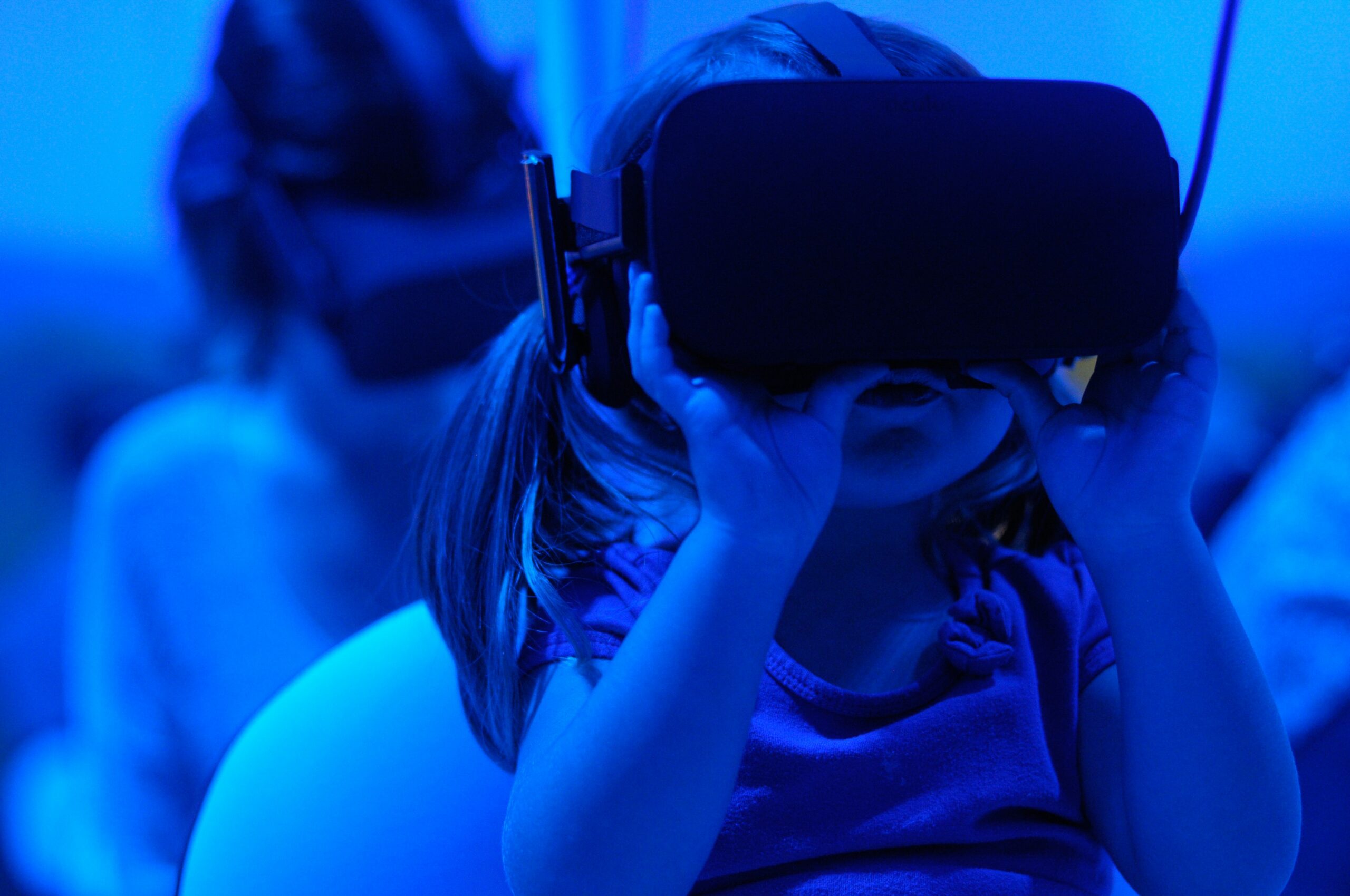
The Digital Human is the individual who has understood the changes and has been able to adjust their consumption behavior, particularly in terms of adopting digital platforms.
Similarly, this has also affected work behavior, driving an unexpected long-term shift –not seen since 2005- that has an impact on the economy.
Changes in the consumer
In this context, the fourth edition of the Digital Economy Report -published by the firm Tabuga- sheds light for the first time on the key challenges that COVID-19 posed to the global economy.
It then sets out to understand the changes in consumer behavior that the pandemic imposed on everyone, turning them into what they are today: digital humans.
To get a concrete idea of the phenomenon, household consumption had an impact across the whole digital ecosystem, reflected in a 44% increase in social media consumption; 67% started consuming more news content and 70% of respondents spent more time using their smartphone/mobile device.
There was also a 28% growth in video streaming subscriptions in the region, joined by a 80% increase on video sites such as YouTube.
The video game industry was not left behind, as game sales/downloads grew 39% in the United States. Online consumption and interest accelerated the adoption of «digital supermarkets», giving new oxygen to the flame of news media.
Measuring national websites
According to the TOP 100 Index of national websites produced by the firm Tabuga, as of February 2021 news media account for only 19.5% of traffic consumption in that group.
When we look at the TOP 1000 group, media consumption drops to 8.8%, while online public services maintain an average share between 25% and 30%.
It is striking that e-commerce sites have only a 1% share, and none of them ranks in the TOP 100.
This finding leads us to consider that the Dominican Digital Human is a social consumer. Therefore, their interaction when carrying out digital transactions depends on social networks.
Digital adoption
The social layer further complicates the adoption of digital consumption, because every digital merchant has an obvious intermediary, one that does not allow merchants to build their own audience.
Put differently, without social networks, these people have no customers. That is why you can hear the outcry and the tearing of garments when WhatsApp or Instagram has a technical problem. It causes a national paralysis!
The TOP 100 and TOP 1000 show us every day that the national digital ecosystem rests on third-party cross-cutting platforms and does not focus its strategies on building local capabilities.
Without that focus, national resources with technical capacity –also Digital Humans, have no reason to provide technical support to this market.
The current challenge for organizations is to serve Digital Humans well –roughly 4 million Dominicans, but at the same time, to convert those who are considered everyday citizens. This change will have an impact on citizens' quality of life, and at the same time, it will generate more customers for the national digital ecosystem.
Published by Acento Diario, May 3 2021.
Photo by Giu Vicente on Unsplash