Apple's ATT mobile standard threatens small e-commerce operations
With the release of Apple's iOS 14.5 operating system update, the tech giant from Cupertino, California, is changing the privacy settings of its mobile ecosystem. With the App Tracking Transparency framework (ATT) in iOS 14.5, a stream of data that app developers,… is switched off
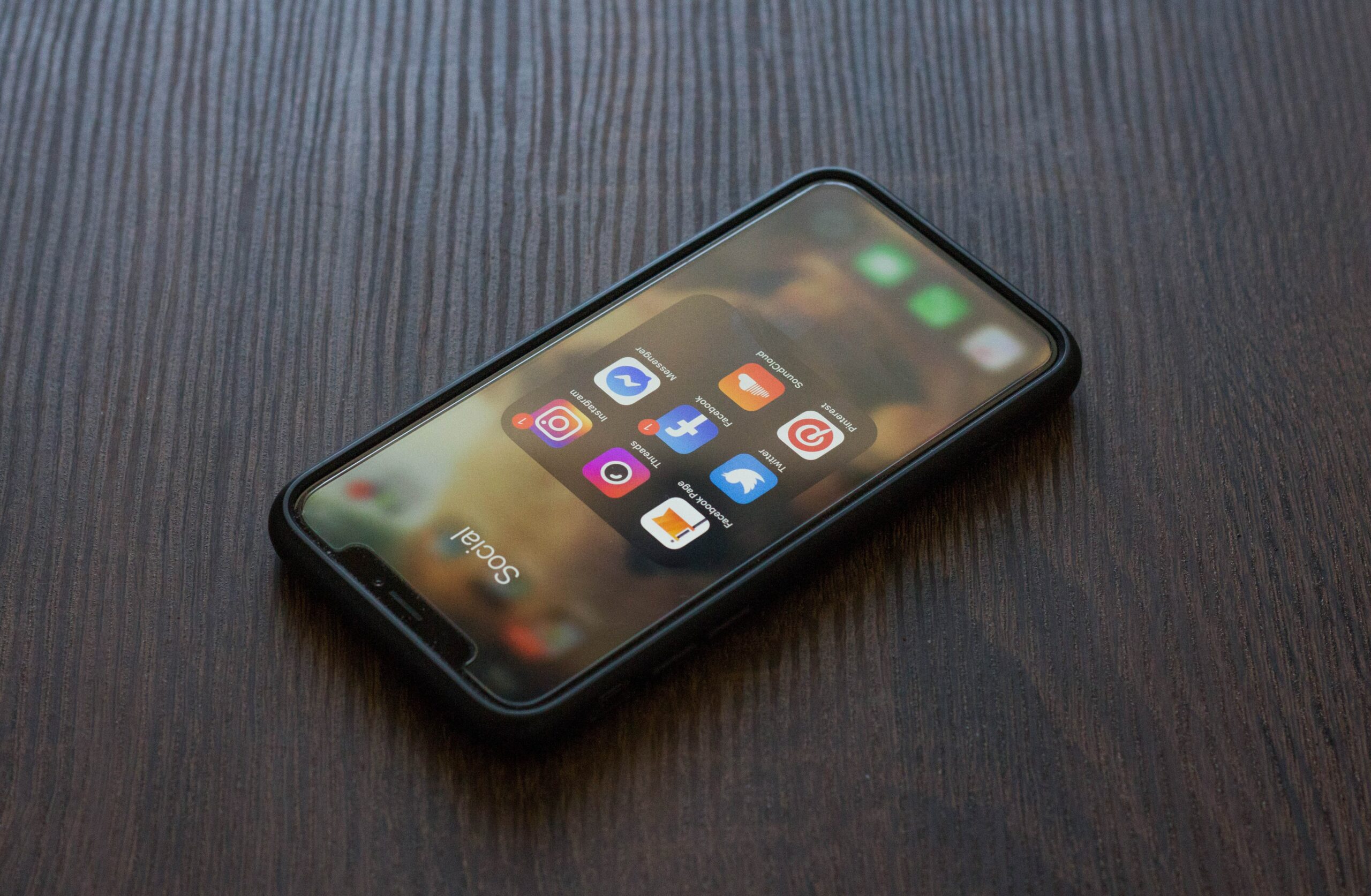
With the release of Apple's iOS 14.5 operating system update, the tech giant from Cupertino, California is changing the privacy settings of its mobile ecosystem.
With the App Tracking Transparency framework (ATT) in iOS 14.5, a stream of data is being switched off that app developers, measurement firms and advertisers have used to link user behavior across mobile apps and websites, a move that could transform the digital advertising industry.
The «Identifier for Advertisers» (IDFA) will be turned off by default on Apple devices. It gives app publishers access to user-level data, and users will have to grant apps explicit permission to access it.
Changes to privacy settings
From now on, apps will ask users, «“Allow [app name] to track your activity across other companies’ apps and websites?”» and, according to analysts at Harvard Business Review, opt-in rates are likely to be very low.
Apple's ATT initiative will deal a major blow to targeted advertising, which is crucial to the business models of online content publishers such as Facebook, Google and many media outlets.
Facebook has reacted by running a campaign in response to the changes in Apple's policies, this back and forth has been in the global press for months.
The tech giants have proprietary datasets accumulated over the years and can protect them in the long term. The dilemma falls on smaller companies, such as nascent e-commerce operations that depend on this targeted advertising model to reach their potential customers.
Apple's advertising ecosystem
With the rollout of ATT, Apple is reimagining –once again– the role advertising plays within its ecosystem. The move will allow the company to control app experiences and users' exposure to content more tightly.
It will also let Apple drive adoption of its own advertising solution: its in-house ad tracking services will use friendlier language than that required of third-party apps, introducing new ads in the App Store.
Its aim of establishing itself as a privacy leader may help strengthen its brand and have lasting positive effects on its hardware sales.
Facebook and Google respond
Facebook has recently been pushing for an amendment to the Telecommunications Act of 1996, as a ploy to keep Apple from closing its ecosystem. Under this premise, the tracking model for Instagram and WhatsApp would face restrictions on user privacy.
This may be the most significant change in the digital advertising ecosystem to date since 1996.
2021 is a year of change for digital advertising in general, from Federated Learning of Cohorts (FLoC) and the end of third-party cookies in Google Chrome to government privacy regulations such as the General Data Protection Regulation (GDPR) and the California Consumer Privacy Act CCPA point to a new privacy-centered era on the horizon.
Challenges in the country
This places a new burden on the newly catalyzed national digital ecosystem: advertisers and commercial communication firms need to learn to play by a new set of rules —and fast.
The path toward adopting digital industry standards has been taken up by organizations such as ADECC and its proposal to national media.
This is a good moment to see the challenges facing the global ecosystem as an opportunity to strengthen the national ecosystem.
Published by the newspaper El Caribe, May 20 2021.
Photo by Ochir-Erdene Oyunmedeg on Unsplash