Data: a guarantee of sustainability and resilience
The arrival of COVID-19 brought with it the development of what is known as digital resilience, a term that describes an organization's capacity to adapt to disruptions that may arise in the business, and that allowed many companies to keep operating with their workforce working from home. For the…
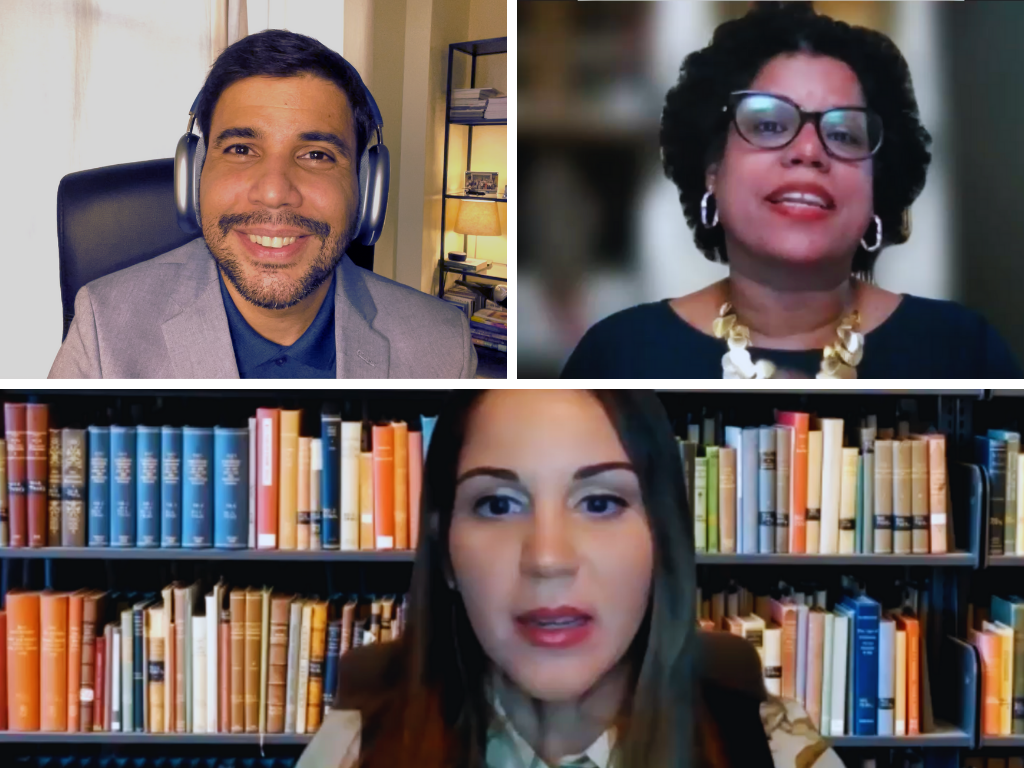
The arrival of COVID-19 brought with it the development of what is known as digital resilience, a term that describes an organization's ability to adapt to the disruptions that can arise in business and that allowed many companies to keep operating with their workforce working from home.
By 2025, humanity will globally create, capture, copy and consume a total volume of 181 zettabytes according to IDC, a product of the growing streaming era, (with players such as Netflix, Amazon and YouTube leading the list), and of the acceleration catalyzed by the digital economy.
For the technology entrepreneur and president of the Cámara TIC, Arturo López Valerio, this modern business context requires knowing what is happening, whether in real time or post mortem. Data science companies is to unify statistics and analyze data to understand and analyze real phenomena.
In a talk organized by the Dominican Chamber of Information and Communication Technologies, Ana Tavarez, author of the book “Ciencia de datos: Una guía práctica”, stated that in one minute on the internet about 200 million emails are sent and 1.4 million views are registered on Facebook.
As Tavarez, an economist and data scientist, explained, this was possible thanks to a timely analysis of the data, which allowed many organizations to monitor employees, partners and customers online, as well as decision-making based on that analysis.
On platforms such as Netflix, in just 60 seconds there is a record of 28 thousand subscribers watching content, on Instagram approximately 695 thousand stories are uploaded, and 1.6 million dollars are spent on online transactions.
“We see great potential in the online market; data can help create strategies and get to know the business. It is necessary to understand what is happening in the market in order to make decisions based on that”, Tavarez stressed.
In our country, the Oficina Nacional de Estadísticas (ONE) has tools that provide companies with the data they need to have the right information at each stage of their business development, as stated by Miosotis Rivas, director of that entity.
Rivas, who also took part in the discussion “Datos como combustible de negocio», explained that these tools are the national population and housing censuses, the directory of companies and establishments, the national survey of economic activity, and everything related to foreign trade.
“At each stage of a business's development, all the data that ONE makes available can be cross-referenced. When I have a business idea, I can ask myself questions such as who is near where I would set up my business, in order to characterize the population I would reach”, she stressed.
According to a Hootsuite report for the current year, our country registered 18.6 million cell phones, that is, about 2 cell phones per person; 5.9 million Facebook users; 56.9 % of the population has a bank account, and online purchases registered approximately 952.4 million dollars.
Managing this data allows businesses to assess their target market, plan strategies and be more responsive to their customers, but this requires greater investment in infrastructure, in machines dedicated exclusively to data processing, and in properly qualified and trained technical staff.
Published by Cámara TIC, August 2 2021.