Working in the metaverse
Imagine a world in which you can have a conversation on the beach with your colleagues, take meeting notes while floating around a station…
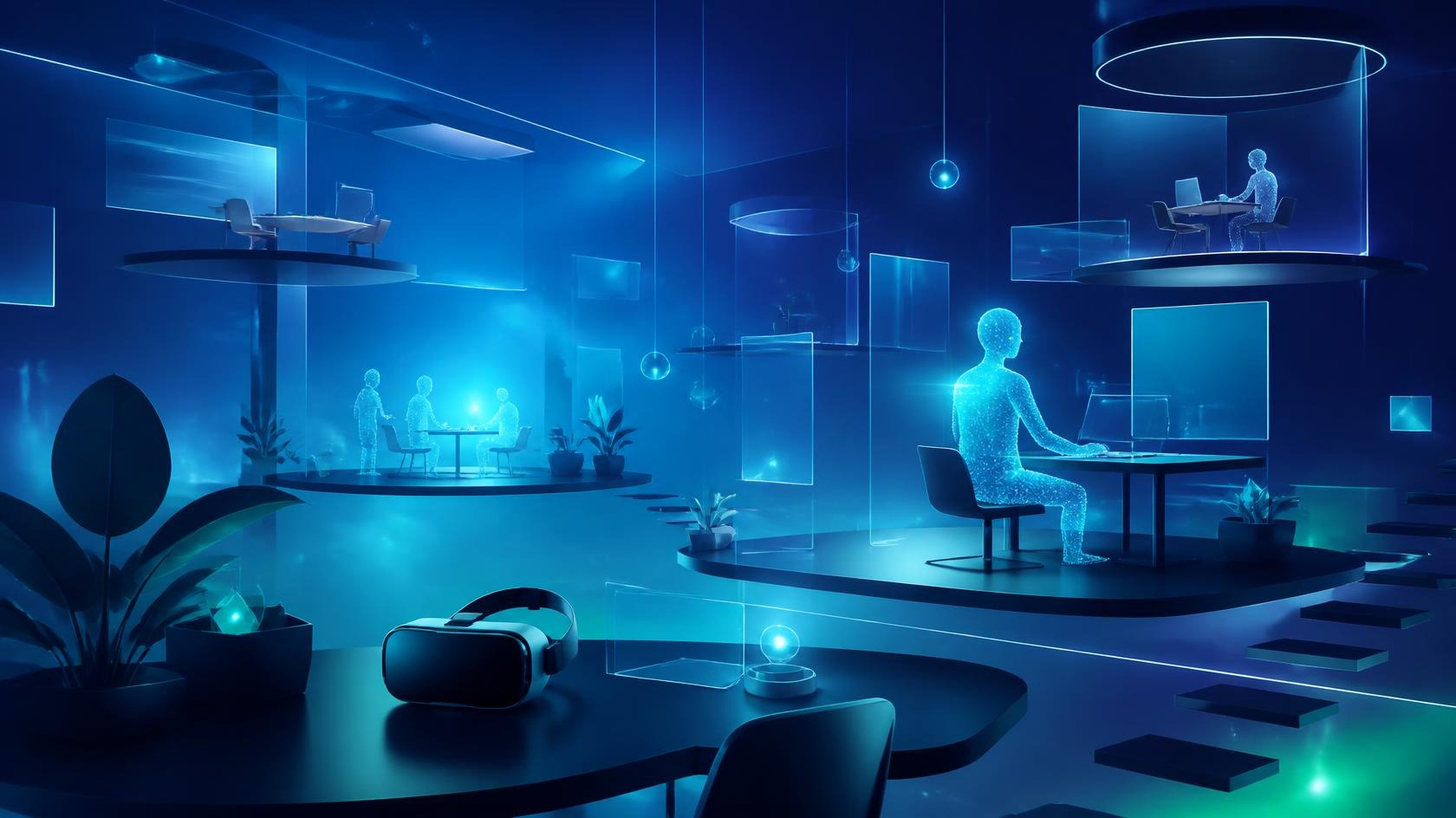
Imagine a world in which you can hold a conversation on the beach with your colleagues, take meeting notes while floating around a space station, or teleport from your office in Santo Domingo to Punta Cana, all without taking a step outside your front door.
These examples offer only a glimpse of the future vision of work promised by «the metaverse», a term originally coined by author Neal Stephenson in 1992 to describe a future world of virtual reality.
According to Mark Zuckerberg, founder of the social network Facebook, «virtual reality was once the stuff of science-fiction dreams. But the Internet was once a dream too, as were computers and smartphones». It is a dream that generations have pursued, and advances in computing and digital business models now bring it closer than ever thought possible.
The metaverse promises to bring new levels of social connection, mobility and collaboration to a world of virtual work. On immersive platforms such as Next Meet, Evveland and Pixel Max, employees' digital avatars –visible or not, can enter and leave virtual offices and meeting rooms in real time, walk up to a virtual help desk, give a live presentation, relax with colleagues in a networking lounge, or stroll through a conference center or a virtual exhibition.
One immediate impact of the metaverse is on ease of comprehension. For example, if you are onboarding new colleagues and show them or hand them a PDF document to introduce the company, they will usually lose focus after 10 minutes. They learn more by walking through a virtual room than by reading a document.
From now on, organizations should think about creating immersive workplaces designed to improve team cohesion, employee well-being and collaboration. These virtual workplaces, which are accessed through a web-based system on your computer and require no headsets, can include features such as:
“Encounter” experiences: Immersive technology that lets you see your colleagues' avatars in real time, making it easy to stop them for a chat when you run into them in the virtual workplace. Informal, spontaneous conversations account for a large share of business communication (research from the Tabuga Digital Economy Report suggests that it reaches as much as 90% in areas such as R&D) and that during the pandemic much of this vital communication was lost.
Well-being spaces: These are areas dedicated to letting users of the world take a break and experience something different. Create well-being areas designed as forests or aquariums, or even employees could be on the moon. These areas can hold on-demand content, such as guided meditations and/or exercise classes.
Virtual orders in your physical space: Companies can add features such as the ability to order takeout food, books and other merchandise within the virtual environment and receive them at their physical space or another location.
Real-time tracking: Just as in the physical workplace, you can walk around and get that panoramic view of the office environment. Supervisors will be able to see where their colleagues are and who is free for a quick chat, and so on.
Metaverse-based work is a trend that will match the virtual experiences that workers, particularly younger ones (Generation Alpha), expect from technology as part of their digital consumer and gaming life.
Originally published in El Nuevo Diario.