Digital taxes and the disappearance of digital SMEs
https://www.youtube.com/watch?v=-81TodfY-uU&list=PL3rigUZ7nlY8NnjxprFidbhY5TDizs4Y1&index=95 Transcript of the interview on ZOL FM, 17 July 2022. Samuel Sena: This afternoon we have a very special guest, special because he is a specialist in his field. Welcome Arturo López Valerio, tech entrepreneur and president of the Dominican Chamber of Information and Communication Technologies (Cámara TIC).…
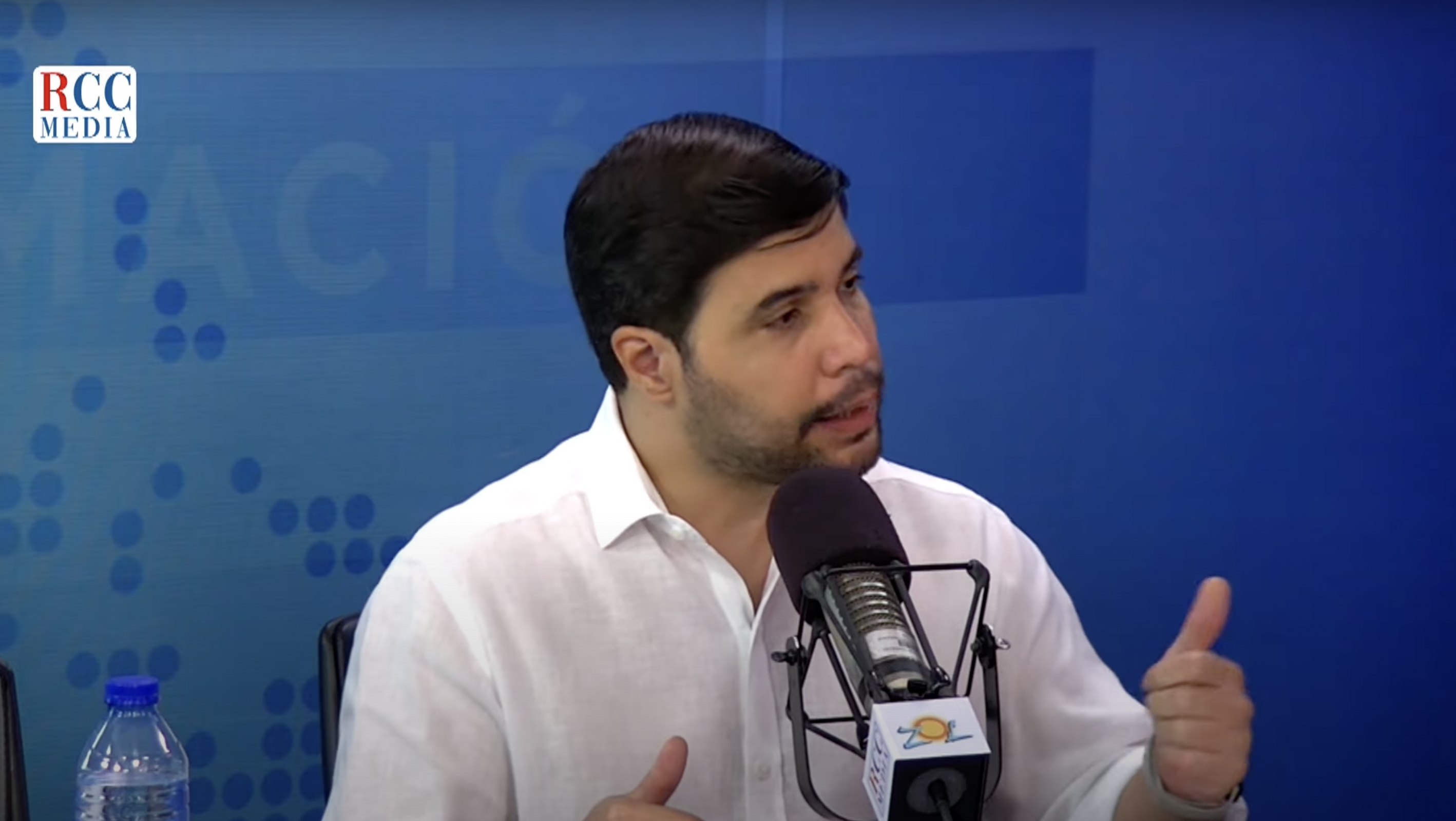
Transcript of the interview on ZOL FM, 17 July 2022.
Samuel Sena-
This afternoon we have a very special guest, special because he is a specialist in his field. Welcome, Arturo López Valerio, technology entrepreneur and president of the Dominican Chamber of Information and Communication Technologies (Cámara TIC).
Let's get straight to the main topic, the one that concerns us, especially those of us who are part of a middle class that keeps getting hit, but you will have the explanations.
This week we saw the director of Internal Revenue, Luis Valdez, speak about taxing internet platforms, and specifically Airbnb, the vacation rental platform, adding that the intention is not to tax consumers but the platforms. What is your view as a specialist?
Arturo López Valerio-
Thank you, Samuel, for the invitation.
To give the audience some context: the state still has no legal framework that correctly defines what a platform is, and this is dangerous. To begin with, we don't have an updated legal framework, starting with the telecommunications law, which doesn't mention the internet. We need one to be able to regulate platforms, and not only to add taxes but to build the capacity to create a national technology hub. We need consumption that attracts these tech giants to this platform and brings them to set up in the country. Yet the tax, or the threat of taxes that we have had since 2018, only discourages them, which is the opposite of what we need.
If we are betting on technologies, we need to create incentives; not subsidies, incentives. That is, citizens, entrepreneurs and microentrepreneurs should know that they are paying taxes but that there is a system that supports the creation of a value chain, and therefore not a decline in the quality of life of citizens and the ecosystem but growth. What we want is to accelerate the economy.
The DGII is working on and emulating the Mexican regulatory framework, but it is bringing over only the taxes and not the channels that help speed up and make growth more efficient.
From this perspective, we understand that a regulatory framework must exist. Deputy Orlando Jorge Villegas is working on a special digital economy law for this very purpose, because we need the tools.
We have to remember something: the development of technologies in the country, in terms of citizens' growth and building a future for them, comes through mobile telephony. It isn't through fiber, it's through mobile. As 5G keeps growing there will be more development, because 4G will get cheaper, mobile technology moves faster, and access for people becomes democratized.
I believe the OTT sector must be transformed. We cannot keep defending old models because they don't help democratization. On one hand we want to provide subsidies and give away internet; on the other, the development that this same access produces cannot be paid for.
In the case of platforms that affect a regulated industry such as tourism, like Uber and Airbnb, the conflict is evidently not with the platform but with local linkage. But the OTT conflict of Netflix is not the same as that of Airbnb, because what is alleged is that there are situations occurring with the rentals. That is, the platform brings the tourist, but there is no regulation of what happens in the apartment. The problem is not the digital platform.
Samuel Sena-
In fact, I saw an Airbnb announcement, and I think it's worldwide, not just the Dominican Republic, where they wanted to suspend or ban parties.
Arturo López Valerio-
Correct, that is the problem, and it obviously affects the country's image. It is a preventive measure in a regulated industry and we understand it. I have always said that tourism is the industry that has best applied technology to attract tourists, and there is a supply-and-demand issue in the sector. Independent supply – regulated supply, but it is not a platform issue.
When the DGII talks about platforms, it is lumping everything together, and from the Cámara TIC we understand that there must be a classification that the DGII does not have. Second, it is unconstitutional to introduce a tax this way, because taxes have to come through law and digital platforms have to be defined: not the digital economy, but digital platforms.
On the other hand, speaking of the 3er context, which is the one the Cámara TIC deals with, there is a local linkage backed by the national strategy for the export of modern services launched by the Ministry of Industry, Commerce and MSMEs, in which the Cámara has taken part, and which defines technology MSMEs. We don't produce technologies. There are giant technology companies that establish domicile here, but they are not the ecosystem. There is more software in the world, and these companies buy software abroad.
If we take the Tax Directorate at its word and sweep in all of these platforms, there will be a problem, because national digital linkage will become more expensive. As a result, a technology MSME will deliver a more expensive product, a more expensive service, to the market, and we lose globally. On one hand we want to raise money, but on the other we have digital exporters who will be affected because everything is being thrown into one bag.
Each case has to be examined, because everything runs on technology, nothing is analog, and we cannot impose a sweeping, cross-cutting tax on technology. In terms of social impact, the effect will be the opposite of what is intended, because it will discourage the market.
Samuel Sena-
What is the Cámara TIC's actual position on taxing digital platforms? Do you agree or not?
Arturo López Valerio-
Answering as a consultant, it depends.
It depends on whether there is a real classification that shows which sectors are regulated and need the tax, and also which sectors need to be incentivized to generate consumption, so that this leads to companies establishing their domicile in the country. The Chamber, first of all, wants the economy to grow through technology, and the only way to do that is for the state to receive revenue.
There is a reality we have discussed and that we believe is strategic for the country to take into account, but since it lacks the vehicles and the legal framework for it, the country ignores it: because of the pandemic, we have a rapidly growing number of professionals who are leaving the market, whom I call the invisibles. They pay their ITBIS, they go to the supermarket, but they are not in the market because they work remotely.
The DGII's approach, trying to bring about domiciliation or force it, on international entities such as the platform, is going to suffocate and drown the digital SME. If that is destroyed, talent will have more arguments not to stay and work in the country, and when I say not to stay, I mean in terms of resources and labor continuing to work here.
We understand that the tax has to be a coordinated instrument and that the conversation is necessary. We have to classify the digital industries and know who is going to be taxed.
I think we are at an important moment for the country. We have to raise a lot of money for 2025 as a nation, and we have to prepare so that talent stays, becomes entrepreneurs and invests in the country. I think this effect is not being calculated that way: the approach is a revenue-collection one, not a development one.
Samuel Sena-
Arturo, turning the subject 180 degrees, to the so-called “Bots”. So, what is this? What is the concept and how does it affect the social media ecosystem?
Arturo López Valerio-
The name “bots” comes from the accounts that emerged on Twitter that were automated and gave mechanical replies. In the Dominican market they are not bots but accounts, which in our consulting firm we define as targeted-interest accounts. That is, they don't only have a political interest; as the political structure has been dismantled, they have a business interest, that is, they attack industries.
We have an observatory of targeted-interest accounts, where we know each account's interest, not only political but at the level of industries and brands. That said, in the end these are operated accounts with a scripted line, and they don't disappear; they change owners.