Artificial Intelligence: Ethics Is the Key to Progress
Artificial intelligence (AI) is a technology that is transforming the way we live and work, changing the business and education worlds, but it also poses social, ethical and legal challenges. According to a report in The Guardian, Australian universities have been forced to change how they administer exams and…
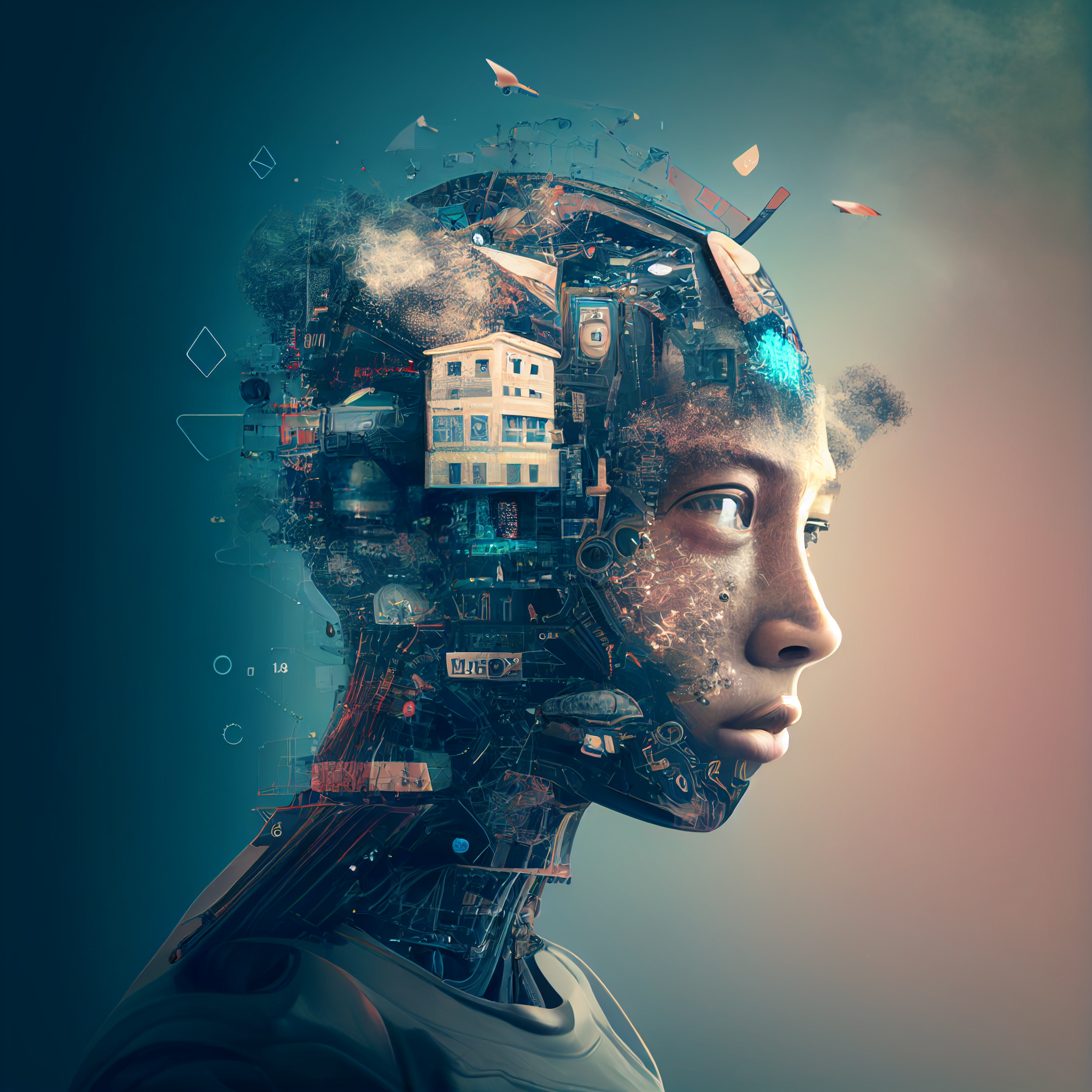
Artificial intelligence (AI) is a technology that is transforming the way we live and work, changing the business and education worlds, but it also poses social, ethical and legal challenges.
According to a report in The Guardian, Australian universities have been forced to change the way they run exams and other assessments amid widespread concern about the ability of ChatGPT –and similar technologies to evade plagiarism-detection software.
Although many professionals are unwilling to admit it, the minority with access to open-source tools uses them to speed up their routine work.
As AI becomes more advanced, academia will need to act as a counterweight, fostering judgment and reasoning skills instead of simply teaching knowledge. Let us remember that both academia and the private sector also have an important role in helping defend the gains of the traditional economy while this technology is adopted.
According to the artificial intelligence industry report from the firm Tabuga, new companies in the sector have cumulatively raised around 188 billion dollars in funding during the years 2015 to 2021.
Microsoft Research AI recently brought together researchers and more than 5.000 computer scientists and engineers to expand the company's artificial intelligence efforts.
The software giant's division plans to invest up to 10.000 million dollars in the artificial intelligence startup OpenAI, the proprietary platform behind ChatGPT, which has previously received investments from Amazon Web Services, Y Combinator, Peter Thiel, Elon Musk, Infosys and Sam Altman.
The debate on AI ethics will be one of the most important topics in the coming years. It is tempting to claim extraordinary abilities that are generated by a computer. It is crucial to consider how we use this technology and how we ensure it is applied responsibly and ethically, since it can be misused, much like the many cases of banned-substance use (doping) in sport.
The exponential adoption of these tools raises a significant problem regarding the originality of content generated in the orange economy sectors. While these tools can be very useful for automating processes and generating content quickly and efficiently, there is also a risk that they will be used to produce content that lacks originality or creativity.
This can hurt the quality of content and the public's perception of the indiscriminate use of AI tools.
At the same time, it can trigger a massive price drop in creative services, which may discourage promotion initiatives such as the National Modern Services Strategy of the Dominican Republic.
Socially, we must ensure that these technological advances are not used to displace existing workers or undermine existing industries. The business ecosystem must work together to find equitable solutions, bearing in mind that these tools must be integrated with caution because of the ethical and legal risks associated with their use.
This is the best time to raise awareness about how Artificial Intelligence technology is affecting the new generations.
We have shared over the years how young people are exposed to a huge amount of information online, what is sometimes called infoxication. This phenomenon can hinder their ability to understand this constantly changing world and, at the same time, affect the development of their professional judgment.
However, this situation also represents an opportunity to foster critical thinking and analytical ability in the new generations.
Let us remember that technology is a tool, but what really matters is the use we make of it.
It is everyone's responsibility, from students to companies, to ensure that Artificial Intelligence is used fairly and for the benefit of all.
___
Published in El Nuevo Diario, January 23, 2023
Distributed by Acento, January 24, 2023
Printed in El Nuevo Diarios, 24 January 2023