Gamified training: benefits and challenges for companies
Gamification is the use of game-like mechanics to motivate a group of users to become fully involved in a particular activity. According to the firm Talent LMS, companies use gamification to motivate their employees and positively influence their engagement and productivity. The 89 percent…
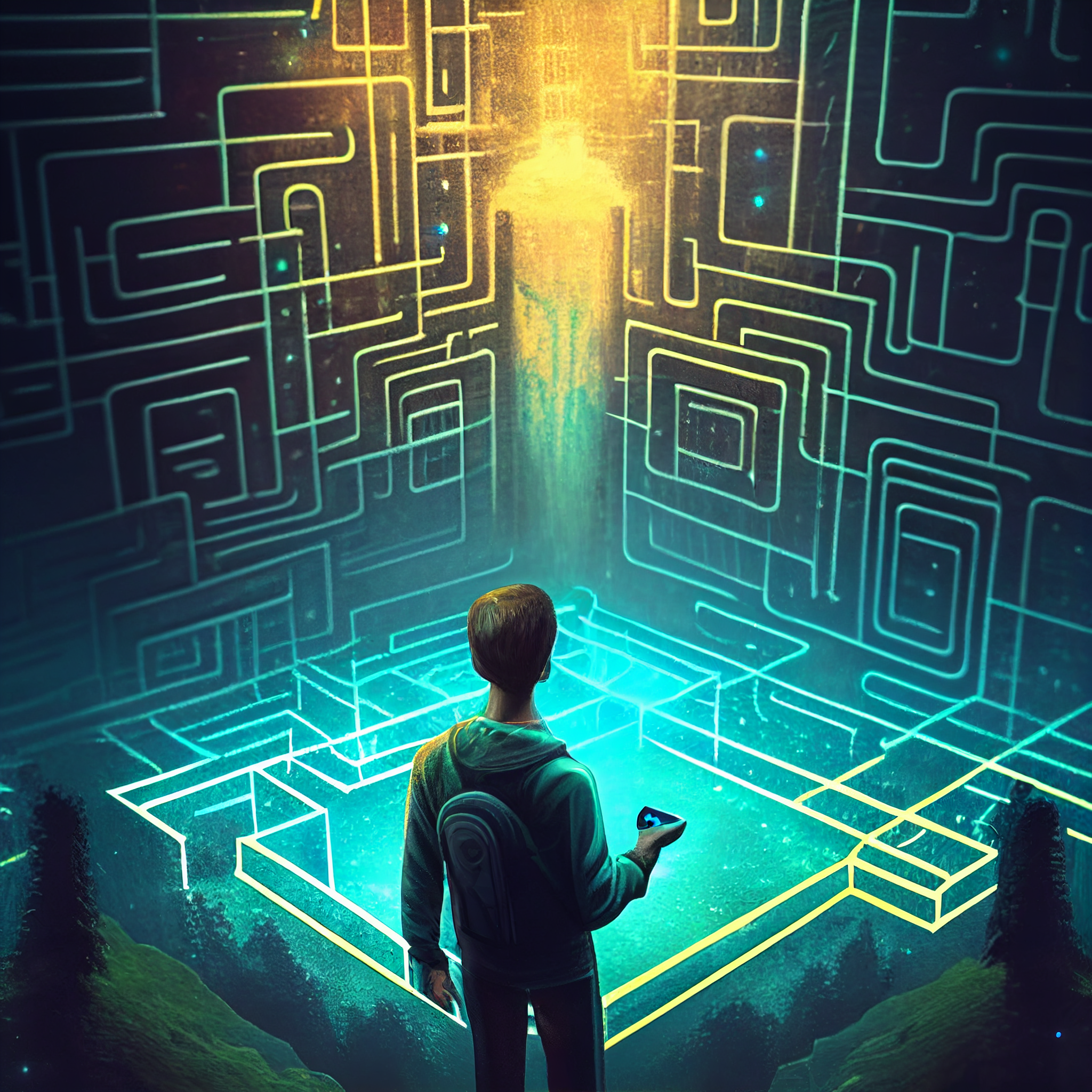
Gamification is the use of game-like mechanics to motivate a group of users to become fully involved in a particular activity.
According to the firm Talent LMS, companies use gamification to motivate their employees and positively influence their engagement and productivity. 89 percent of the employees surveyed in 2019 said they would probably be more productive and get better results if their work were more like a game.
That same year, researchers at Harvard Business School began a study on the consequences and the impact on business performance of ‘gamified training’ experiences. Their results point to benefits for both employees and organizations.
Enabling experiences through internal marketing, companies use gamification to make learning more engaging and enjoyable, producing positive results such as:
- Higher performance,
- greater engagement from employees and leaders,
- more employee motivation,
- increased participation in non-game contexts
- and knowledge retention during training.
According to Tabuga Intelligence, the mobile digital learning market reached 19,5 billion dollars in 2020. Duolingo is the most prominent company in the segment.
Thanks to the availability of tools and design and programming platforms, gamification is increasingly sophisticated. This allows companies to quickly create and implement customized game-based training solutions.
So, how can managers enable gamification in Dominican companies?
- Turn training into missions that employees must complete. Define the goals and objectives to work toward, which can increase motivation and engagement.
- Apply points, badges and rewards to recognize and reinforce learning milestones and achievements. Tap into the desire for feedback, recognition and status.
- Include leaderboards or other ways for employees to compete with each other. This can make training more social and fun, while boosting the motivation of some people. Be careful with this approach so as not to discourage those who are not on the leaderboard.
- Enable multimedia and interactive elements such as video, simulations and puzzles. Make training a more engaging and memorable experience that adapts to different learning styles.
- Give employees options and autonomy throughout their training journey. Let them navigate independently and choose areas of particular interest.
- Organize gamification elements with training objectives. Design with the intention of reinforcing the key lessons and skills you want employees to learn. Aim for a purpose, not just entertainment.
- Provide continuous feedback and opportunities to practice and apply skills. Gamification is an ongoing process, not just a one-off event. Spaced repetition of learning and the chance to apply skills and get feedback are essential to this process.
- Keep gamification elements simple and easy to understand. If the game is too complex, it can distract from learning and undermine it. Simplicity helps keep the focus on the training content.
This growing employee-training trend is currently a 500 million dollar market. It is projected to reach 2,800 million dollars by 2023, according to the firm Market & Markets.
Other estimates of the current market size, from Allied Market Research, put it at 100 million dollars, projected to reach 900 million dollars by 2025.
Some companies–that lead their categories use gamification to train their employees. For example, Cisco created a gamified cybersecurity training program called «Cyber Security Basecamp». Employees have to solve simulated cyberattacks and other challenges, earning points and badges along the way. The best results are recognized on a leaderboard.
Microsoft used the game «Ribbon Hero» to train employees on the features of its Office suite. Coca-Cola created a mobile training game called «Shift» to teach new skills to production-line workers. Workers compete in simulated line-assembly challenges to build skills and earn rewards.
There is a need for continuous skills development at a time when the future of work is evolving rapidly. Gamification makes continuous practice and learning more sustainable and impactful.
Game on.
_____
Published in El Nuevo Diario, February 20, 2023
Syndicated by Acento, February 21, 2023
Printed in El Nuevo Diario, February 21, 2023