Threads, a mirror for Twitter's problems
After several months of speculation, Threads, Meta's direct alternative to Twitter, has finally arrived. The new platform resembles Twitter and lets users create text-based posts of up to 500 characters. Leveraging its existing user base on Instagram, Meta decided to tie Threads closely to Instagram. This…
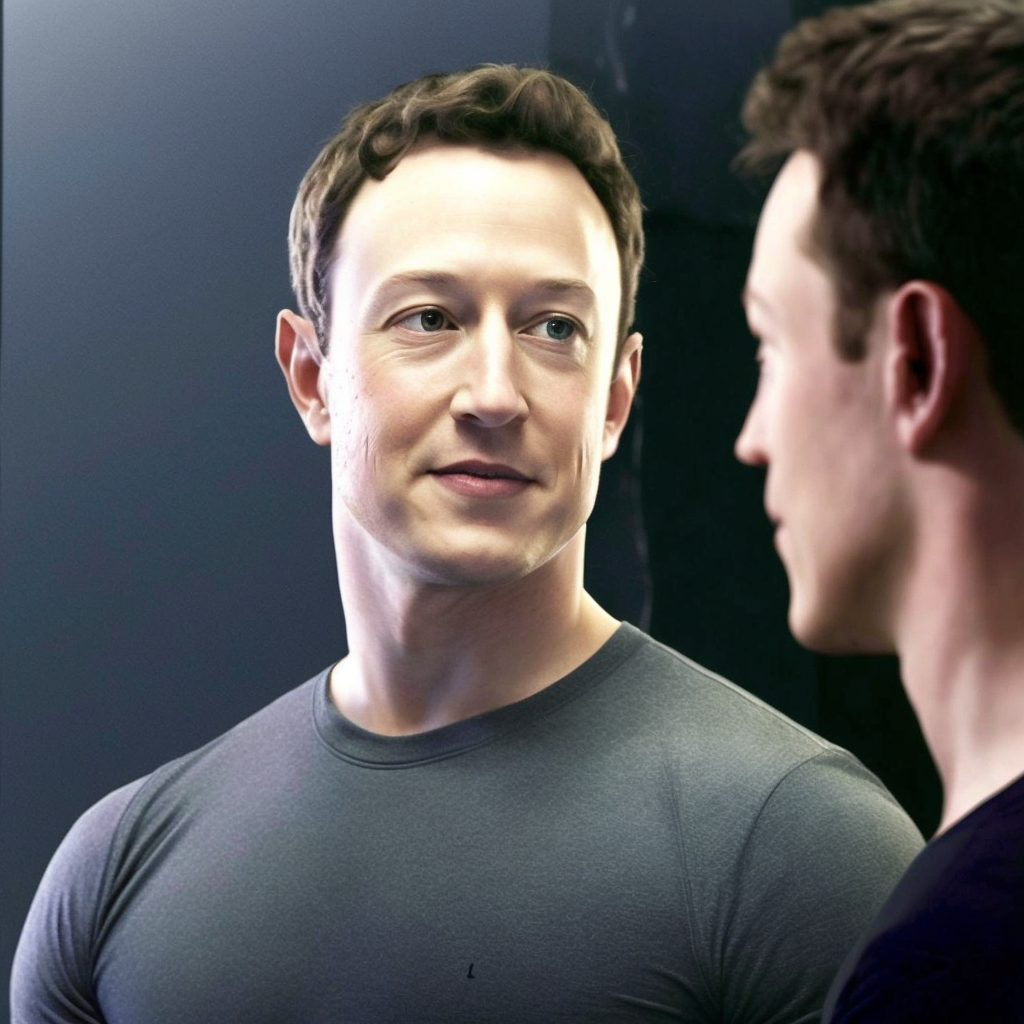
After several months of speculation, Threads, Meta's direct alternative to Twitter, has finally arrived. The new platform resembles Twitter and lets users create text-based posts of up to 500 characters.
Leveraging its existing user base on Instagram, Meta decided to tie Threads closely to Instagram. This lets users sign in with their existing accounts and follow the same people without difficulty.
Threads will not be part of the Instagram app; on Thursday it launched as a new standalone app for iOS and Android.
The app arrives at a time when Twitter is facing challenges. Roughly eight months after Elon Musk completed his 44 billion acquisition, the controversial billionaire, although no longer the company's CEO, remains the public face of the platform in his new role as chief technology officer.
When Twitter imposed a cap on the number of tweets users could read per day over the weekend, it was Musk who communicated and defended the changes to the platform, while the new CEO, Linda Yaccarino, stayed silent. Meta is clearly positioning itself to take advantage of Twitter's moment of weakness, with the aim of attracting dissatisfied users.
Meta is looking to seize the opportunity while Twitter is vulnerable, aiming to attract dissatisfied users. At a team meeting last month, Meta's chief product officer, Chris Cox, told employees that creators and public figures have repeatedly asked for a «responsibly managed» alternative to Twitter, given that earlier clones such as Bluesky and Mastodon failed to achieve mass adoption.
Twitter's problems have led many users to take a break from the platform, although many still find it hard to imagine a future without it. According to the Pew Research Center, 60% of the roughly 3.000 U.S. users surveyed said they had taken a break from Twitter of at least a couple of weeks in the past 12 months, but only 25% of respondents saw themselves not using the platform in a year.
This happened before Threads appeared, which could become the option many users have been longing for. According to Meta CEO Mark Zuckerberg, Threads had already accumulated 10 million sign-ups seven hours after launch, which indicates there is demand for a «responsibly managed» alternative to Twitter.
Let us recall the problems Meta faced in «moderating» political content and the challenges associated with generating silos through the mechanism designed by Cambridge Analytica. Meta seems to have learned its lesson and promises responsible management of conversations and data, which is one more problem for Twitter.
While there is broad consensus among Twitter users that the platform faces significant problems right now, Americans are increasingly divided over what those problems are. According to a Pew Research Center survey conducted in March 2023, there is a partisan gap among Twitter users on the question of what is wrong with the platform.
While roughly two-thirds of Democratic users think inaccurate/misleading information and harassment/abuse are major problems on Twitter, only 37% and 29% of Republican users share this view.
By contrast, Republicans consider Twitter limiting the visibility of certain posts or banning users altogether to be major problems, an opinion few Democratic users share.
Perceptions of Twitter on both sides of the political spectrum have changed significantly since Elon Musk acquired the platform last fall.
The share of Republican or Republican-leaning users who say Twitter is mostly bad for American democracy has fallen from 60% in 2021 to 21% today.
Meanwhile, Democrats' views have shifted in the opposite direction: 35% now say Twitter is mainly harmful to democracy, compared with 28% two years ago.
Locally, Twitter looks like an echo chamber for the political class and the «social» conversations that circulate in its threads. Threads now presents a challenge for local politics: generating real interactions, without bots or targeted-interest accounts, a shift that touches one of the problems Musk has tried unsuccessfully to solve.
Twitter is toxic, and removing that toxicity is literally annihilating the product. Threads is no better, but the promise of its parent company could generate the economic value – Twitter lost – that could sustain the moderation needed to enable «friendly conversations».
Published in Acento, July 11, 2023
https://acento.com.do/amp/opinion/threads-un-espejo-para-los-problemas-de-twitter-9222868.html