Reskilling: renewing the workforce
In an era of constant technological change, the imperative of «reskilling» has never been more vital. As artificial intelligence and other…
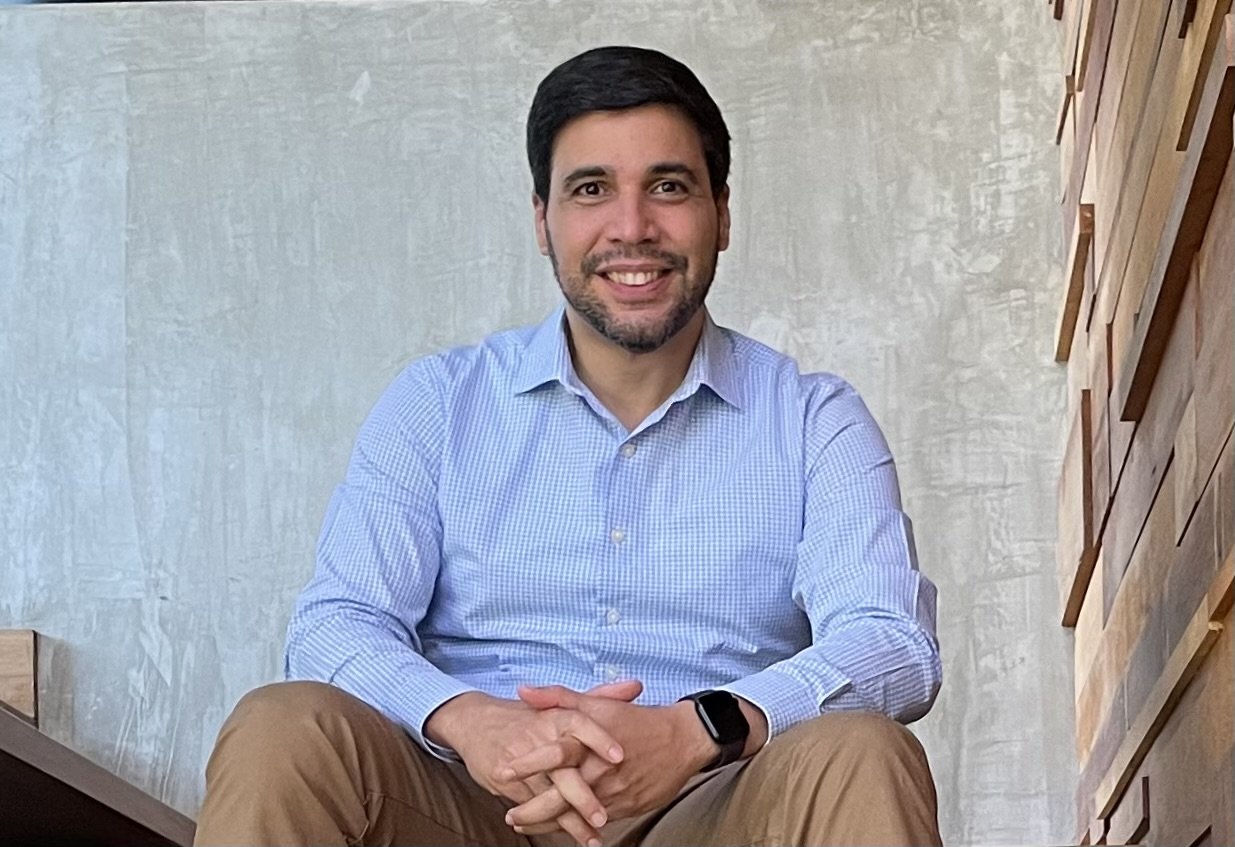
In an era of constant technological change, the imperative of «reskilling» has never been more vital. As artificial intelligence and other disruptive technologies reshape the labor landscape, companies and business leaders must look ahead and adapt through continuous learning.
«Reskilling» is the process of learning new skills or training people to take on a different position. The term is an anglicism that refers to professional retraining or renewal.
According to a forecast by the Organisation for Economic Co-operation and Development (OECD) in 2019, over the next 15 to 20 years, new automation technologies will likely eliminate 14% of the world's jobs and radically transform another 32%, affecting more than a billion people. These numbers, shared in the report «Training in Enterprises: New Evidence from 100 Case Studies», did not include the impact of ChatGPT and the new wave of generative AI that recently took the market by storm.
The authors of the article «Reskilling in the Age of AI», published in the Harvard Business Review, Jorge Tamayo, Leila Doumi, Sagar Goel, and Orsolya Kovács-Ondrejkovic, focus on the need to acquire and put into practice new, systematic ways of learning. Their perspective reflects that reskilling is a change-management initiative.
It requires a systematic reassessment and reshaping of work practices and a change in employee behaviors and attitudes, with solid backing from company leadership. It matters in moving employees through the evolution of their careers.
Nearly 68% of workers recognize the possible disruptions to their current jobs and are willing to make a career change. Companies that offer reskilling opportunities can attract candidates looking for growth and learning.
In analyzing jobs, Boston Consulting Group, in the study «Decoding Global Reskilling and Career Paths», shows considerable realism in people's attitudes toward this important step.
In the jobs facing the greatest risk of replacement by technology, and that suffered the most disruption during the pandemic, willingness to retrain exceeds 70%. That is the share willing to retrain among service-sector workers, customer-service staff, and salespeople.
Those in jobs seen as less vulnerable (science and research, health and medicine, and social work) are generally not as willing to retrain.
Many companies around the world are prioritizing reskilling initiatives in response to the artificial intelligence revolution. According to BCG, only 15% of them have taken concrete steps. These strategies not only prepare the workforce for future roles but can also improve the company's reputation.
The COVID-19 pandemic has posed additional training challenges for companies, particularly by making in-person training harder to deliver, as well as by changing the way many employees work. Fewer employees took part in training programs during the pandemic, according to data from the European Labour Force Survey.
In 2020, 9,5% of employed adults over 27 in the European Union had taken part in education and training in the previous 4 weeks, down from 11,4% in 2019. This was the first drop in a decade, and it pushed participation rates back to 2012 levels.
The OECD highlights several examples of programs focused on digital skills, such as the Digital Europe Programme, the Inventor initiative in Quebec, SkillsUp in Israel, and others such as the CISCO Networking Academy and initiatives in Malaysia and Slovenia. These programs often emphasize cooperation with other organizations to develop digital skills.
The need for digital skills is evolving rapidly, especially after the abrupt shift to digital channels during the COVID-19 pandemic. In the OECD area, there is a significant gap between large and small firms in ICT training for non-ICT professionals.
Digital skills include technical ICT skills and soft skills, such as critical thinking, creativity, and problem-solving. It is also necessary to distinguish the skills required by different types of workers in SMEs.
Business owners must consider that barriers to reskilling are greater for certain groups, such as women and young people, who may face obstacles to their financial and digital inclusion. Facilitating digital training for these groups must be a priority.
The 100 cases presented by the OECD show that many countries are approaching the skills crisis as an opportunity for the digitalization of SMEs. Higher education institutions and private-sector programs play a critical role here, because they can enable SMEs to develop and access digital skills to build a digital, inclusive, and sustainable future.
When programs are set up, we must consider the importance of combining soft skills such as problem-solving, creativity, communication, and teamwork with the development of digital competencies. This can be a key factor in generating positive change, increasing the capacity and competence of companies, and helping workers adapt to today's fast-moving work environment.
The ability to learn and relearn will be the most valuable resource, a skill that is taught and modeled over time. The reskilling revolution is under way, and the world needs leaders and companies committed to supporting people throughout their entire professional careers.
We, the key national actors, must seek to balance technological progress with human growth. It is the best way to produce fair and equitable development.
By: Arturo López Valerio
Originally published in El Nuevo Diario.