Dimensional Computing
Dimensional computing, a revolutionary concept that integrates the user's physical environment with the input and output of digital data in real time, has taken a quantitative and qualitative leap with the recent introduction of Apple's Vision Pro. This device, which marks the company's first major launch since the Apple…
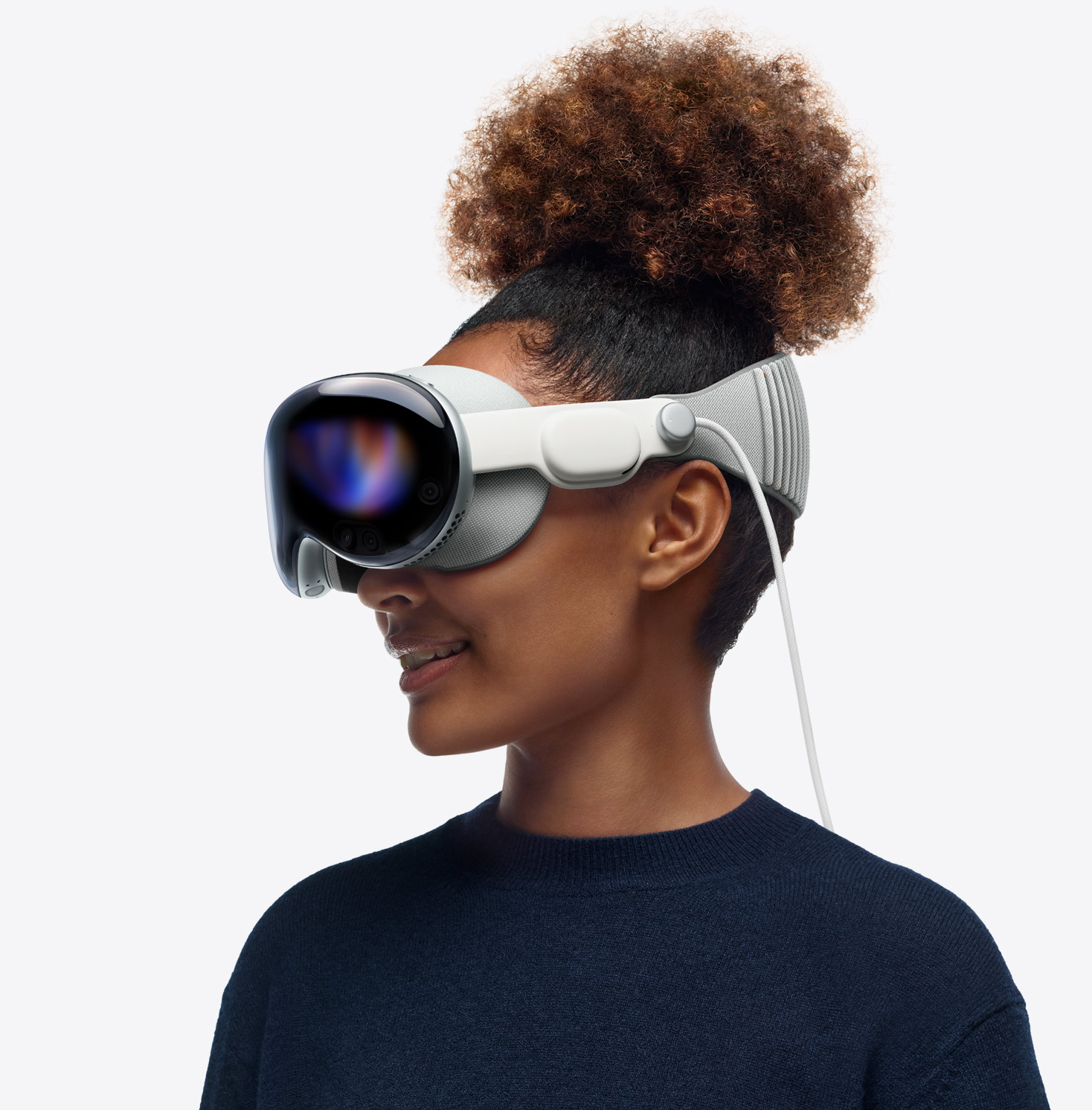
Dimensional computing, a revolutionary concept that integrates the user's physical environment with the input and output of digital data in real time, has taken a quantitative and qualitative leap with the recent introduction of Apple's Vision Pro. This device, the company's first major launch since the Apple Watch nine years ago, marks a milestone in human-machine interaction by fusing physical reality with virtual and augmented elements, creating a shared space where the digital feels as tangible as the physical.
On February 3, 2024, Apple stores in the United States began selling the Vision Pro, a mixed-reality headset priced at 3.499 dollars. The launch represents Apple's ambitious attempt to define the next chapter of life on the Internet, possibly succeeding the smartphone era. Despite its high cost and the mixed reviews that have appeared, which highlight both its innovation and its practical challenges, outlets such as The Verge and The New York Times describe the Vision Pro as an astonishing product, though one with major trade-offs.
The Vision Pro stands out for its cutting-edge image quality, allowing users to interact with floating applications through gaze and hand gestures, offering an immersive experience without precedent. However, critics point to limitations such as weight, the need for an external battery and some discomfort when wearing them. Even so, Apple does not describe them as a virtual reality device, but as a foray into «spatial computing» –I prefer to call it “dimensional computing”, emphasizing its vision of unifying the physical and digital worlds.
With 600 applications and games designed specifically for the Vision Pro and the backing of Disney's 3D content, the launch underscores Apple's confidence in its product. However, the absence of app adaptations from Netflix, Spotify and Google reflects caution in the tech ecosystem. Despite the criticism and challenges, sales expectations are optimistic, with Wedbush Securities projecting about 600.000 units sold in 2024.
This launch not only reaffirms Apple's commitment to innovation in dimensional computing, but also raises questions about the future of this technology. Will the Vision Pro be able to change the rules of the game in a market that has seen both successes and failures in augmented and virtual reality?
The answer to that question will reveal itself in time, but what is indisputable is that Apple is marking a before and an after in how we conceive of and interact with technology.
Dimensional computing is redefining the interaction between the human and the digital, merging our realities to transform the way we live, learn and work.
With the launch of the Vision Pro, Apple not only ventures into new technological territory, but also challenges the perception and application of mixed, virtual and augmented reality, reaffirming its role as a pioneer in digital innovation.