World's bet ‘and digital identity in the Dominican Republic’
The digital age has posed unprecedented challenges for identity verification and user privacy online, especially at a time when artificial intelligence ((AI)) and automation are advancing at great speed. A recent example of innovation in this field is the initiative of World, formerly known as Worldcoin,…
The digital age has posed unprecedented challenges for identity verification and user privacy online, especially at a time when artificial intelligence (AI) and automation are advancing at great speed.
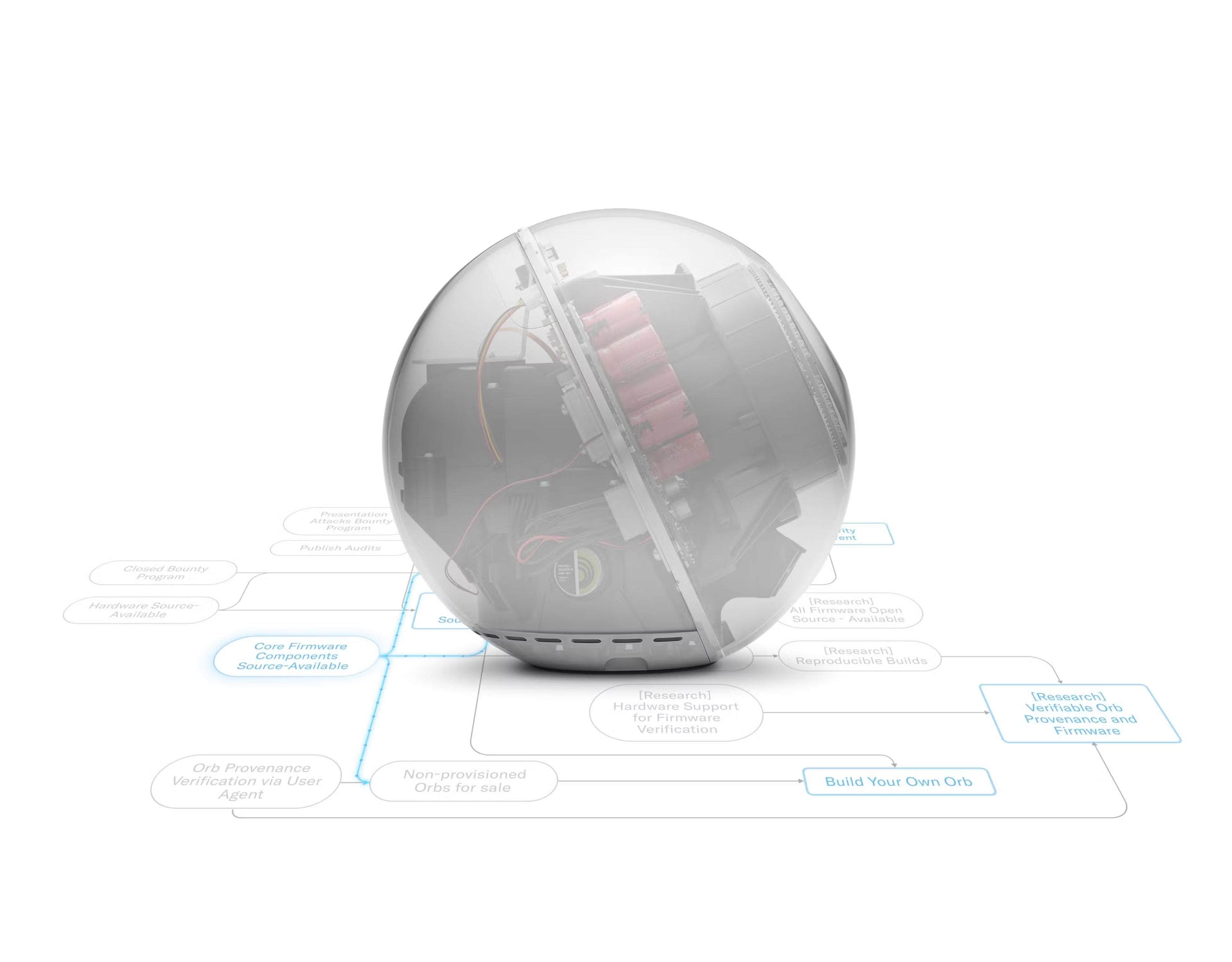
A recent example of innovation in this field is the initiative from World, formerly known as Worldcoin, co-founded by Sam Altman, CEO of OpenAI. The project has introduced a device known as the Orb, a tool designed to verify human identity by scanning the iris.
The Orb offers a solution that seeks to tell humans apart from machines in an environment where the proliferation of AI makes it increasingly difficult to distinguish between the two.
Through an eye scan, the device assigns a World ID to each user, providing a secure way to prove a person's humanity in the digital space. This identification is linked to WLD, the company's cryptographic token, although it is not available in the United States market.
In the Dominican Republic, the expansion of this technology is already a reality. In Santo Domingo, Orb devices are available at two strategic locations: Plaza Central and Wagmi Acrópolis Business Center.
The introduction of this technology in the country is a sign of growing interest in tools that combine identity verification and digital innovation.
Digital resilience and privacy: a necessary balance
Despite its potential, World has faced significant criticism over the privacy of biometric data. Countries such as Kenya and Hong Kong have suspended or temporarily halted the use of the Orb, citing concerns about data collection and user privacy.
These cases underline the importance of balancing technological innovation with privacy protection, a topic that has been central to the global conversation on AI and personal data.
In the Dominican context, where digitalization and the adoption of new technologies have been a focus of interest since the pandemic, the challenge is to ensure that these innovations do not compromise the security of citizens' data.
As we pointed out last year, digital immunity is essential to increase resilience against technological risks, integrating practices such as constant monitoring and software supply chain security.
The local experience with the growth of digital education and the adoption of technology platforms shows the importance of a robust and secure digital infrastructure.
The Dominican Republic has seen an increase in the use of social networks and learning platforms, which in turn has revealed new gaps in connectivity and access to quality content. This growth raises the need for public policies that not only drive digitalization but also guarantee privacy and the protection of personal data.
Challenges for local adoption
The arrival of technologies like the Orb may be a catalyst for accelerating digital identity in the country, an aspect aligned with the digital transformation initiatives that seek to increase efficiency and security in digital services.
Even so, it is crucial to address citizens' concerns about the privacy of their data and to ensure that new technologies are adopted in a transparent and ethical way.
A few weeks ago we spoke with Miguel Rocha, regional director for Mexico and Central America at Tools for Humanity, who told us about the security of the Orb technology.
The experience of other countries and the reaction of Dominican civil society indicate that trust in these tools will depend on transparency in data handling and on how clearly the benefits and risks of this technology are communicated.
Let's innovate responsibly
The deployment of devices like the Orb in the Dominican Republic represents a significant opportunity to advance digitalization and improve identity verification in the age of AI.
At the same time, it highlights the need for a balanced approach that prioritizes the security and privacy of user data. Lessons from other markets underline the importance of establishing a solid regulatory framework that ensures technological progress is aligned with citizens' rights.
The Dominican Republic must keep working on a strategy that combines innovation with privacy protection, ensuring that the benefits of digital technology are accessible to everyone, without undermining users' trust in the system.
In this sense, digital resilience and immunity against cyber threats must be an integral part of any technology development plan going forward.