The dilemma over protecting consumers' biometric data
Privacy in the digital age faces one of its greatest challenges with the rise of biometric technologies. In the Dominican Republic, the use of biometric data is no longer new. Several systems that integrate this technology operate in the country: from mobile devices running Android, iOS and VisionOS to financial applications and…
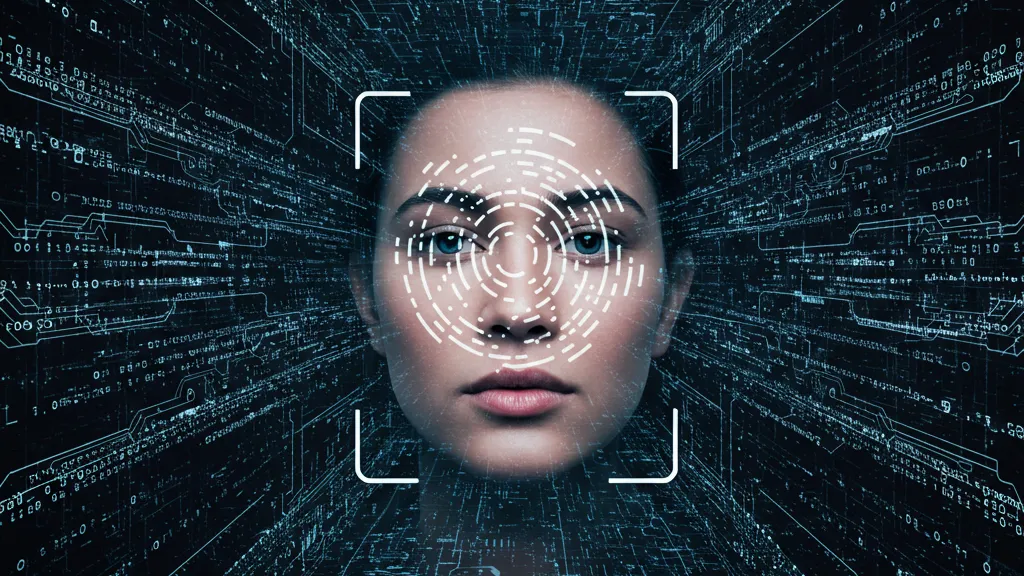
Privacy in the digital age faces one of its greatest challenges with the rise of biometric technologies. In the Dominican Republic, the use of biometric data is no longer a novelty.
Several systems that integrate this technology operate in the country: from mobile devices running Android, iOS and VisionOS to financial and cryptographic applications such as Worldcoin, which promises a digital identity based on iris recognition through its Orb device. Given this technological context, an essential question arises: are we prepared, as a country, to protect citizens' sensitive data?
But access to this data, the lack of education about how it is handled and the insufficiency of specific regulations leave us exposed. Recently, as part of a journalistic investigation, Nuria Piera asked us about the impact of this technology. In response, I said:
“I think the main risk here is the lack of information, in general, about identification instruments (…). A user who goes to register their iris without really knowing what it will be used for is currently the main subject at risk, and that has nothing to do with the technology.”
This comment highlights an urgent problem: the information vacuum is as great a risk as the misuse of the technology. Yesterday we addressed this concern on the program 12y2 with Karina Larrauri.
The silent capture of biometric data
In everyday life, applications and devices collect biometric data to unlock screens, make transactions and monitor health. However, transparency about how this data is processed and stored remains limited.
Worldcoin's Orb device, present at strategic points in the country such as Plaza Central and Wagmi Acrópolis Business Center, exemplifies this challenge. By scanning the iris, it generates a unique digital identity linked to a cryptographic token. Although it promises efficiency and security, it also raises concerns about privacy and the risks of mishandling sensitive biometric data.
Regulation and ethical responsibility
Against this backdrop, the country has some initial regulatory tools, such as Circular SB: No. 017/22, which sets guidelines for the handling of biometric data in the financial sector. These guidelines include:
- Informed consent: Ensuring that users understand why their data is being collected.
- Specific purpose: Limiting the use of data to its original purpose.
- Data security: Preventing unauthorized access through technical and organizational measures.
It should be noted that the arrival of emerging technologies such as the Orb underscores the need to update and expand these guidelines to cover global applications and digital platforms.
The exclusivity of the Central Electoral Board (JCE) over the management of civil biometric data, established by the Ley Orgánica de los Actos del Estado Civil No. 4-23, also requires better coordination around the gap this same law has, since the law limits the use of civil biometric data specifically to capture, storage and identification purposes.
The Orb transmits the iris information and a token that is meant to confirm whether the user present, who has given permission for the scan, is human or not. Dominican law is still far from reaching that global scenario: organic and artificial identity.
Author Yuval Noah Harari puts it well in his recent book «Nexus», where he addresses the future dilemma of artificial intelligence entities that can operate as human entities because the figure of the «legal entity» has been in place since before the twentieth century. That is, an AI could be constituted as a legal entity, finding a way through all existing regulations.
International context: a lesson for the country
Nuria Piera's investigation showed how countries such as Spain have taken restrictive measures against similar technologies, demonstrating the importance of rigorous scrutiny.
This international approach should inspire the Dominican Republic to establish a comprehensive regulatory framework that combines the best global practices with local needs. In the end, the report leads us to reflect on the need for transparency when implementing these technologies in a market.
Understanding that technological progress should not be an antagonist of privacy, we must work to strike a balance. To achieve it, we propose three key areas:
- Public education on digital rights: Citizens must understand how and why their data is collected.
- Independent audits: Certify compliance with security and privacy standards in biometric technologies.
- International collaboration: Establish alliances to adopt global standards adapted to the Dominican context.
Responsibility lies not only with the government and companies, but also with citizens, who must demand greater transparency and oversight.
Building trust
For the Dominican Republic to adopt these technologies responsibly —a necessary element of modern business sustainability— it is essential to build an ecosystem of trust in which innovation does not compromise citizens' rights.
This effort requires the participation of all stakeholders:
- The public sector, ensuring that laws evolve to address emerging challenges.
- The private sector, adopting self-regulation and transparency measures.
- Civil society, as a watchful actor and promoter of digital education.
In the article “The bet on ‘World’ and digital identity in the Dominican Republic”, we explored the need for a strategy that integrates digital resilience and data protection. This view is even more relevant today, as we look for a balance between innovation and privacy.
This approach remains crucial to move forward in an environment where technology and privacy are not opposing concepts.
Acting on the dilemma
The biometric data dilemma is not only technical but ethical. It is time for the Dominican Republic to prioritize the creation of specific regulations that protect consumers from the misuse of their biometric information.
But this cannot be done in isolation: we need active digital oversight, driven by citizens who are aware of and committed to their right to privacy.
Technology offers a path toward progress, but that path will only be safe if it comes with adequate oversight, informed education and an ethical commitment from all actors.
In a country where digitalization remains a key driver of development, protecting citizens' digital rights is not only a legal duty but a collective responsibility.