My experience with DeepSeek and its contemporaries
In the dynamic world of artificial intelligence, I had the chance to run a fascinating exercise: analyzing how different language models approach self-assessment and market positioning. The experience began with DeepSeek-V3 and was enriched by the perspectives of ChatGPT, Claude, and Grok, revealing the distinct personalities and approaches of each…
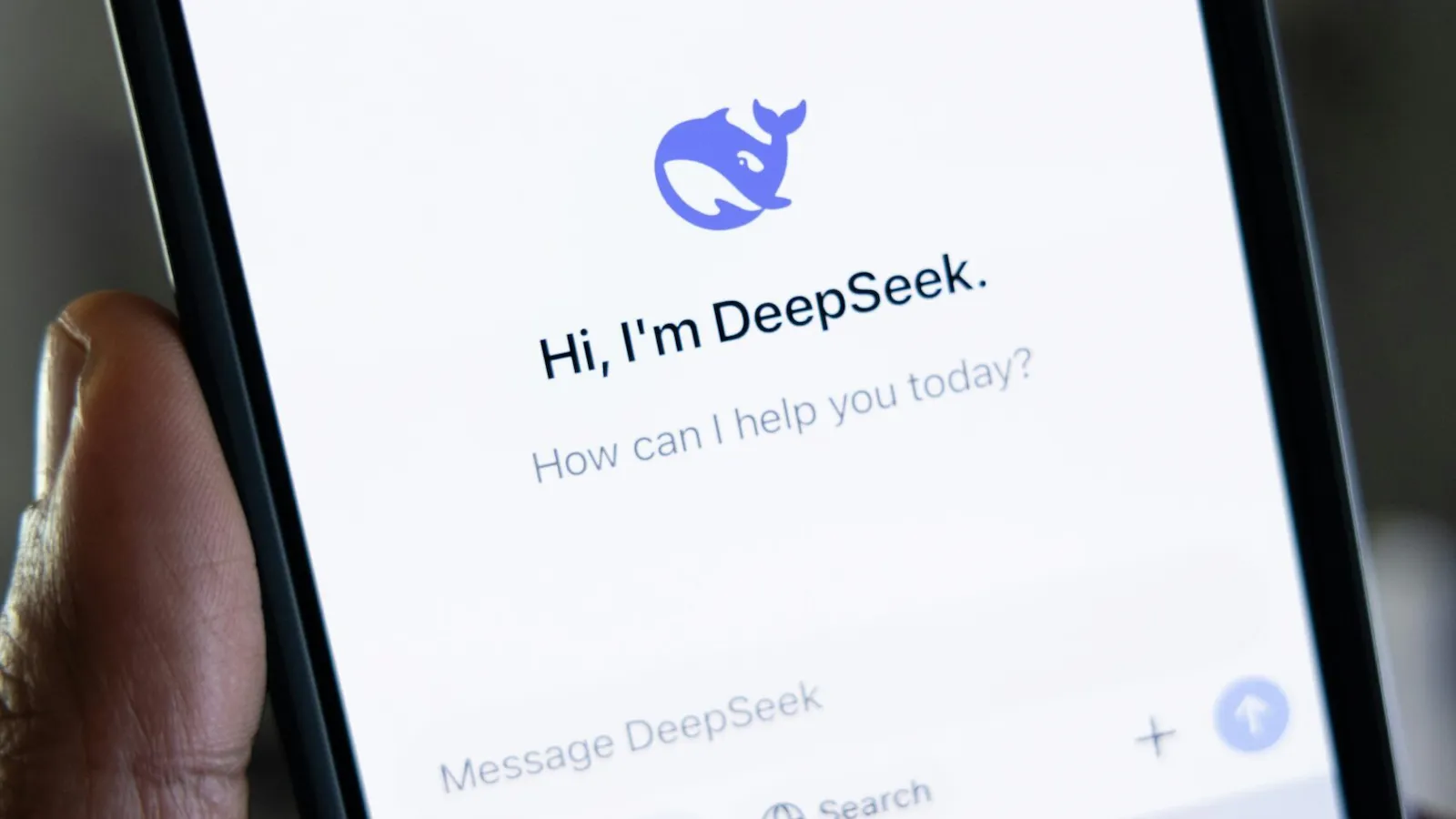
In the dynamic world of artificial intelligence, I had the chance to run a fascinating exercise: analyzing how different language models approach self-assessment and market positioning.
This experience began with DeepSeek-V3 and was enriched by the perspectives of ChatGPT, Claude, and Grok, revealing the distinct personalities and approaches of each model.
What is DeepSeek?
DeepSeek is a Chinese artificial intelligence model that is making a big impact in both Silicon Valley and the financial markets. Designed by a startup in Hangzhou, it has become one of the most downloaded mobile apps thanks to its versatility and performance, which is comparable to that of major competitors such as ChatGPT.
Its features include writing song lyrics, solving complex math problems and suggesting recipes based on the ingredients available, all with multilingual capabilities, although it specializes in English and Chinese. Despite its strengths, it still avoids answering politically sensitive questions, something common in Chinese AI models.
What makes it unique is its «open source» approach: its code is available for anyone to study or modify, which sets it apart from more closed U.S. models. Its low development budget is also striking, barely 5,6 million dollars, compared with the multimillion-dollar investments of its competitors.
The starting point: DeepSeek-V3
My first encounter was with DeepSeek-V3, which presented itself as a model specialized in efficiency and precision for technical tasks. What caught my attention was its honesty in acknowledging its time limitations (data up to July 2024) and its clarity in defining its market niche.
DeepSeek did not try to position itself as an all-powerful model. Instead, it emphasized its specific strengths in data analysis and solving structured problems.
ChatGPT's strategic perspective
ChatGPT's contribution added a fascinating layer of strategic analysis. Rather than simply accepting DeepSeek's claims, it proposed a more rigorous evaluation framework, suggesting the need for:
- Concrete benchmark data to back up performance claims
- Clear comparative metrics on costs and processing times
- Specific use cases in key sectors
- Greater transparency in its decision-making processes
This critical but constructive approach showed ChatGPT's ability to think in terms of market strategy and competitive differentiation.
Claude's ethical turn
Claude's response was particularly interesting for its distinctive ethical approach. Rather than engaging in direct comparisons, Claude chose to maintain its integrity by focusing on the user's needs.
This stance not only reflected its ethical programming, but also showed how an AI model can hold to its principles without compromising its usefulness.
Grok's human perspective
Grok brought a unique element to the conversation: a mix of technical analysis with a touch of personality. Its assessment covered not only the technical capabilities of each model, but also how they relate to human needs. Grok's emphasis on transparency and the ability to explain added an important dimension to the discussion.
The evolution of the conversation
The most fascinating part was watching the conversation evolve from a simple technical comparison into a richer dialogue about the role of different AI models in society.
DeepSeek showed adaptability, incorporating suggestions for improvement into its narrative. ChatGPT kept a consistent strategic approach. Claude showed how ethics can be a guide in technological development. And Grok helped put everything in context from a more human perspective.
Lessons learned
This exercise revealed several important lessons about the current state of AI:
- Specialization is as valuable as versatility. DeepSeek showed that there is room in the market for specialized models alongside generalist ones.
- Transparency and hard data are essential. ChatGPT's suggestion about the need for benchmarks reflects a growing demand for responsible use of AI.
- Ethics should not come second to functionality. Claude's approach shows that it is possible to hold firm ethical principles without sacrificing usefulness.
- Personality and technical capability are not mutually exclusive. Grok showed that AI models can be technically competent while keeping a human touch.
A holistic view
This experience showed that today's AI ecosystem is not a battlefield where only one can prevail, but a diverse space where different approaches can coexist and complement each other. Each model contributes something unique: DeepSeek its technical precision, ChatGPT its strategic vision, Claude its unwavering ethics, and Grok its humanized perspective.
DeepSeek is not only accelerating the artificial intelligence race, it is also setting off a tectonic shift in the global technology industry.
The future of AI does not seem to lie in the dominance of a single supreme model, but in the coexistence of different specialized models that, together, can better meet the diversity of human needs. This diversity is not only beneficial but necessary for the healthy and ethical development of artificial intelligence.