The Global Metallurgical Landscape in the Digital Age
Amid an accelerating global digital transformation, the recent proposal for tariffs by 25% on steel and aluminum imports into the United States reveals a complex intersection between traditional trade policy and industrial modernization. This development deserves close analysis that considers both the technological implications and the emerging geopolitical dynamics. The…
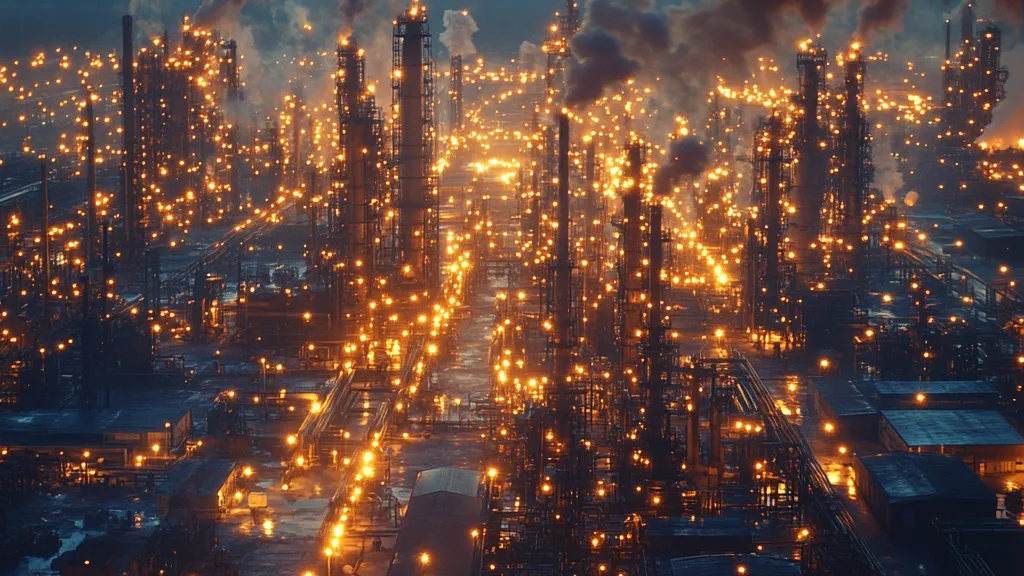
In the context of an accelerating global digital transformation, the recent proposal for tariffs by 25% on steel and aluminum imports into the United States reveals a complex intersection between traditional trade policy and industrial modernization. This development deserves a thorough analysis that considers both the technological implications and the emerging geopolitical dynamics.
The market's immediate reaction, evidenced by the 8% increase in Nucor's shares, reflects not only confidence in traditional protectionist measures but also recognition of these companies' technological leadership in advanced manufacturing. The U.S. steel industry has invested significantly in automation, data analytics and Industry 4.0 technologies, positioning itself strategically in the global value chain.
The picture becomes more complex when we consider China's role in the global market. With a production of 990 million metric tons of steel, more than twelve times U.S. output, China not only dominates in volume but is redefining production paradigms through the massive integration of advanced technologies and predictive analytics. This transformation reflects an industrial modernization strategy that goes beyond sheer productive scale, setting new standards in the convergence of manufacturing and digitalization.
The consequences for traditional trade partners such as Canada and Mexico, which, according to data from Tabuga Intelligence, export US$11,200 million and US$6,500 million in steel respectively, go beyond ordinary trade. These nations have developed digital ecosystems integrated into their supply chains, creating technological interdependencies that complicate the implementation of traditional trade barriers.
The competitive pressure on global prices, traditionally attributed to low-cost Chinese production, reveals a more sophisticated reality: we are witnessing a digital revolution in the metalworking industry. Leading companies are implementing:
- Artificial intelligence systems that optimize processes and predict market trends
- Industrial IoT networks that allow real-time monitoring and adjustments
- Advanced analytics platforms that revolutionize predictive maintenance
- Robotic automation systems that redefine production efficiency
In this context, tariff measures should be assessed not only as trade policy instruments but as potential catalysts for digital transformation in the manufacturing industry. Temporary protection could provide the space companies need to accelerate their investments in digitalization and technological modernization.
That said, we understand that this transformation requires a holistic approach that every actor in the value chain must consider:
- Developing digital capabilities in the workforce
- Investing in critical technological infrastructure
- Creating regulatory frameworks that foster innovation
- Establishing international collaborations in research and development
The evolution of the metalworking sector goes beyond mere technology adoption; it represents a paradigm shift in global industrial competitiveness.
The question is no longer whether future trade policies will have to balance industrial protection with technological innovation, but how to structure that balance in a world where digital borders are increasingly more diffuse than geographic ones.