The current digital ecosystem: apps, AI and the fight for relevance
The app market keeps evolving, marked by large tech companies moving into niches that small developers used to dominate. A recent example is the launch…
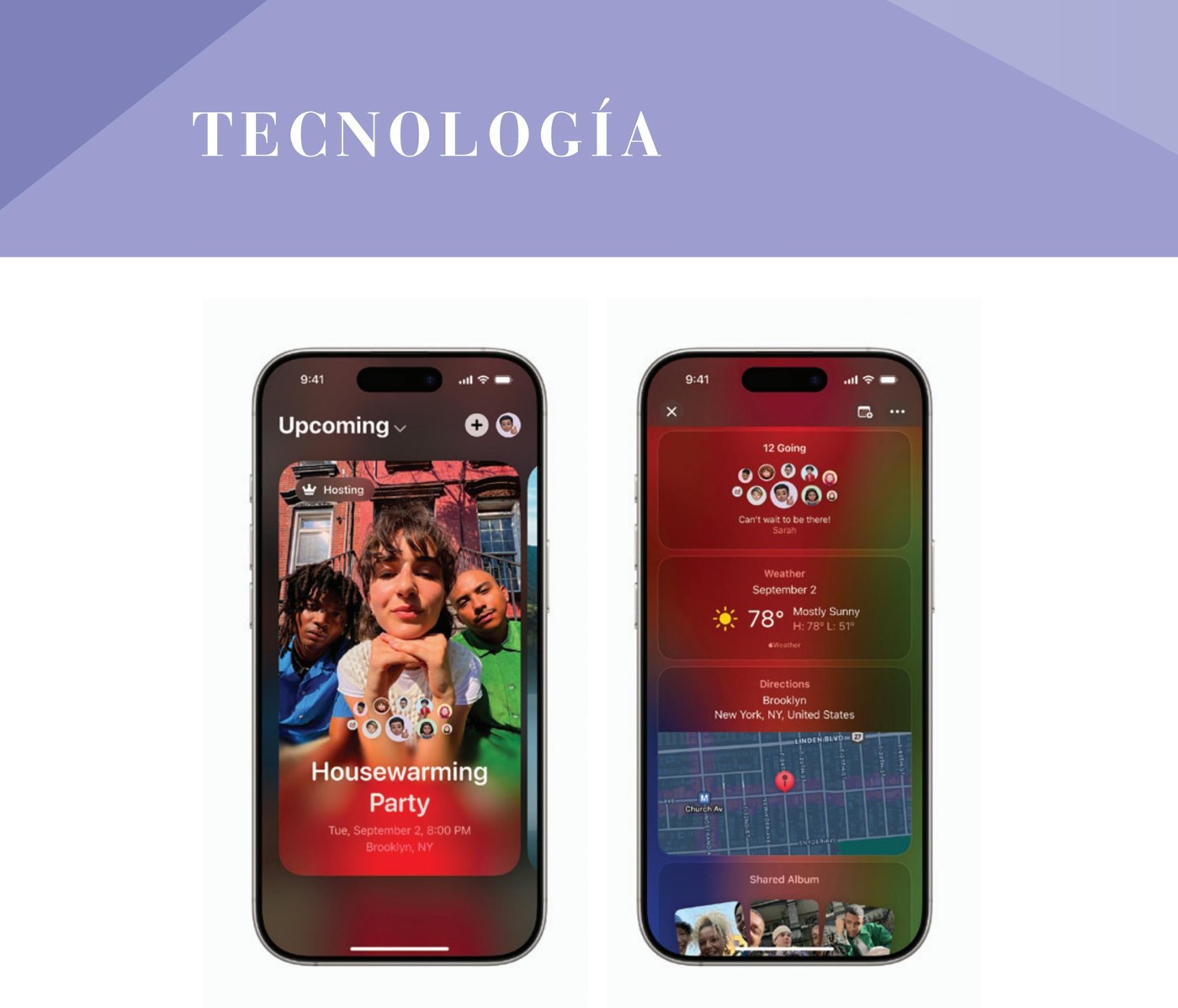
The app market keeps evolving, marked by big tech companies moving into niches once dominated by small developers. A recent example is the launch of Apple Invites, Apple's new app for managing events and RSVPs, which challenges emerging platforms such as Partiful.
Apple is not the only one reshaping the digital ecosystem. Artificial intelligence has transformed competition in the app sector, with DeepSeek as a free alternative to ChatGPT, a clear challenge to OpenAI's paid model.
The data also back these trends: in January 2025 the download and monetization figures in the App Store offer a clear view of where the digital ecosystem is heading. From TikTok's dominance to the rise of streaming platforms, the market keeps changing at a fast pace.
Apple Invites: revolution or strategy to consolidate its dominance?
The recent launch of Apple Invites has made a big impact. In just five days it reached 1.3 million downloads, according to data compiled by Tabuga Intelligence. The app ranked number 1 in the US App Store. This shows that Apple is not just experimenting in this segment, but betting on an app integrated into its ecosystem.
This move into event management is not entirely new. Partiful, a startup —that has been in the market since 2023—, has reached 1.5 million global downloads with a similar offering. Apple's arrival in this niche has revived the debate over “sherlocking”, a term used when a large company launches a product similar to an existing one, using its user base and infrastructure to push out smaller competitors.
Is Partiful at risk, or can it benefit?
Unlike other startups that were displaced after Apple's entry, Partiful still has opportunities to capitalize on the situation:
- Feature differentiation: Apple usually launches products with basic features in their first versions. Partiful can use this to offer more customization and compatibility with other platforms.
- Cross-platform positioning: because Apple Invites is exclusive to the Apple ecosystem, it leaves a gap on Android, a niche Partiful can exploit.
- Market effect: Apple's entry has drawn more attention to event management apps. This may boost Partiful's downloads, and it could position itself as an alternative for those looking for a different experience.
For developers, this case offers a key lesson: if your app depends on collaboration and virality, it must be available on all platforms as soon as possible.
The battle for artificial intelligence: DeepSeek vs. ChatGPT
The artificial intelligence market remains the most important battleground in the tech industry. In this space DeepSeek has burst in forcefully, reaching 2 million downloads in record time and positioning itself as a free alternative to ChatGPT.
Although free AI has the potential to attract users quickly, quality and trust remain key factors for mass adoption.
How do users perceive DeepSeek and ChatGPT?
An analysis of user ratings reveals a fascinating picture:
- DeepSeek has received 83 % positive reviews, and stands out for its ease of use (20 %) and response speed (20 %).
- ChatGPT, although paid, keeps a higher rating of 89 % and is recognized for its helpfulness (36 %) and creativity (17 %).
Challenges of each model
DeepSeek faces a critical problem: concerns about privacy and censorship. As a product of Chinese origin, 37 % of its negative reviews mention worries about data handling and the possibility of restrictions on certain topics. ChatGPT, by contrast, suffers from the impact of its paid model. In January, 30% of the negative reviews pointed to the high cost of its premium plans, which has led some users to migrate to free options.
Despite the competition, ChatGPT keeps growing: its revenue rose 22 % in January, with US$67 million in net revenue. This confirms that many users are willing to pay for reliable, high-quality AI services.
What defines success in AI?
Beyond being free, companies competing in the artificial intelligence sector must focus on three fundamental pillars:
- Quality and usefulness: AI must offer tangible value to the user.
- Transparency and trust: privacy and ethics in data management will be decisive factors in consumer choice.
- Business model sustainability: a free service without a clear monetization strategy can become unsustainable in the long run.
The fight between DeepSeek and ChatGPT is only the beginning of a war over perception and user loyalty in the AI sector.
App Store trends in January 2025
The download and monetization figures for January 2025 reveal important shifts in the digital ecosystem:
- TikTok remains the most downloaded app with 49 million downloads, ahead of Instagram. Its net revenue fell 22% to US$262 million, possibly because of the restrictions in the United States.
- Streaming platforms such as YouTube and Disney+ held their positions in revenue, while Max (formerly HBO Max) reached a milestone with US$100 million in revenue, joining the club of apps with nine-figure revenue.
These data reflect a change in market dynamics: although social networks still dominate in downloads, premium content platforms are gaining ground in monetization.
A look at the future of apps
The digital ecosystem in 2025 will be even more dynamic and competitive. To adapt and survive, companies must take these key points into account:
- The app market is more volatile than ever. What is trending today may be obsolete tomorrow. The key is to innovate constantly.
- Apple keeps expanding its ecosystem, but that does not mean the end of startups. Those that know how to take advantage of the visibility Apple generates may even benefit.
- AI is the key battleground. Although free models can challenge paid ones, trust and quality remain decisive for users.
For entrepreneurs and developers, the message is clear: launching a good product is not enough; you have to keep evolving. We are at a point where quality, trust and the ability to monetize are starting to weigh more than sheer user volume.
When disruption is the norm in an environment, the ability to adapt is the only guarantee of survival.
Originally published in Revista Bohío 241 (Bohío 241), Ediciones Cabrer.