The Digital Courtesy Dilemma
As artificial intelligence becomes integrated with surprising ease into our daily routines, unexpected questions are beginning to emerge about how we interact with these technologies. Does it make sense to apply human norms of courtesy to machines? What does this seemingly harmless gesture imply? These questions, which might seem anecdotal, have…
As artificial intelligence becomes integrated with surprising ease into our daily routines, unexpected questions are starting to emerge about how we interact with these technologies.
Does it make sense to apply human rules of courtesy to machines? What are the implications of this seemingly harmless gesture?
These questions, which might seem anecdotal, have taken on a new dimension after a striking revelation from Sam Altman, CEO of OpenAI.
According to Sam Altman, CEO of OpenAI, the company spends “tens of millions of dollars” in additional electricity simply because users say “please” and “thank you” to ChatGPT—words that lengthen queries and, consequently, increase the computational processing required.
Altman's revelation about the substantial economic impact of being polite to AI systems invites us to reflect on the intersection of human behavior, technology and sustainability.
This situation illustrates a fascinating paradox of our digital era: our human social instincts, carried over into interaction with machines, produce significant material consequences. 67% of U.S. users report being polite to chatbots, with 18% admitting they do so as a precaution against a hypothetical «AI uprising»—a concern that reveals both our cultural anxieties and our tendency to anthropomorphize technology.
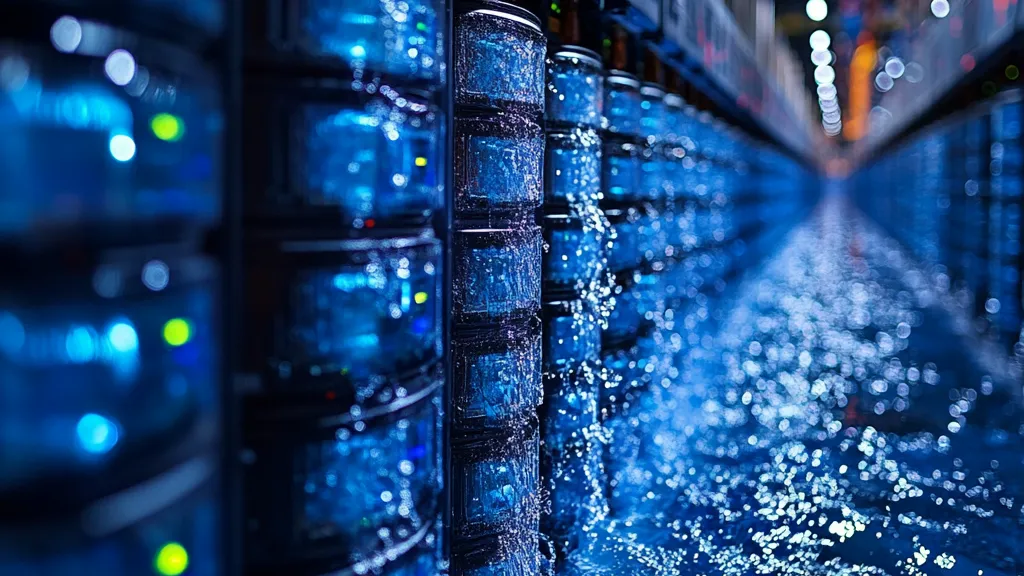
The environmental footprint of these interactions is considerable. ChatGPT queries consume ten times more energy than a conventional Google search. Each short «You're welcome» response requires between 40 and 50 milliliters of water to cool servers—a resource that is increasingly valuable in a world affected by climate change. At global scale, with 500 million weekly users, these costs grow exponentially.
This reality puts us before an ethical dilemma: should we prioritize energy efficiency over communication patterns we consider fundamental to our humanity? Or is there an intrinsic value in keeping these codes of courtesy even in non-human interactions?
The phenomenon raises broader questions about how we design and relate to technology. While Microsoft's design director, Kurtis Beavers, points to the functional value of politeness in setting the tone of the AI's response, we should ask whether we are building systems that inadvertently reinforce behaviors that are inefficient from an energy standpoint.
The challenge is to develop interfaces that preserve the human experience of respect and reciprocity without the associated energy cost—systems that recognize our need for courtesy but do not require additional processing to interpret it.
For OpenAI, with its recent valuation of 300 billion dollars, these «millions well spent» (according to Altman) can be considered an investment in user experience. However, as AI becomes more deeply integrated into our daily lives, we need to critically assess every aspect of this relationship—even those as seemingly trivial as a «thank you».
The dilemma of digital courtesy exemplifies the fundamental challenge of our technological era: balancing innovation with sustainability, and efficiency with the human values that define our shared social experience.